Put three boards on a table.
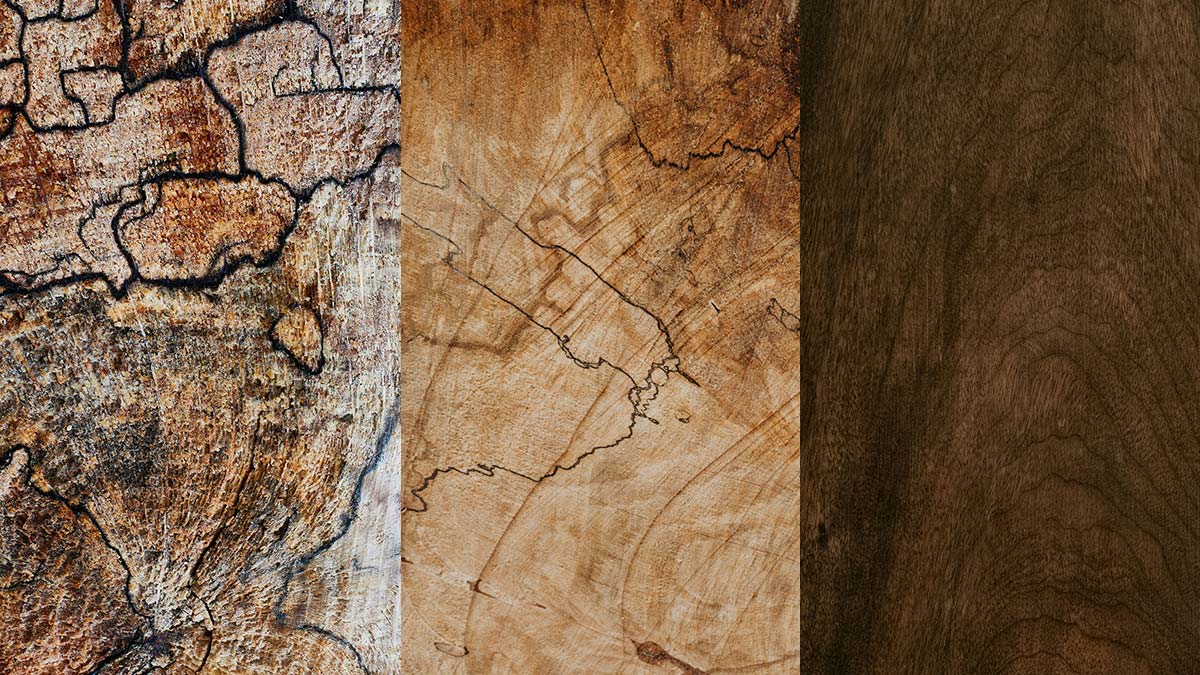
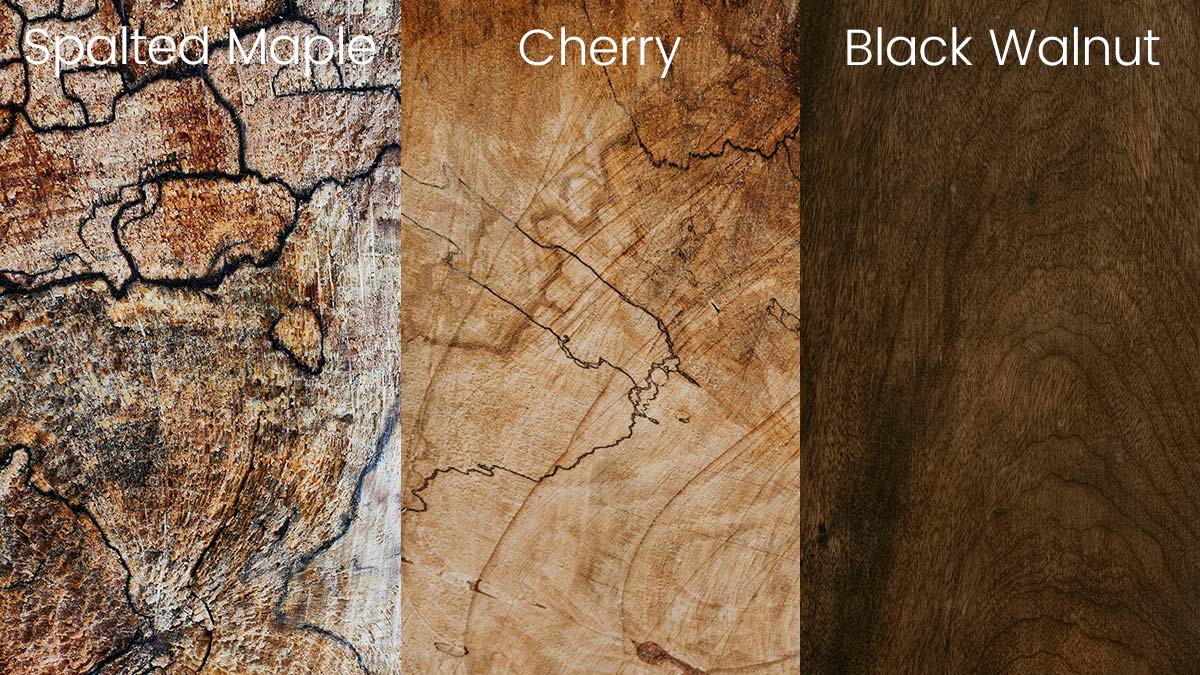
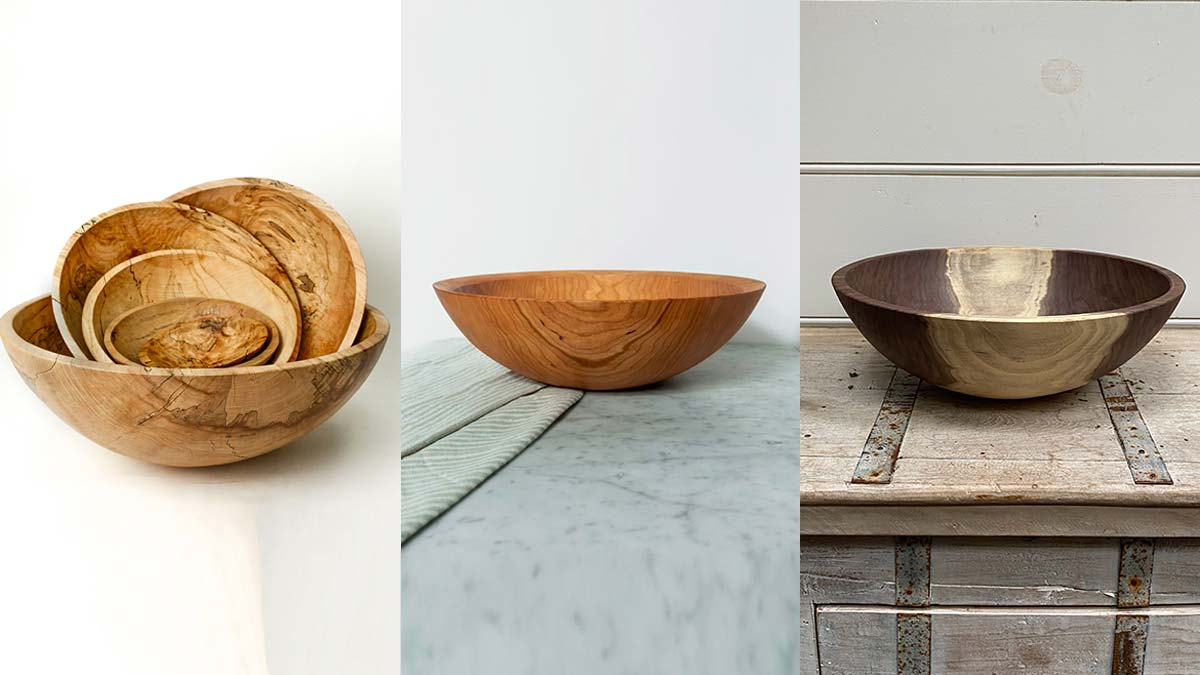
One is cherry, still fairly pale because it hasn’t had much time in the light. One is black walnut, deep chocolate brown through the heartwood. The third is spalted maple, with black lines wandering across a pale surface in a pattern nobody could have designed ahead of time.
All three can become a cutting board.
All three can become a bowl.
So how do you choose?
Mostly, it comes down to what you want the wood to look like today, and what you want it to do over the years that you own it.
Three Very Different Kinds of Wood
We work with all three regularly in our Western Massachusetts workshops, and we wouldn’t call one of them the best.
They’re too different for that.
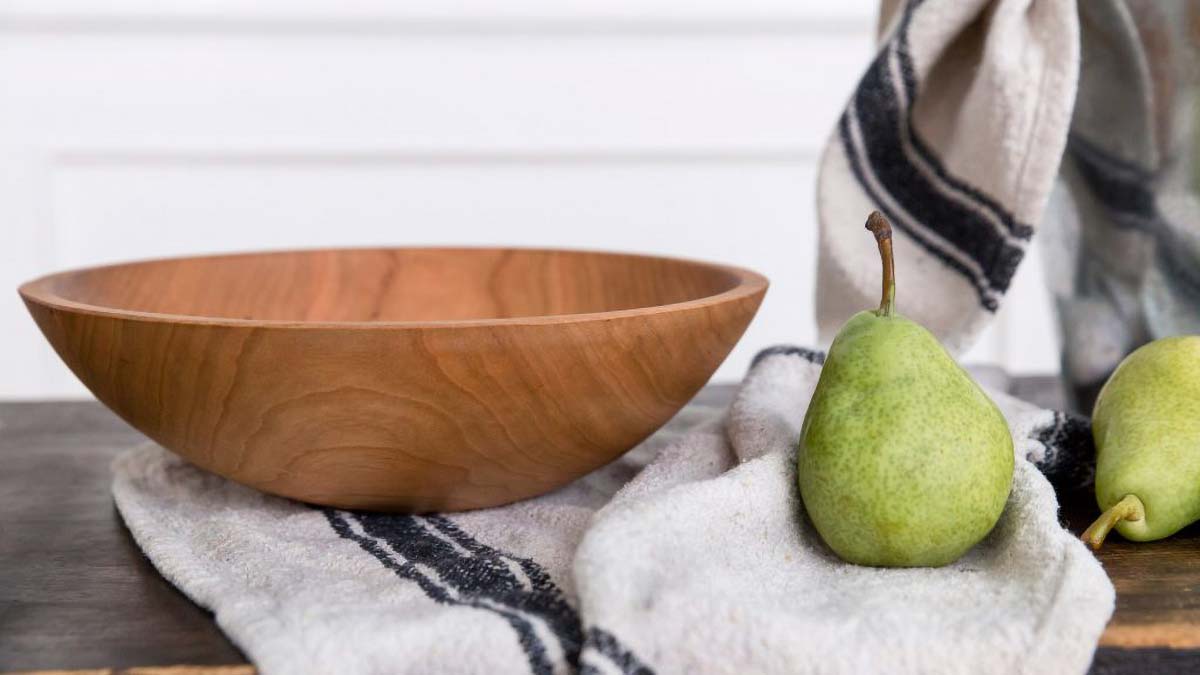
Cherry is about change. A new cherry bowl is only the beginning of what that wood will eventually look like.
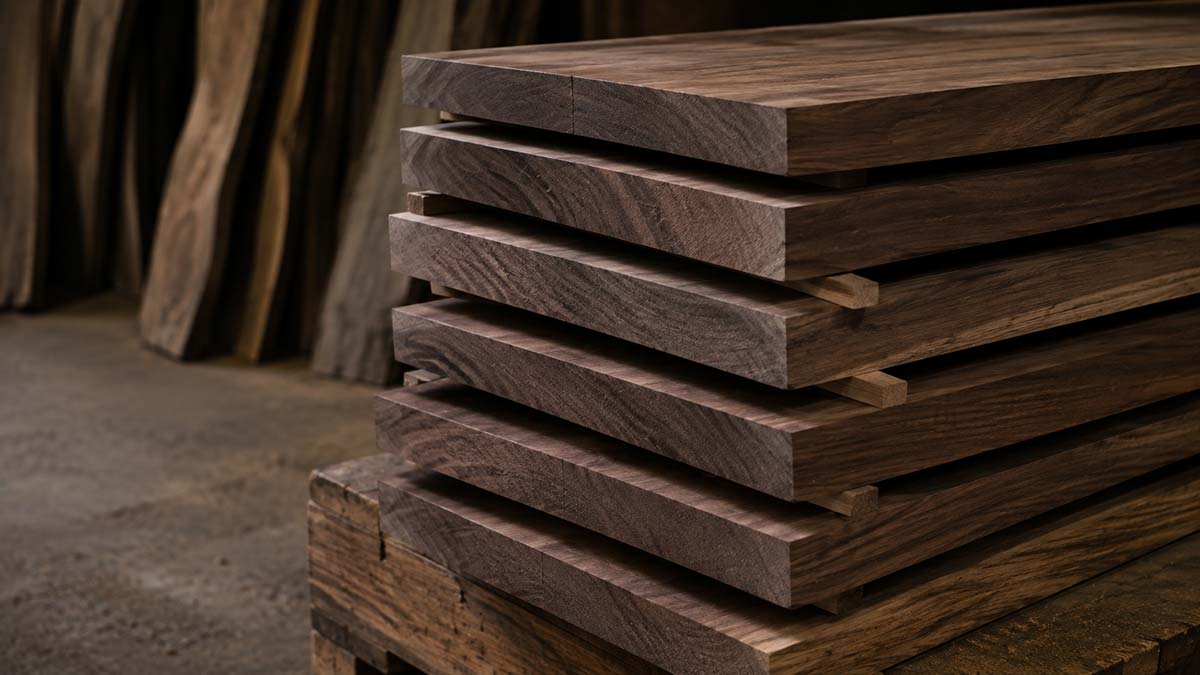
Black walnut gives you natural dark color that very few North American hardwoods can match.
Spalted maple is about what happened to the tree before it ever reached the shop. The lines and markings come from fungi moving through the wood while it still contained enough moisture to support them.
If you’re standing in front of three bowls trying to decide which one goes home with you, that’s a more useful place to start than a hardness chart.
Cherry Gets Darker. Walnut Gets Lighter. Spalted Maple Does Its Own Thing.
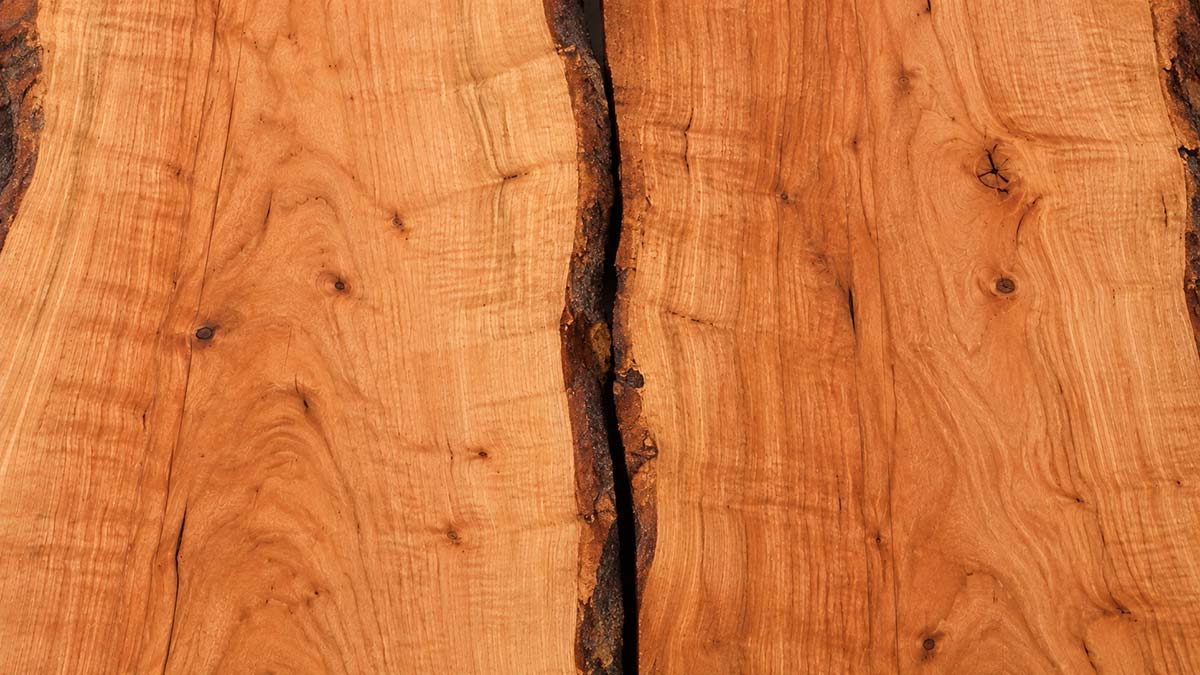
One of our favorite things about cherry is that you don’t really know the final color when you buy it.
Freshly worked black cherry can be surprisingly pale, with pink and golden tones. Exposure to light gradually turns it a deeper reddish brown. The Wood Database notes that freshly cut black cherry starts as a light pinkish brown and darkens with age and exposure to light.
We’ve watched it happen enough that we wrote an entire article about how a cherry bowl changes after you bring it home.
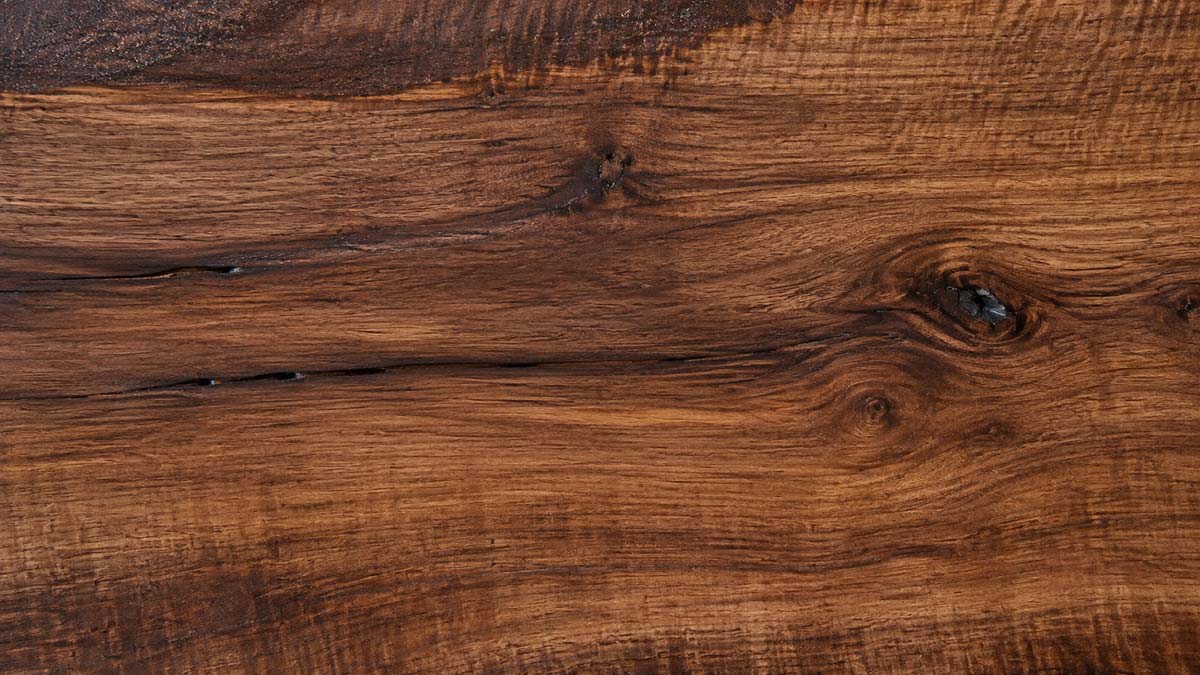
Black walnut moves in the other direction.
Its heartwood starts naturally dark, from medium brown into the deep chocolate colors that make walnut so recognizable. Over time, that darkness can gradually mellow. The Wood Database describes black walnut’s heartwood as ranging from pale brown to dark chocolate brown, sometimes with darker streaks.
You can read more about the wood, including why it behaves differently from most of the species we use, in What Is Black Walnut Wood?.
Spalted maple isn’t really part of either story.
What makes it distinctive isn’t primarily the way its color develops after you bring it home. It’s what already happened inside the tree.
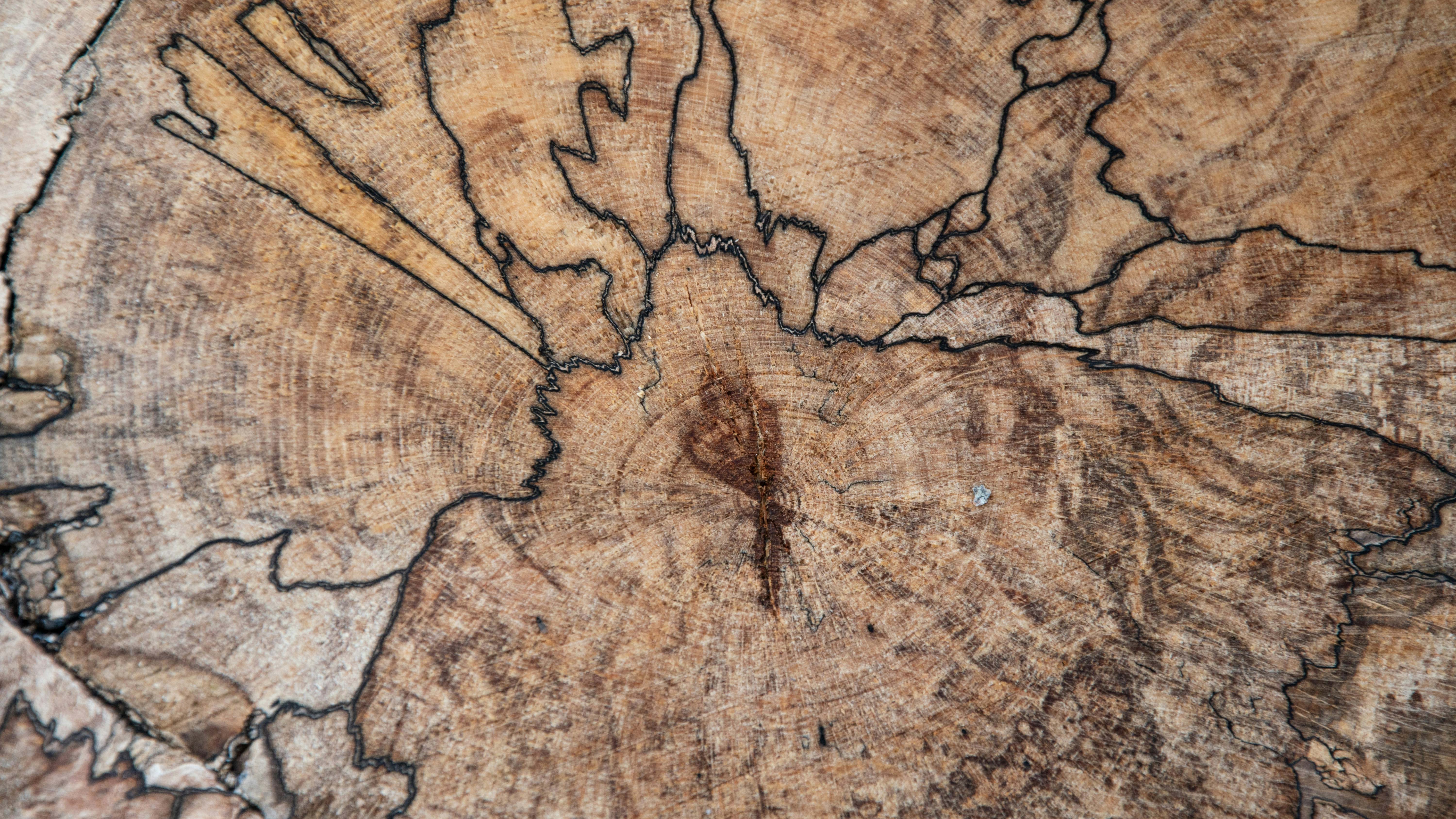
The dark zone lines, patches of color, and wandering patterns were created during the spalting process. Once the sound wood is selected and properly dried, that process is over. What remains is the record of it.
That means a spalted maple board can have more visual movement on the day you buy it than some pieces of wood develop in a lifetime.
What About Hardness?
This is where most wood comparison articles start.
We don’t think it needs to be the first question, but it is worth understanding.
Black cherry has a Janka hardness rating of about 950 pounds-force, while black walnut measures about 1,010 pounds-force on the Janka scale. That’s a relatively small difference between the two woods.
Spalted maple is more complicated.
“Spalted maple” describes what happened to the wood, not a single species of maple. Spalting can occur in red maple, silver maple, sugar maple, and other maples, and those species don’t all have the same hardness.
Sugar maple, often called hard maple, has a Janka rating around 1,450 pounds-force. Red maple is around 950. The condition of an individual piece of spalted wood matters too, because spalting is part of the decay process and wood that has gone too far can become soft.
That’s why we don’t choose spalted maple by looking at a number on a chart.
We choose the actual piece of wood.
Sound cherry and walnut are both well suited to everyday boards and bowls. Sound, properly prepared spalted maple works beautifully for food use too, although its extraordinary figuring makes it especially appealing when you want a board or bowl that stands out.
If the fungus part gives you pause, we’ve gone into the science separately in our guide to whether spalted maple is food safe.
Three Woods, Three Different New England Stories
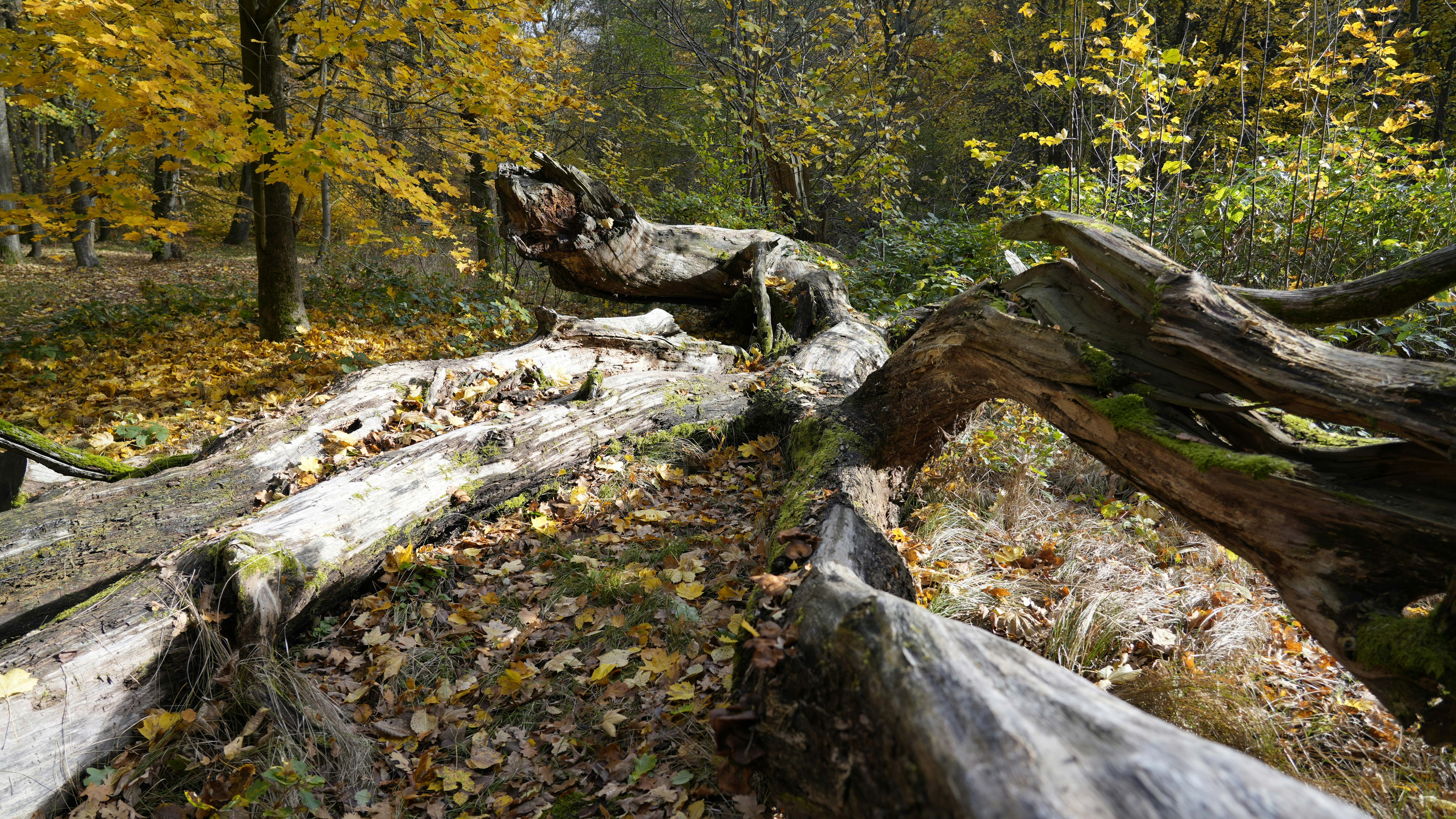
Most of the wood that comes into our shop didn’t begin as lumber.
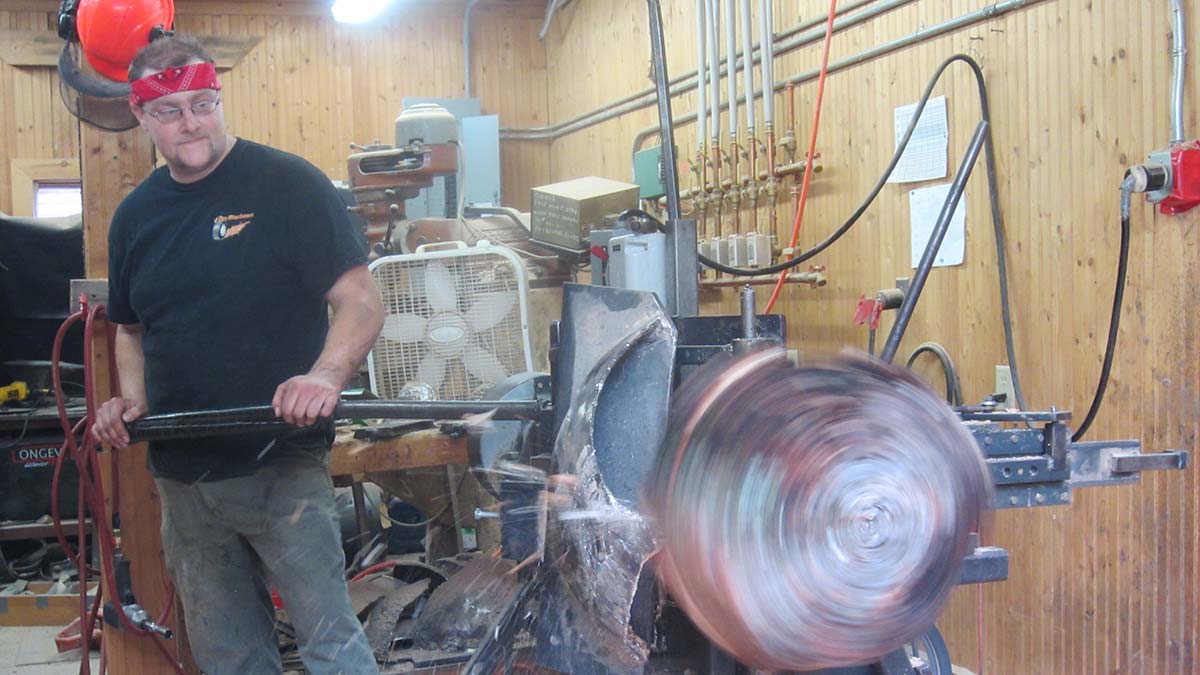
Nearly all of it comes from locally fallen or salvaged trees in New England. A storm brings one down. An old tree in someone’s yard needs to be removed. A tree service calls because something interesting is headed for the chipper.
Cherry fits naturally into that story.
Black cherry (Prunus serotina) has an enormous native range across eastern North America, including New England. The USDA Forest Service describes black cherry as ranging from Nova Scotia and New Brunswick through the eastern United States. It grows here in the woods and has been part of this landscape for a very long time.
Maple hardly needs an introduction in Massachusetts. Different maple species grow throughout the region, and they’re some of the trees we encounter most often. Sometimes a fallen maple has already begun spalting before we get to it. If the timing is right, that’s when things get interesting.
Black walnut has a slightly different New England story.
The USDA Forest Service places the northeastern edge of black walnut’s natural range in western Vermont and Massachusetts, so we’re close to the northern limit of where it naturally grows. Northern Woodlands notes that almost all of the black walnuts found in New England and New York are planted trees, rather than trees growing naturally as a major part of our forests.
For us, that doesn’t make walnut any less local.
It just means the tree may have spent the last hundred years standing beside a farmhouse instead of deep in the woods.
When one comes down, we’re very happy to get the phone call.
We’ve written more about how those trees reach us in From Fallen Trees to the Table.
No Two Pieces Are Going to Match
That’s true of all wood, but these three make the point particularly well.
With walnut, one of the most dramatic differences can happen where pale sapwood meets the dark heartwood. A board that includes both can have a natural line of contrast running straight through it.
Cherry sometimes gives us burl, curly grain, knots, or other figure that interrupts the straighter grain you might expect. And then the color continues changing after the piece leaves us.
Spalted maple takes unpredictability much further.
The fungi didn’t work from a pattern. Zone lines can curve, intersect, disappear, and begin again somewhere else. Color can shift across the same board. Cut two pieces from different parts of the same log and they may barely look related.
That’s part of why we don’t try to make every bowl or board look the same.
We couldn’t if we wanted to.
Spalted Maple vs. Cherry vs. Black Walnut at a Glance
| Cherry | Black Walnut | Spalted Maple | |
|---|---|---|---|
| Color when new | Pale pink to light reddish brown | Medium to deep chocolate brown heartwood | Usually pale maple with dark lines and variable figuring |
| What happens with age | Deepens toward a richer reddish brown | Gradually mellows and lightens | Figure is already present; natural wood color continues to age |
| Janka hardness | About 950 lbf | About 1,010 lbf | Depends on the maple species and condition of the wood |
| New England story | Native and widespread | Native at the southern/western edge of New England; many trees here are planted | Maple species are abundant throughout New England |
| What makes it distinctive | Dramatic color change; occasional burl and figure | Naturally dark heartwood and heartwood/sapwood contrast | Fungal zone lines and highly individual patterns |
| Good choice for | Everyday boards and bowls; anyone who likes watching wood change | Everyday boards and bowls; naturally dark color | Boards and bowls where unusual figure is a big part of the appeal |
Which One Would We Choose?
That’s the problem.
We work around these woods every day and still don’t have one answer.
If you want something that begins fairly understated and becomes richer with time, look at cherry.
If you want the deepest natural color from the start, black walnut is hard to walk past.
And if you want a piece that couldn’t possibly have an identical twin, start looking through the spalted maple.
Then ignore everything we just told you for a minute.
Look at the actual pieces.
Because sometimes you’ll come in thinking you want a walnut bowl and find a cherry one with a curl in the grain you can’t stop looking at. Or you’ll pick up a spalted maple board with one black line running across it in exactly the right place.
That’s usually how the decision gets made anyway.
You can browse our cherry bowls, black walnut bowls, and spalted maple bowls, or compare the same three woods among our cherry boards, black walnut boards, and spalted maple boards.
Whichever one follows you home, take care of it. Our wood care and maintenance guide covers the rest.