Cherry wood is a hardwood from the cherry tree family. In North America, the wood commonly sold as cherry comes from American black cherry (Prunus serotina), a native tree that grows throughout much of the eastern United States, including Massachusetts.
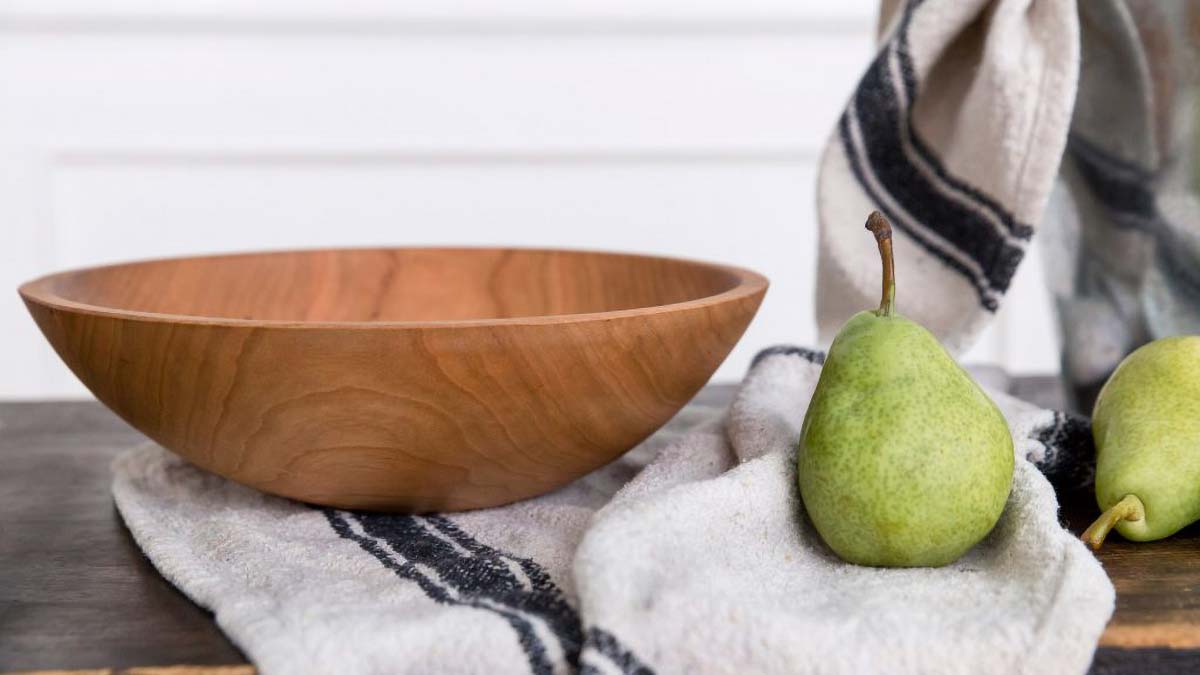
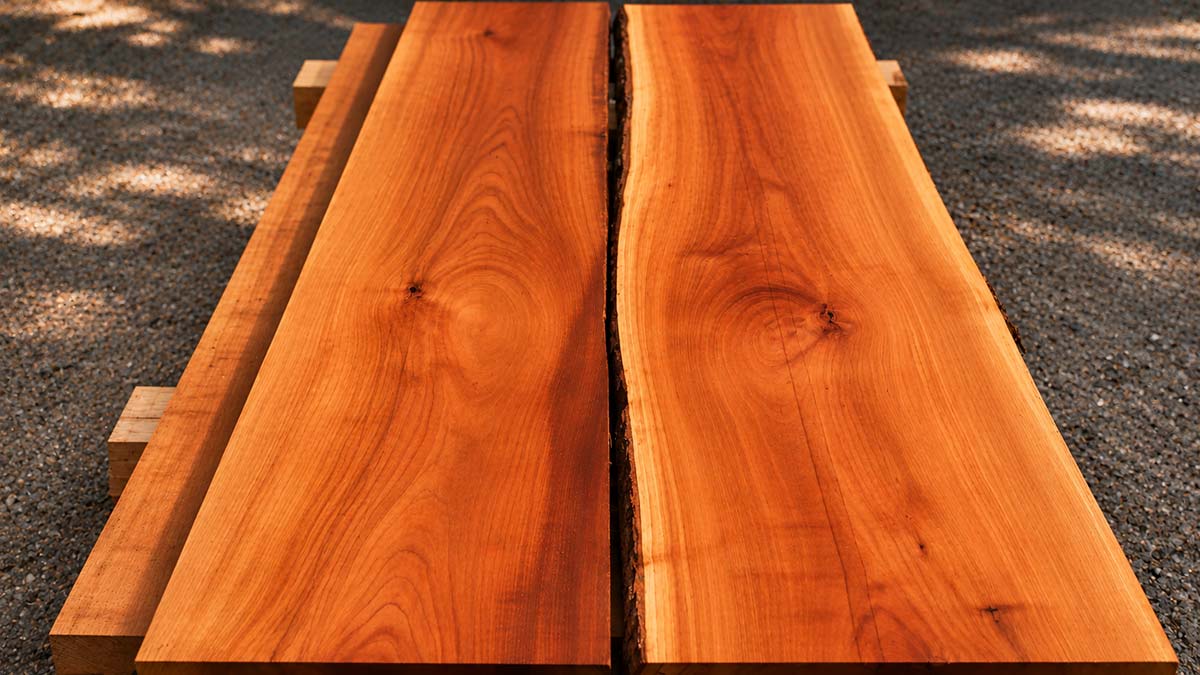
Fresh cherry is lighter than many people expect. The heartwood is usually pinkish brown when first cut, while the sapwood can be pale cream. Exposure to light and air gradually darkens the heartwood, producing the deeper reddish-brown color seen in older cherry furniture.
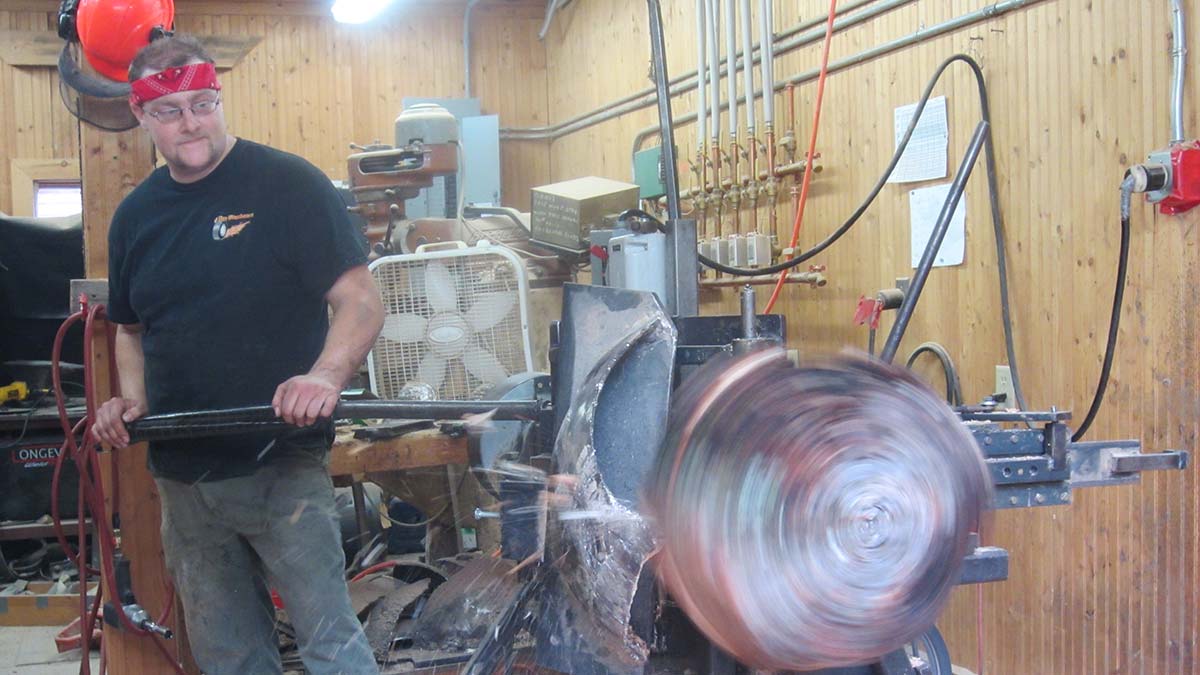
Cherry has a fine grain and works well with both hand and machine tools. It is moderately hard, but softer than oak and hard maple. It also turns well on a lathe, which is one reason it has long been used for furniture, bowls and other woodwork.
American black cherry is different from the sweet cherry trees grown primarily for fruit. The U.S. Forest Service identifies black cherry as the only native cherry of major commercial importance in North America.
Despite the name, “Brazilian cherry” is not a cherry species. It is jatoba. At Spencer Peterman, when we refer to cherry, we mean American black cherry.
What does cherry wood look like?
Cherry changes color as it ages. Newly worked heartwood can be pinkish brown, with much lighter sapwood. As the wood is exposed to light, the heartwood gradually shifts toward a warmer reddish brown. Older cherry can be considerably darker than a newly made piece.
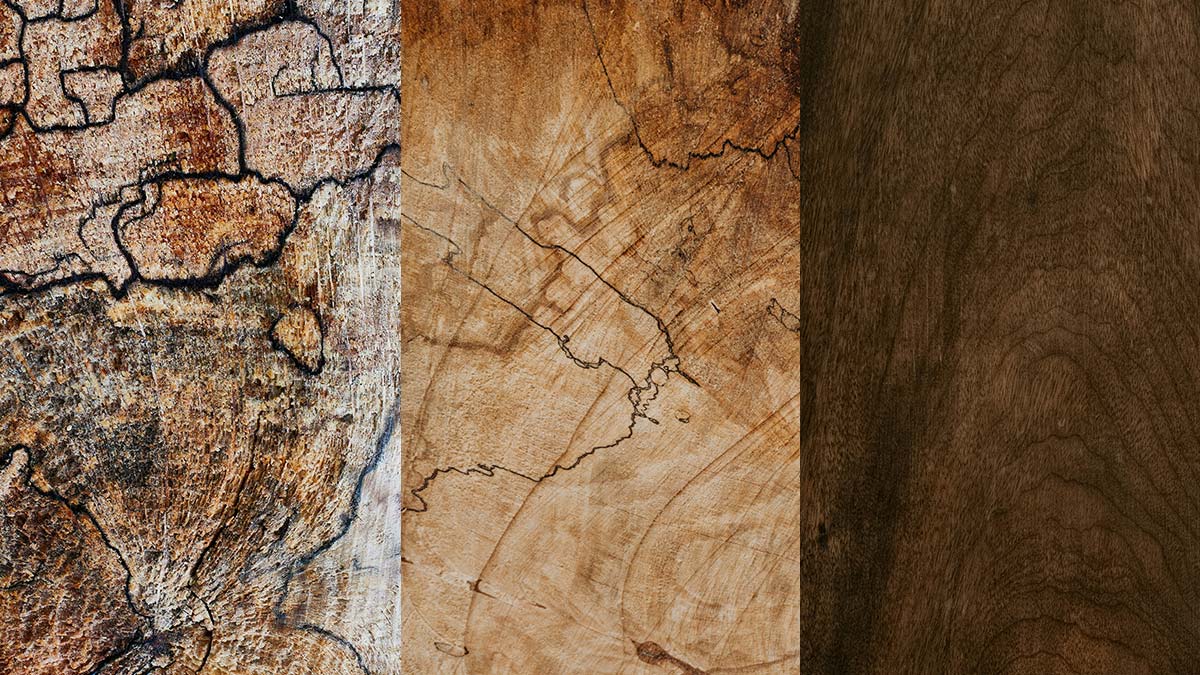
The grain is generally fine and fairly straight, although natural variations include waves, small knots and gum pockets. Color and grain will differ from one solid cherry piece to another.
We look more closely at this color change in The Cherry Bowl You Buy Isn’t the One You’ll Keep, including why a new cherry bowl can look so different from one that has been in a home for years.
Cherry in early New England homes
Black cherry is native to eastern North America. Indigenous peoples used its fruit and bark for food and traditional medicine.
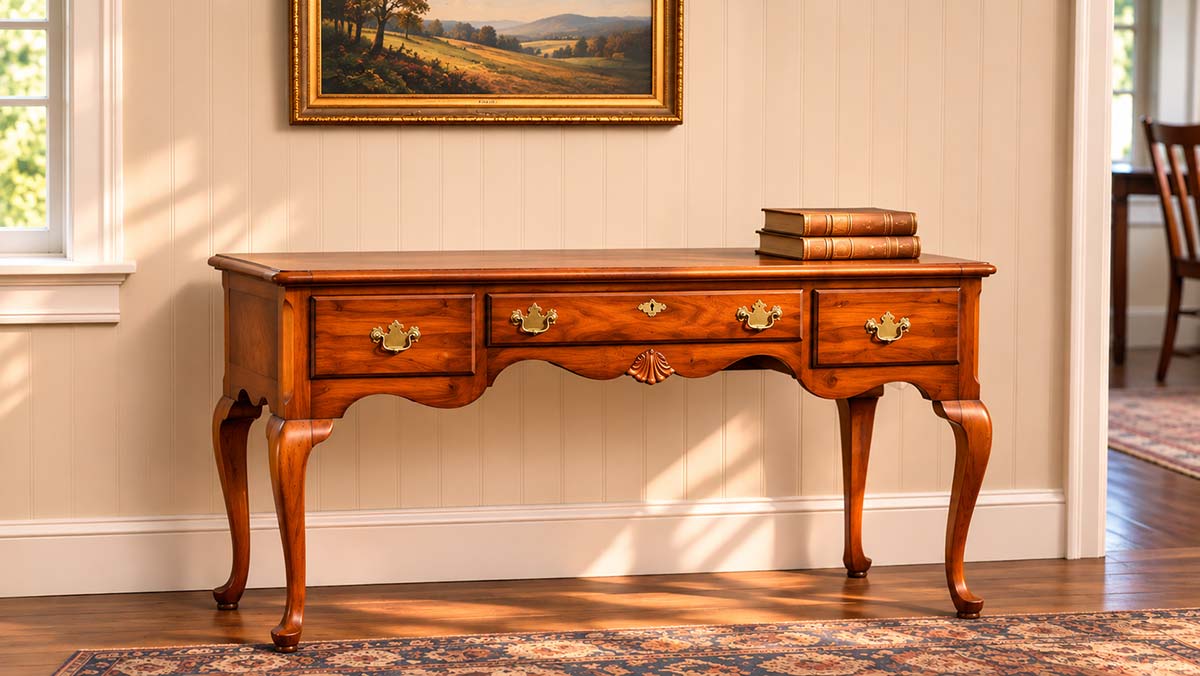
By the eighteenth century, cherry was being used by furniture makers in New England. A high chest in the Historic New England collection, attributed to Concord, Massachusetts furniture maker Joseph Hosmer and dated to about 1755–1775, was made with cherry along with other local woods.
The piece provides a surviving example of cherry being worked in Massachusetts more than 250 years ago.
Cherry also gave early American cabinetmakers a domestic alternative to imported mahogany. The woods are different, but cherry develops a warmer, deeper color as it ages. It was sometimes used where a furniture maker wanted some of the visual warmth associated with mahogany.
Cherry was also used in Shaker furniture and continued to be used by American furniture makers as styles changed.
Why has cherry been used for so long?
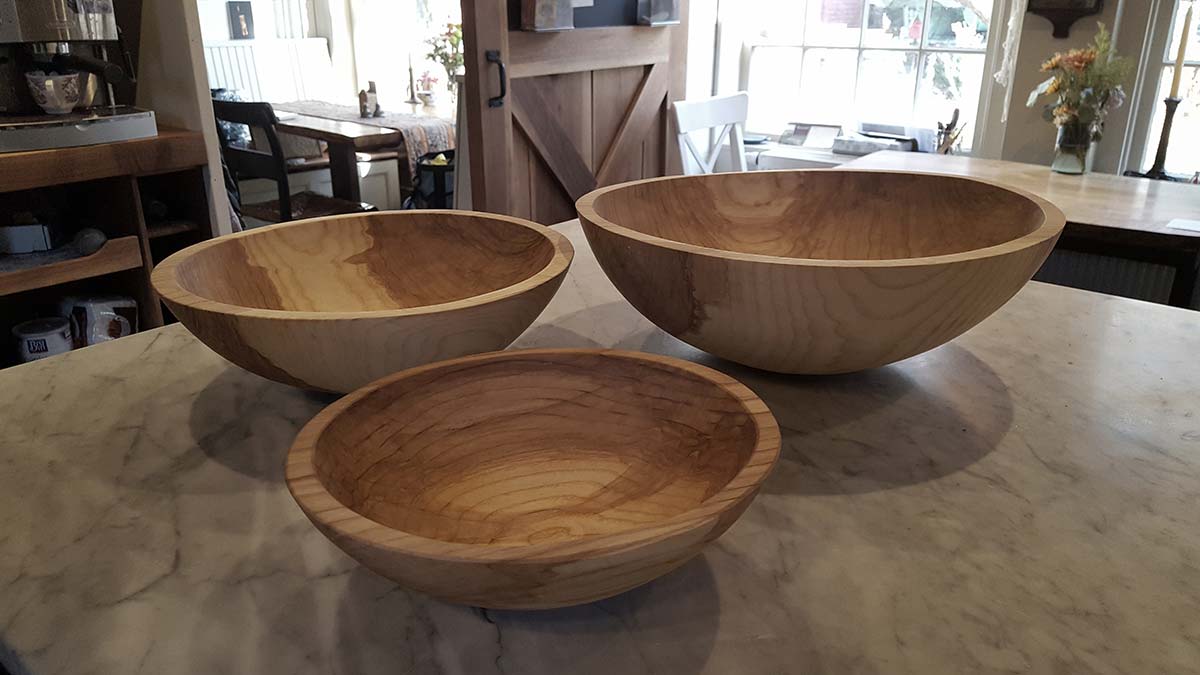
Cherry has remained popular with woodworkers because it is relatively easy to work. The USDA Forest Products Laboratory describes black cherry as moderately hard and stable after drying. With sharp tools, it machines cleanly.
Turning cherry on a lathe reveals the grain differently than cutting it into a flat board. As a bowl takes shape, the grain follows the curve of the piece, and figure that was less obvious in the blank can become more visible.
Cherry does have some challenges in the shop. Dull tools can burn the wood, and areas where the grain changes direction need more care when cutting.
American black cherry has a Janka hardness of about 950 pounds-force. Oak and hard maple are harder. Cherry is still durable enough for furniture, bowls and many other household uses.
Because cherry is softer than oak or hard maple, it can dent and scratch more readily. Its changing color can also make it difficult to match new cherry to an older piece. For bowls and boards that are used regularly, some surface wear is normal over time.
Is cherry wood rare or expensive?
American black cherry is a commercially valuable hardwood, but the species itself is not rare. The price of cherry lumber varies with grade, width and figure. Clear, wide boards generally cost more than lower grades, and unusually figured wood can command a premium.
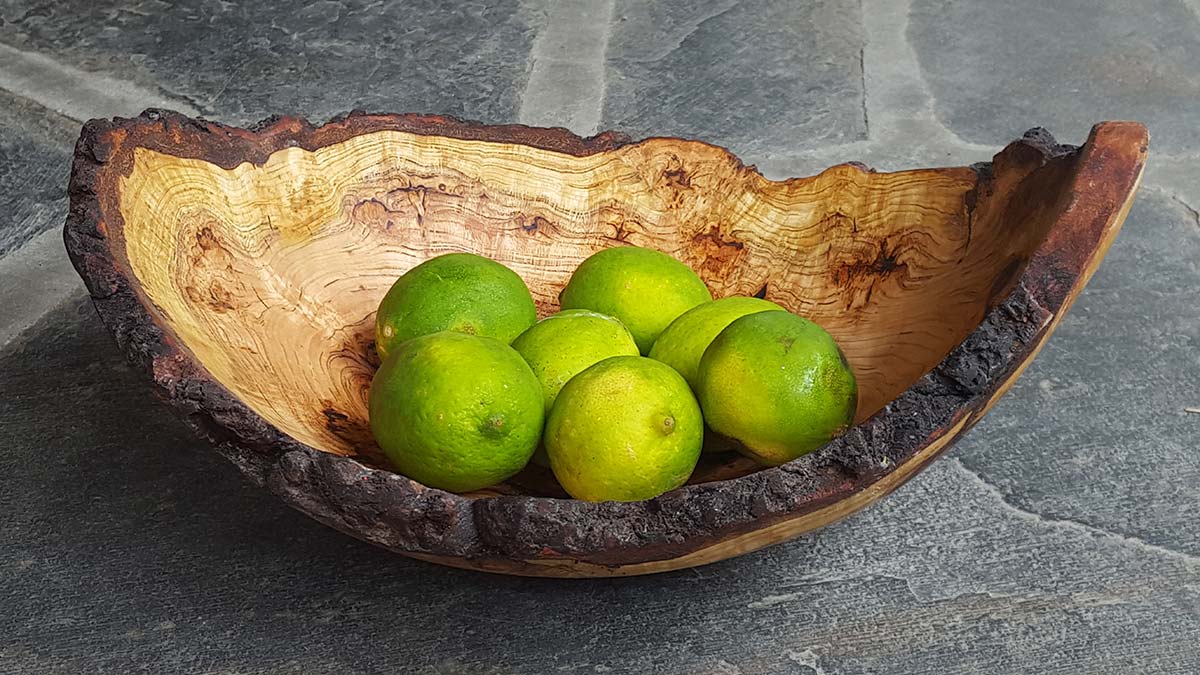
Cherry burl is different. A burl is an unusual tree growth with highly irregular grain. Its shape and figure cannot be reproduced from one tree to another, which makes usable cherry burl much less predictable than ordinary lumber.
Our cherry burl bowls are therefore one of a kind. The grain and natural shape of each burl determine much of the finished bowl’s appearance.
Cherry or oak? It depends on what you’re making.
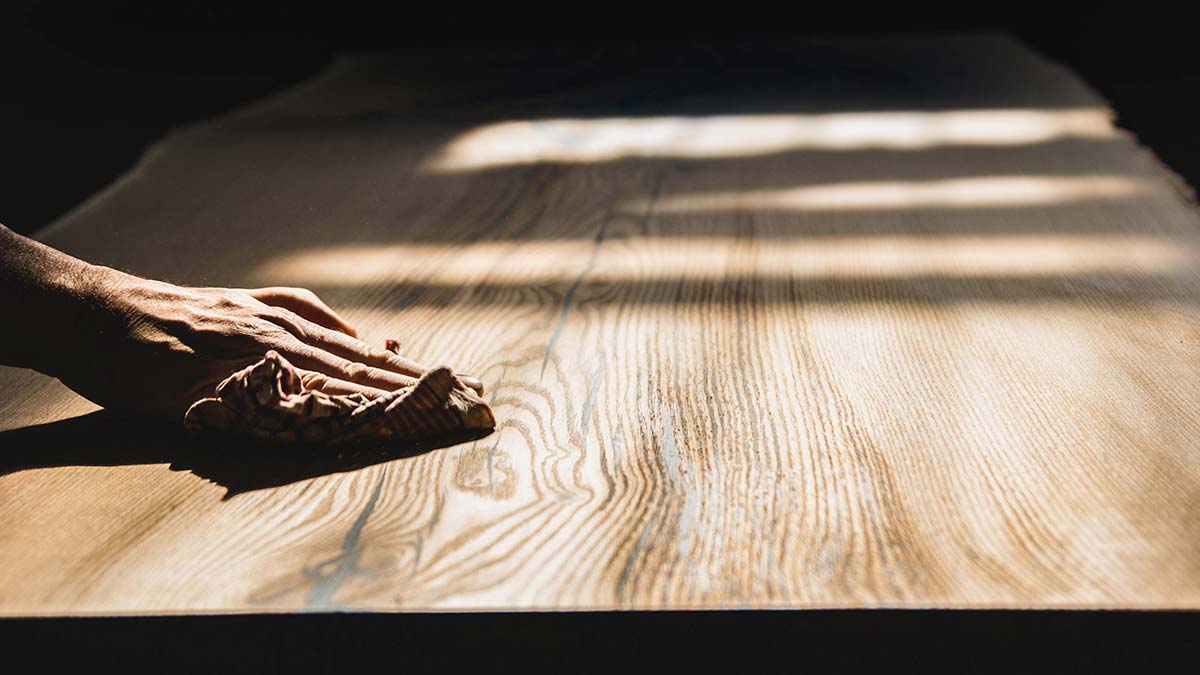
Neither wood is better for every use. Oak is harder and usually has a more pronounced grain. Cherry has a finer grain, is easier to work in many situations and changes color more noticeably with age.
Oak has an advantage when dent resistance is the priority. Cherry is a good choice when a finer grain and easier shaping are more important. The better choice depends on the object and how it will be used.
Is cherry wood outdated?
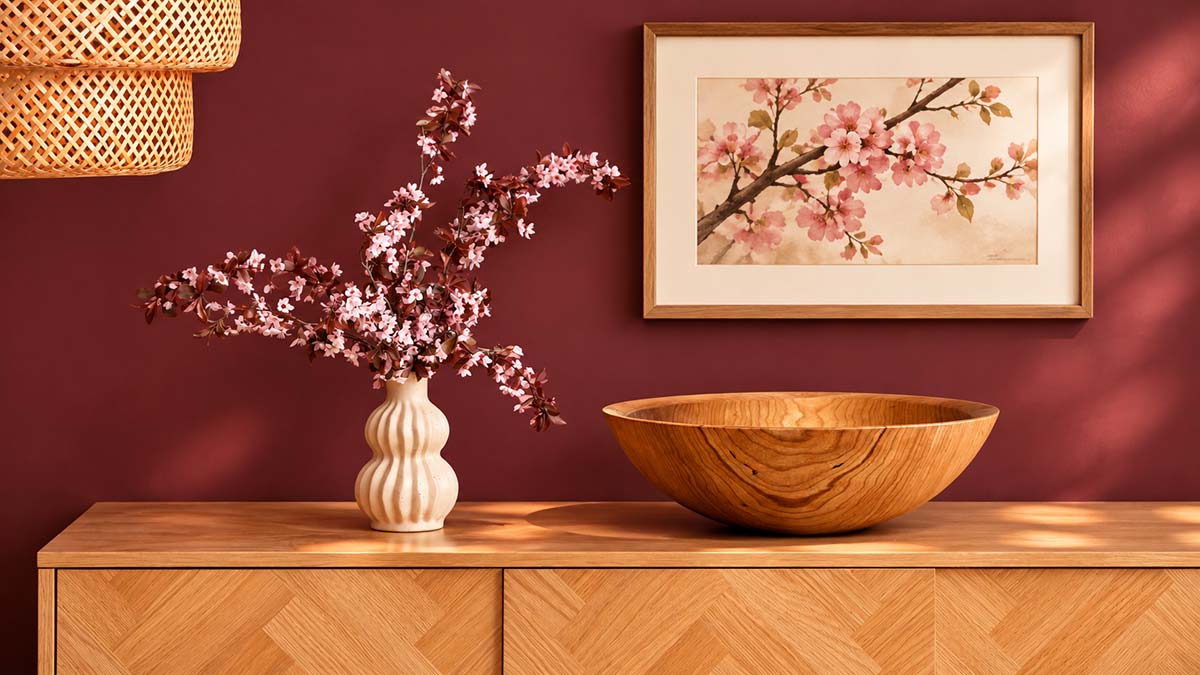
Cherry wood is not outdated, although some furniture styles and finishes associated with cherry can look dated. Dark red kitchen cabinets and glossy matching furniture gave many people a particular idea of what cherry looks like. Much of that appearance came from stain, finish and the design style of the piece rather than from the natural color of freshly worked cherry.
Natural cherry used in a hand-turned bowl, live-edge bowl or cutting board can look quite different, especially when the finish allows the grain and natural color of the wood to remain visible.
What we make from cherry in Gill, Massachusetts
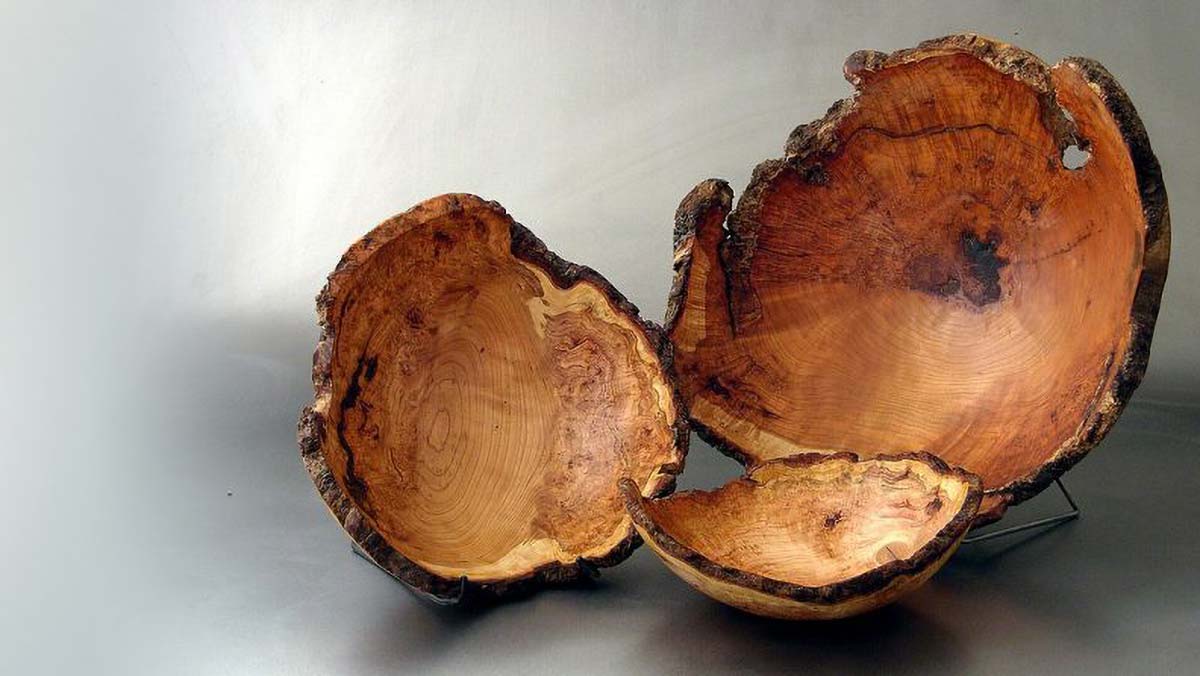
We use American black cherry for several kinds of work in our shop in Gill, Massachusetts.
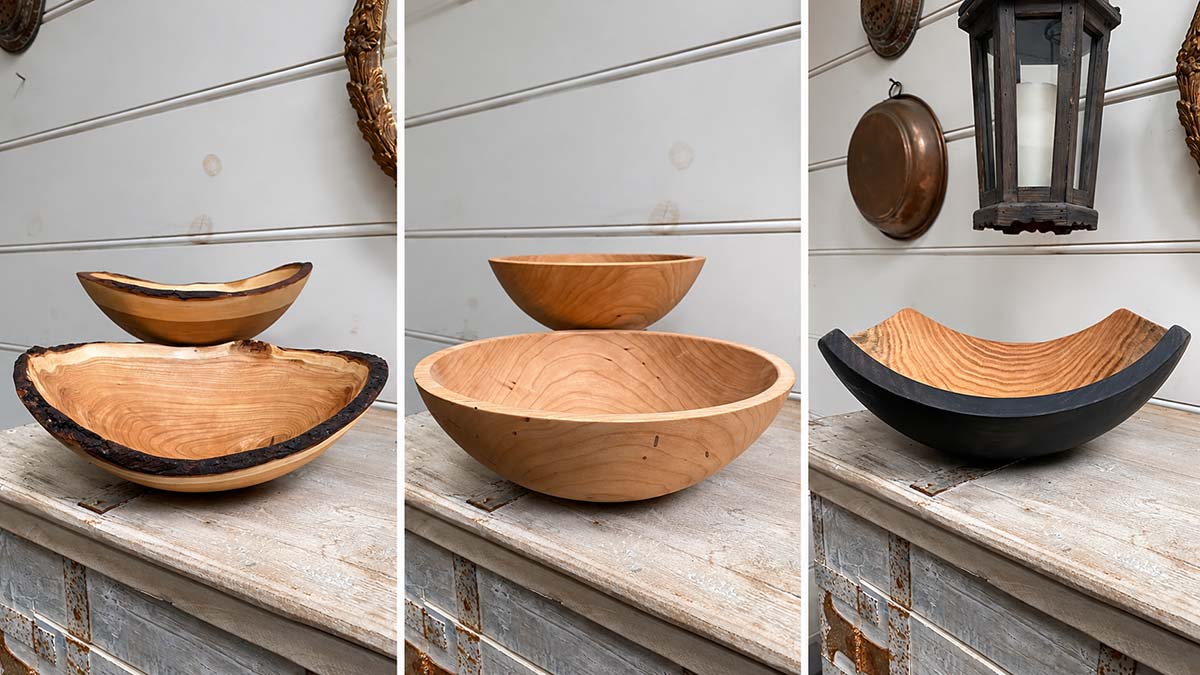
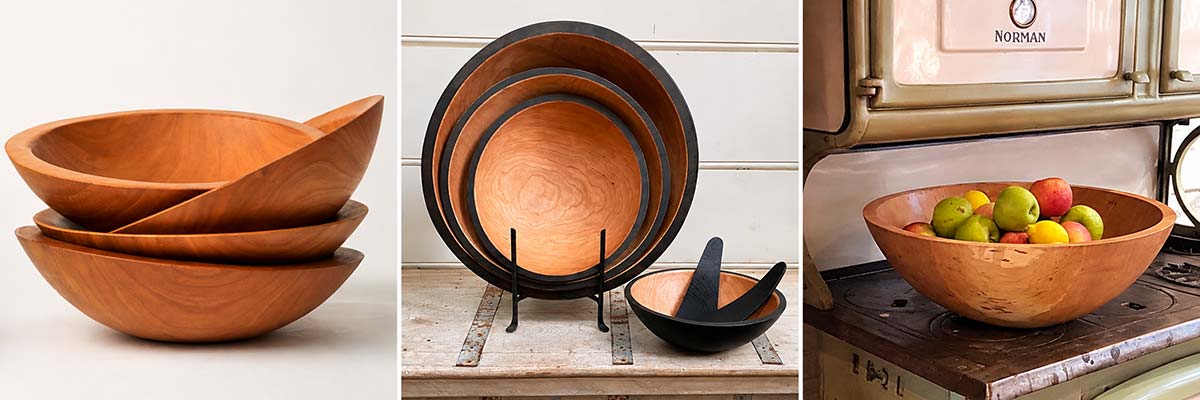
Our round cherry bowls are turned from solid wood in a range of sizes. For live-edge cherry bowls, we preserve part of the tree’s natural outside edge along the rim when the wood allows it. We also turn cherry Harvest bowls with handles.
Cherry is also used for our cutting boards with handles and salad tossers. The same species can look quite different depending on how the wood is cut and shaped.
Cherry burl requires a different approach because the grain can change direction throughout the piece. Our cherry burl collection includes finished bowls shaped around those natural variations.
In every case, the color and grain of the individual piece of wood remain visible in the finished work.
A wood that keeps changing
A new cherry bowl may be considerably lighter than the same bowl will be several years later. Normal exposure to light will gradually deepen the color, and the change continues after the bowl leaves our shop.
That gradual change is one of the defining characteristics of American black cherry and one of the reasons a new piece can look different from older cherry you already know.