Yes, spalted maple is food safe.
We use it to make bowls, cutting boards, serving boards, salad tossers, and other pieces meant to be used around food every day.
But we understand the question.
After all, the remarkable black lines and color variations that make spalted maple so beautiful are created by fungi growing in the wood. Put the words fungus and cutting board in the same sentence, and it’s reasonable to wonder whether the two belong together.
They do.
The important part is understanding what spalting is, what happens when the wood is dried, and how a piece of spalted maple goes from a log in the woods to a bowl or cutting board in your kitchen.
Why Do People Worry About Spalted Maple?
Spalting begins while the tree or log still contains enough moisture for fungi to grow.
Different fungi move through the wood, changing its color and sometimes creating the dark lines that make one piece of spalted maple look completely different from another. We explain that process in more detail in our guide to what spalted maple is.
The word fungus tends to be where people get nervous.
Dr. Seri Robinson, a professor of wood anatomy at Oregon State University and one of the leading researchers on spalting, has spent years studying these fungi and their use in wood products.
One distinction she makes is particularly important: the fungi responsible for spalting wood aren’t the same thing as the molds people commonly associate with spoiled food or unhealthy buildings.
In her research and writing on spalted wood, Robinson has explained that most spalting fungi do not produce the mycotoxins necessary to cause harm to humans.
More recently, in an Oregon State University Extension interview devoted to spalted wood, Robinson addressed the food-safety question directly. Spalted wood is safe for food use, including things like cutting boards and salad bowls.
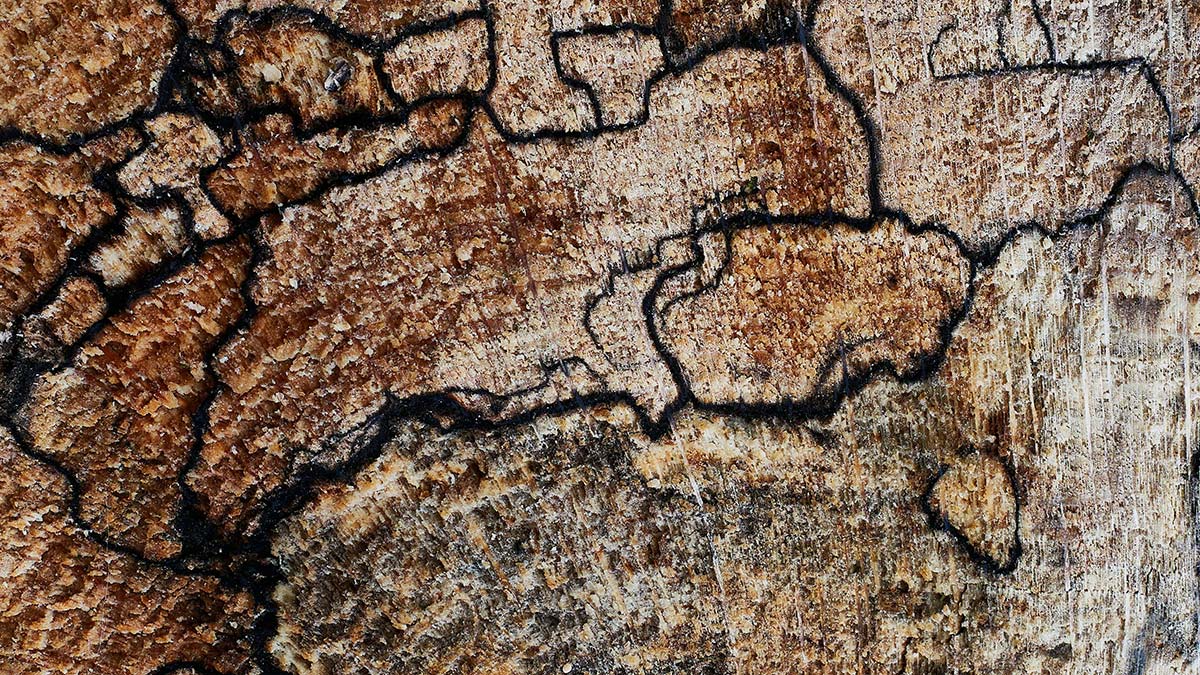
Those Black Lines Aren’t Black Mold
This is probably worth clearing up on its own.
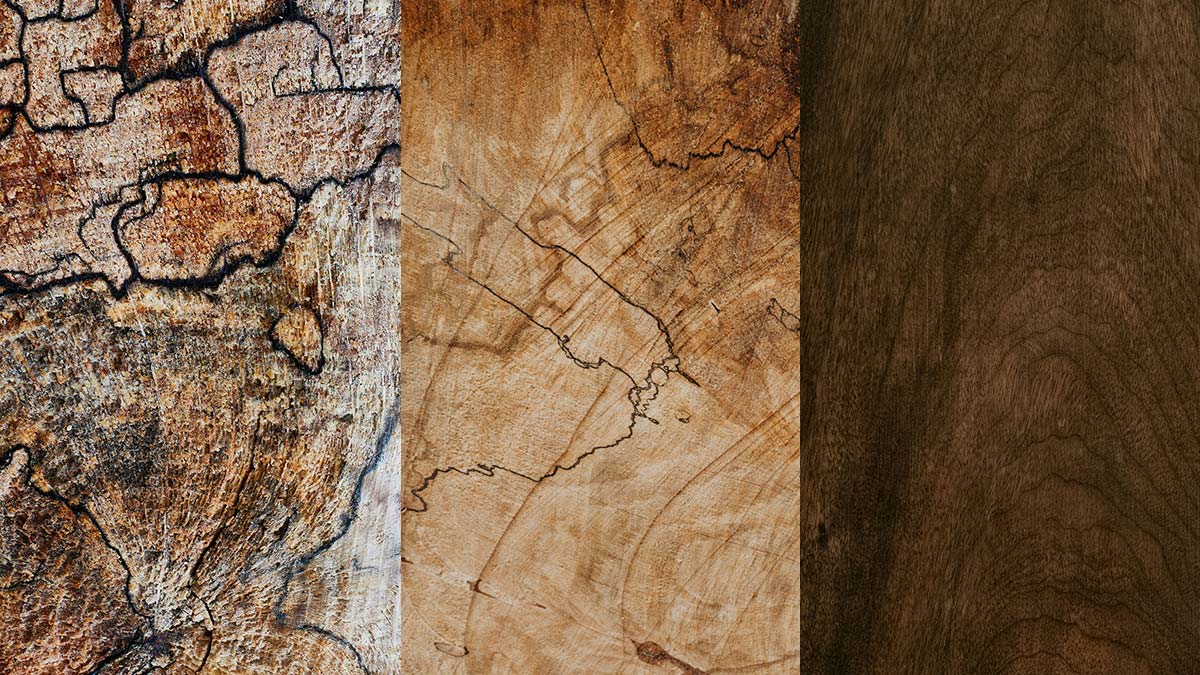
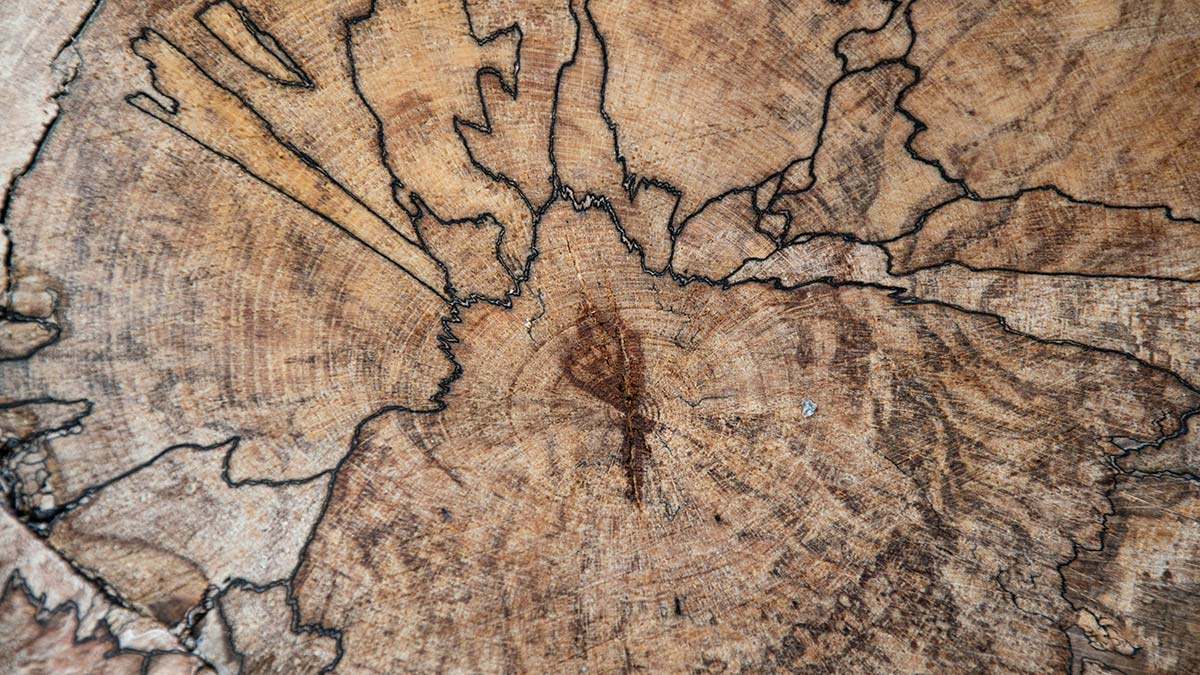
The black lines running through spalted maple are called zone lines.
They’re created where fungi establish boundaries in the wood, often as different fungal colonies compete for territory and resources.
And the black color?
It’s melanin.
Yes, melanin. The same pigment humans produce in their skin.
A 2021 scientific review of zone-line spalting co-authored by Robinson looked specifically at these patterns and the role melanin plays in creating the dark lines.
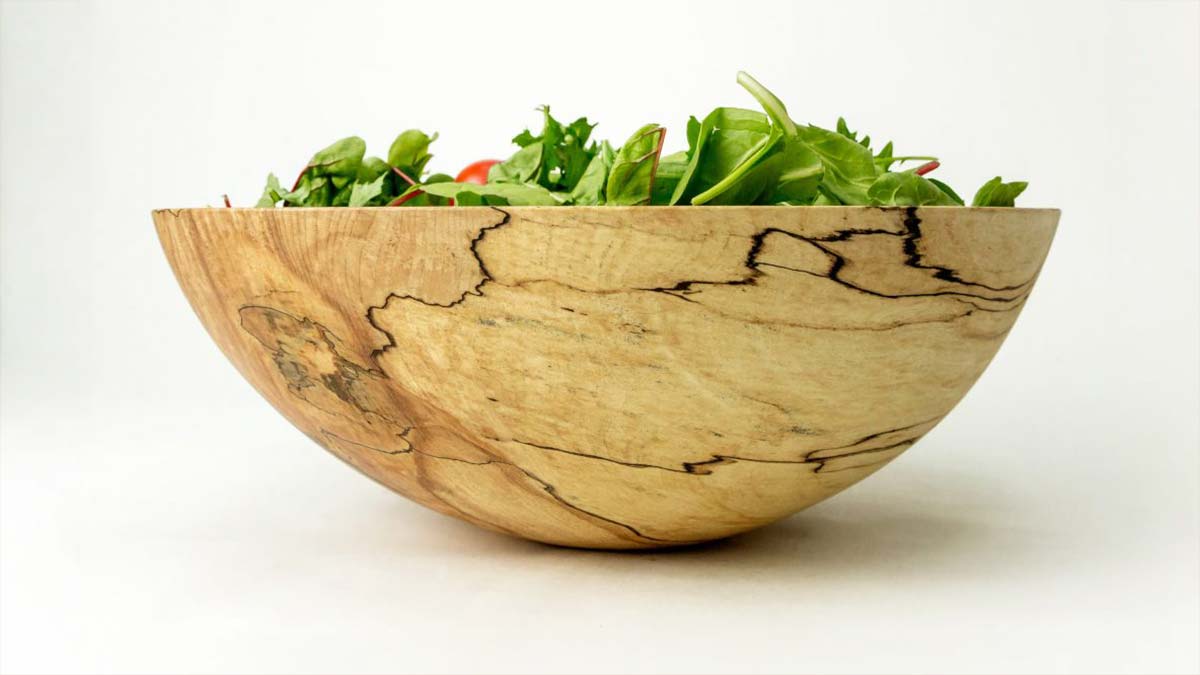
So when you see a dramatic black line running through a spalted maple bowl, you aren’t looking at a streak of black mold. You’re looking at a permanent pattern left in the wood by the natural spalting process.
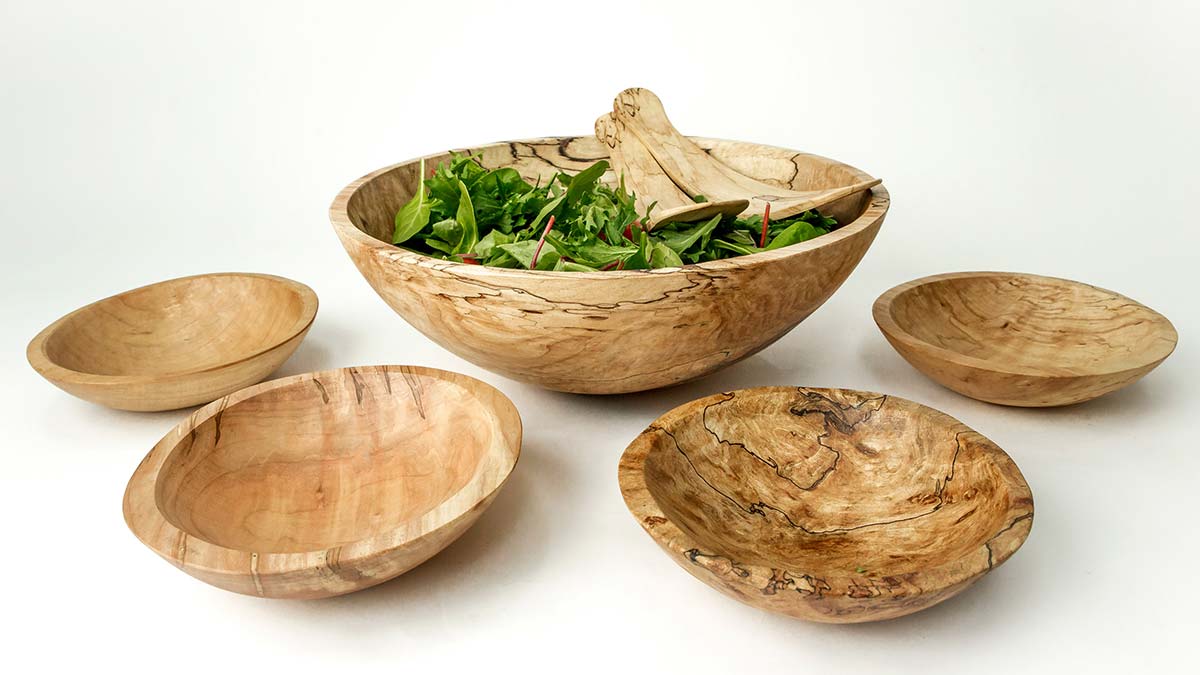
What Happens to the Fungus When the Wood Is Dried?
This is the part that matters most for something headed into your kitchen.
Fungi need moisture to grow.
Once spalted wood has been properly dried, the fungi that created the spalting are dead and harmless. The spalting process has stopped, but the colors, lines, and patterns it created remain in the wood.
Dr. Robinson discusses this specifically in her writing about spalted wood and food safety.
That’s what we’re after.
We want the remarkable pattern the fungi created. We don’t want the decay process to continue.
Knowing when to stop that process is part of working with spalted wood.
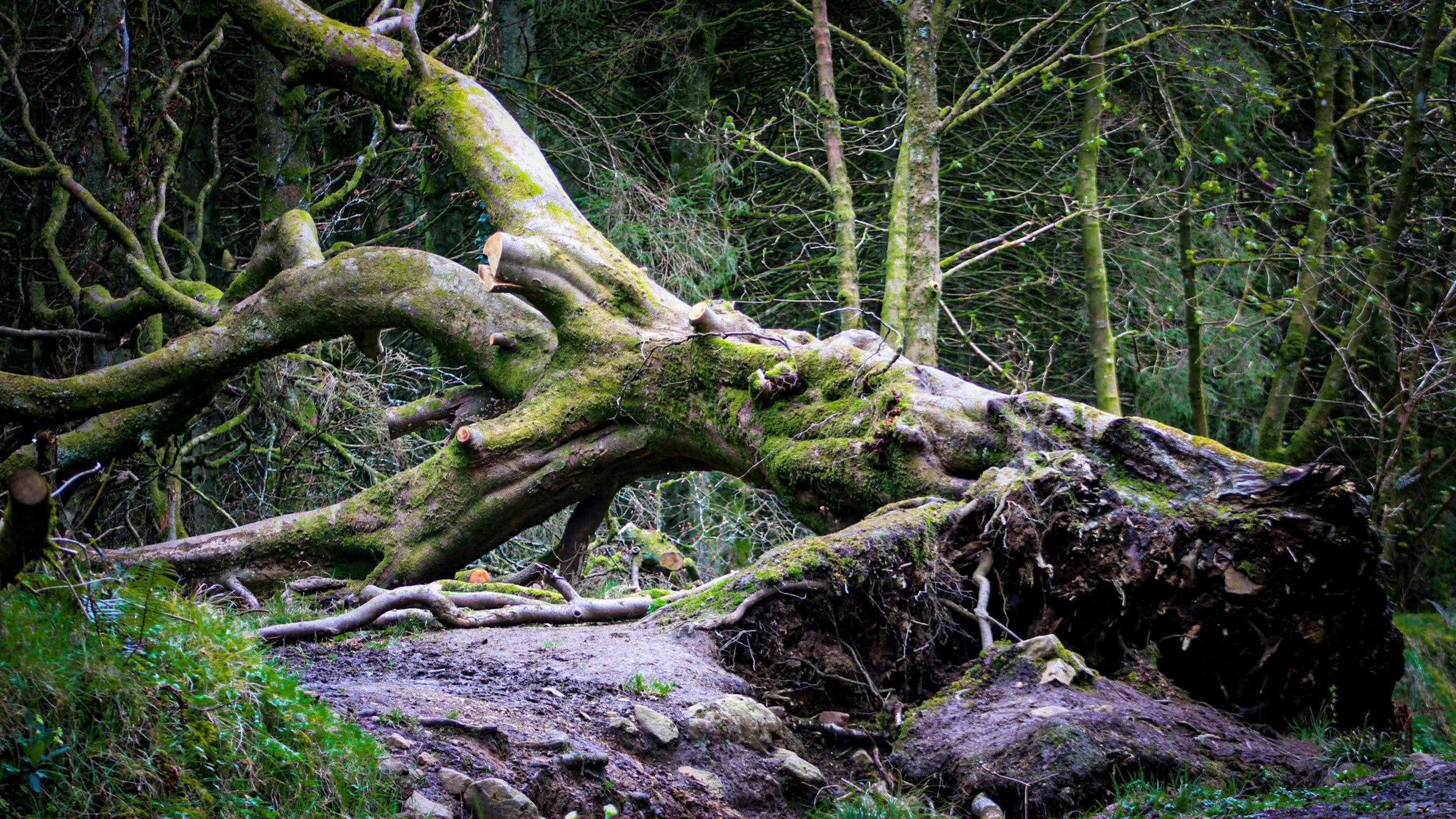
Not Every Piece of Spalted Maple Belongs in the Kitchen
This is an important distinction.
Spalting is part of the natural decomposition process. Leave a log in the woods long enough and eventually the wood will become too soft and deteriorated to make much of anything.
We aren’t interested in getting anywhere close to that point.
Good spalted maple still needs to be sound wood.
If the wood has become punky, spongy, badly deteriorated, or filled with areas that have lost their structural integrity, it doesn’t become a cutting board or salad bowl.
That’s one of the reasons experience matters when working with spalted maple. The goal is to catch the wood after the spalting has created interesting patterns but while the wood itself remains strong enough for the piece we’re making.
Sometimes that window is surprisingly small.
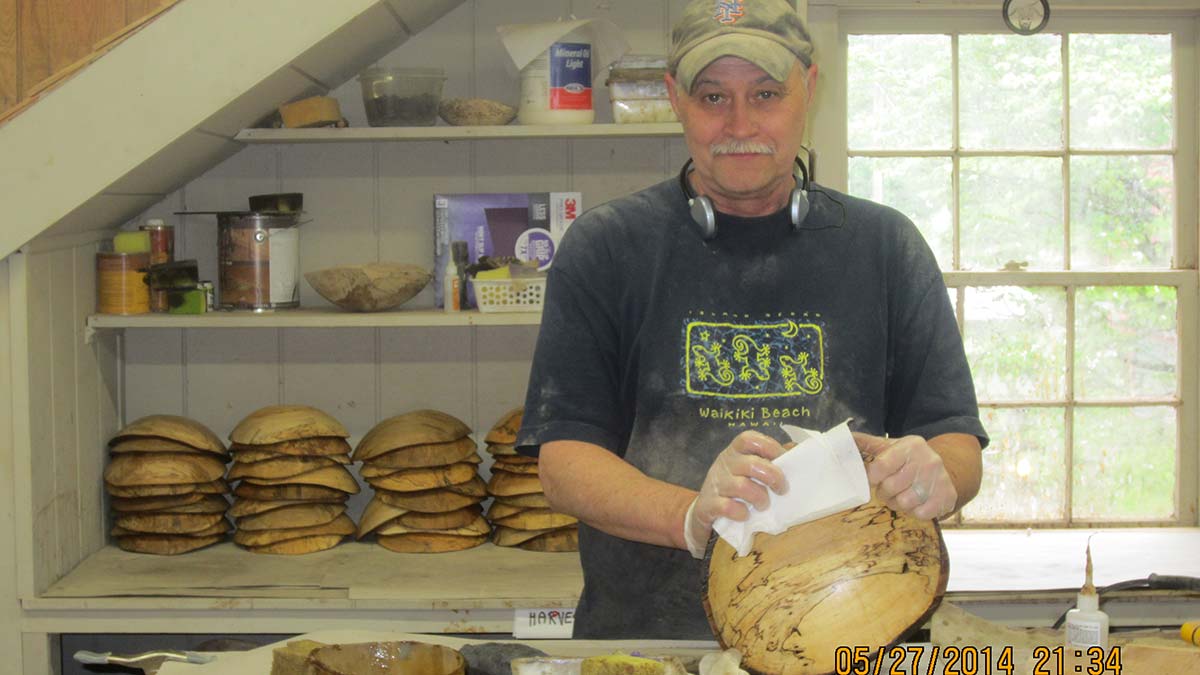
How We Prepare Spalted Maple for Your Kitchen
Much of the maple we work with comes from trees that have fallen, been removed, or otherwise wouldn’t have become usable lumber.
Spalting gives us another opportunity to turn some of those trees into something useful.
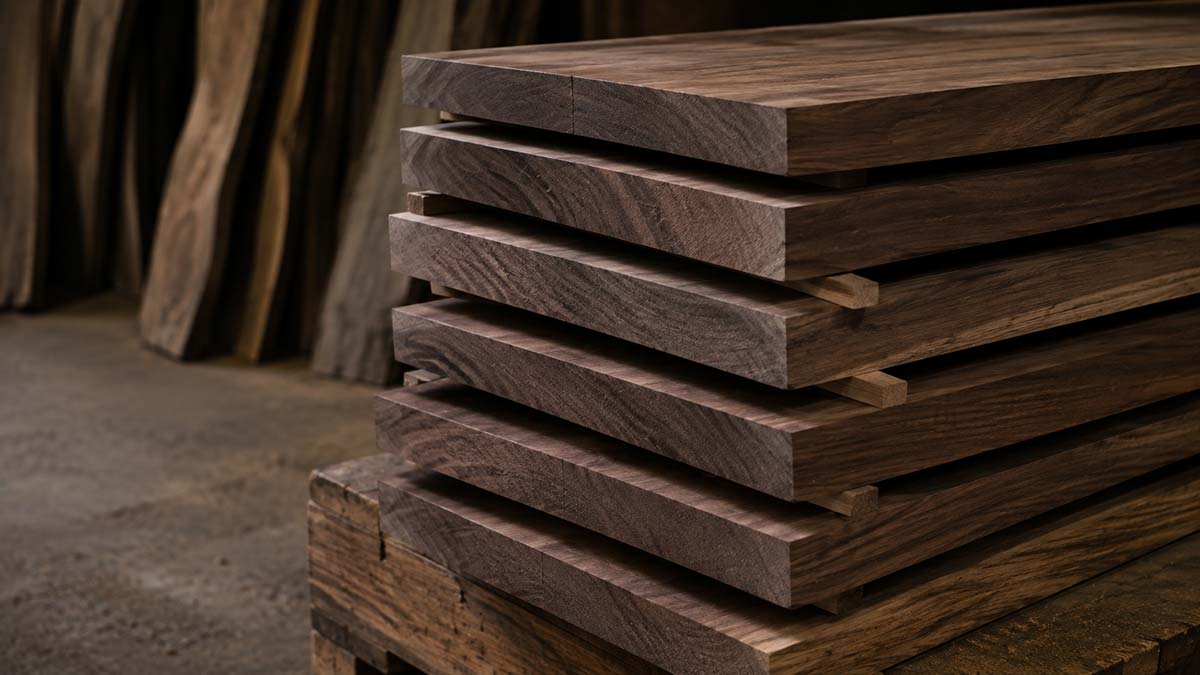
Once we have a promising log, the wood is milled and dried. From there, we can see what we really have.
Some boards are beautiful.
Some aren’t.
Some have just enough spalting to add character. Others have dramatic black zone lines running across nearly the entire piece.
And some simply aren’t sound enough to use.
The boards that make the cut are selected for the piece they’ll become, then shaped, sanded, and finished in our Western Massachusetts workshops.
For our natural wooden bowls, boards, and salad tossers, we use a food-safe finish that brings out the grain, color, and spalting patterns in the wood.
The result is something that looks wild but is perfectly at home in the kitchen.
Is Spalted Maple Safe for Cutting Boards?
Yes.
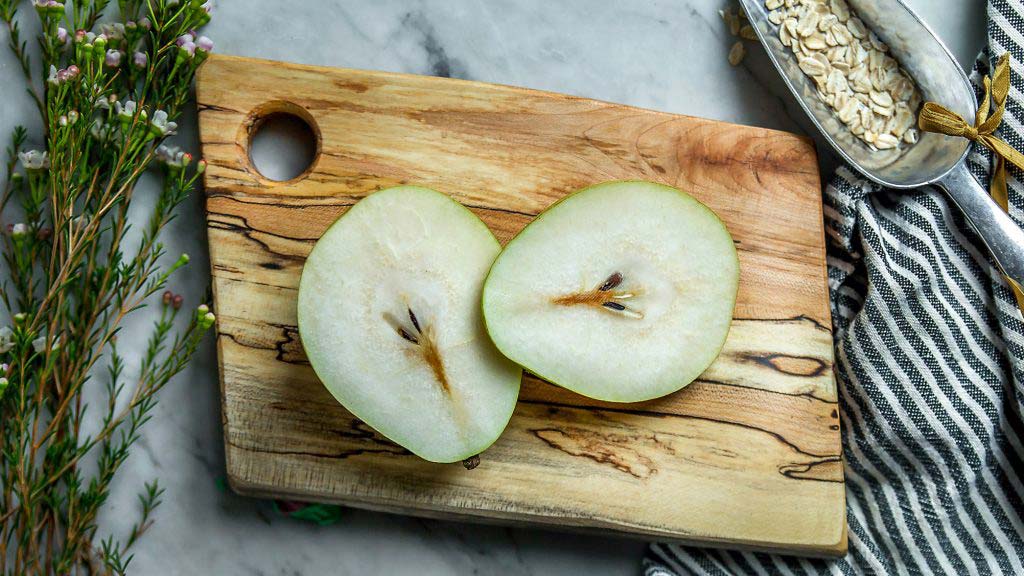
Properly prepared spalted maple is safe for cutting boards.
The important question isn’t whether a board has spalting. It’s whether the underlying wood is sound, properly dried, well made, and appropriate for the job.
That’s also why buying a finished spalted maple cutting board from an experienced maker is different from finding a heavily decayed piece of maple in the woods and deciding to make a cutting board out of it.
There’s a lot of territory between those two things.
If you’re considering one for your kitchen, you can see more about how we make our spalted maple cutting boards.
What About Bacteria on Wooden Bowls and Cutting Boards?
There’s another interesting part of the food-safety story that has nothing specifically to do with spalting.
Wood itself has some useful properties when it comes to bacteria.
Robinson’s research has found that unfinished wood can draw bacteria below the surface as the wood dries. Once inside the wood, the bacteria become trapped and eventually die.
That research applies specifically to unfinished wood, so we wouldn’t use it to make the same antimicrobial claim about one of our finished bowls or cutting boards.
For the pieces we make, the advice is much simpler.
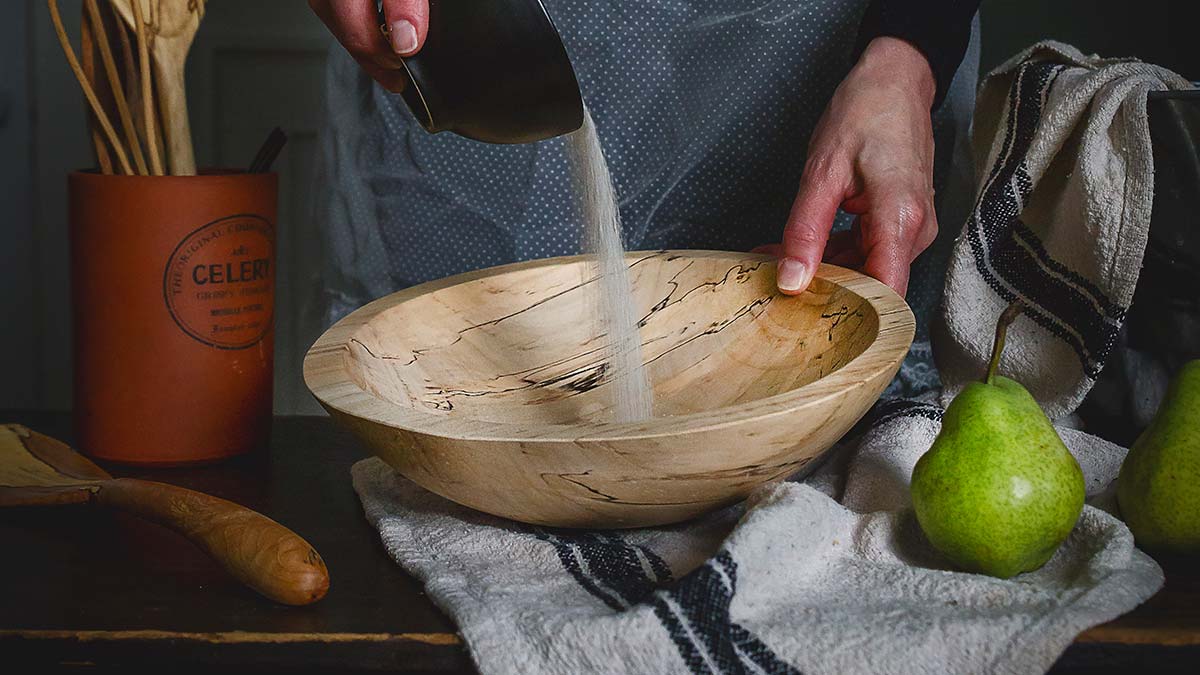
Wash them by hand. Don’t soak them. Don’t put them in the dishwasher. And let them dry thoroughly between uses.
We’ve written more about the subject in Are Wooden Bowls Sanitary? and have complete instructions in our wood care and maintenance guide.
Take care of the wood and it can be part of your kitchen for a very long time.
So, Is Spalted Maple Food Safe?
Yes.
The fungi that create spalting grow while the wood contains enough moisture to support them. Once properly dried, those fungi are dead and harmless. What remains are the lines, colors, and patterns they left behind.
From there, what matters is the same thing that matters with any piece of wood meant for your kitchen: start with sound material, prepare it properly, use an appropriate food-safe finish, and take care of it.
We’ve been working with spalted maple for years because it gives us something few other woods can.
We never know exactly what we’re going to find when we open a log.
Sometimes it’s a cutting board.
Sometimes it’s a salad bowl.
And every once in a while, we find a piece that makes everyone in the shop stop for a second and look.