
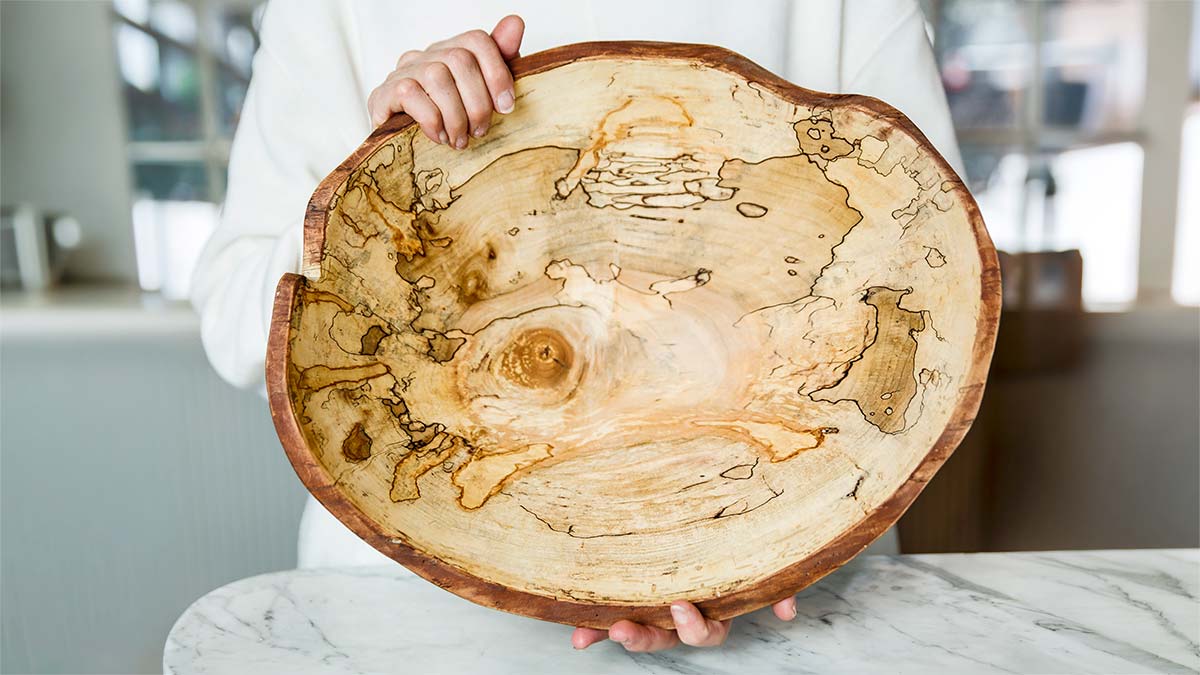
When a Large Wooden Bowl Makes Sense (and How People Actually Use It)
A large wooden bowl isn’t something you reach for without thinking.
It comes out when the table starts to fill up. When one dish needs to serve more than a couple of people. When the bowl itself becomes part of what people notice.
That shift matters.
In the Spencer Peterman collection, “large” usually falls into two size ranges depending on the piece. Many round and live edge bowls land somewhere around 14 to 16 inches. Some stretch a bit wider depending on how the wood was shaped. You feel the difference right away when you pick one up or set it on the table.
It’s not subtle.
Where a Large Wooden Bowl Fits in the Kitchen
Most bowls stay tied to one job.
A large wooden bowl doesn’t.
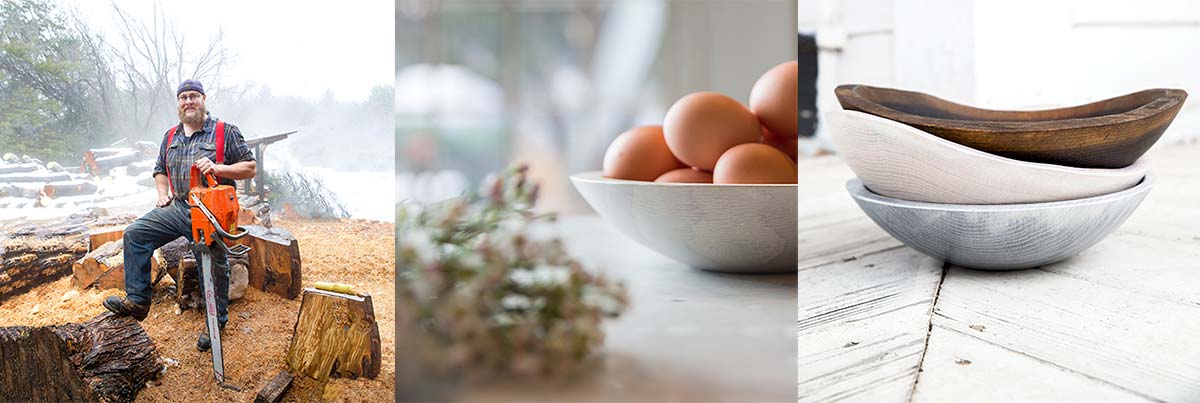
It might hold fruit for a few days. Then it moves to the table for dinner. Later, it’s back on the counter again. Same bowl, different role.
You don’t need a reason to use it, but you do notice when it’s missing.
There’s also a physical difference at this size. You’re not working around the bowl. You’re working with it. It takes up space, and that space becomes part of how the kitchen or table is organized.
What Actually Ends Up in a Large Wooden Bowl
This is where size starts to matter more than anything else.
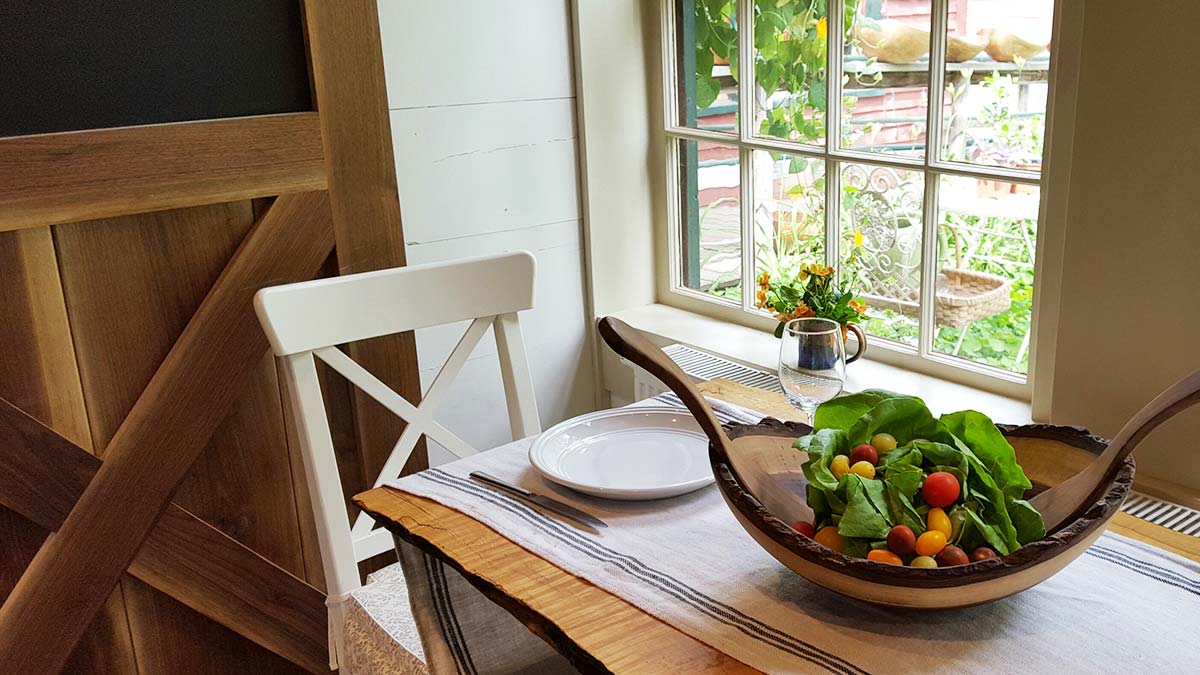
Salads for a group. Pasta that’s meant to be shared. Bread that needs room to sit without getting packed in too tightly.
You’re not thinking in single servings anymore.
A large wooden bowl gives you enough room to mix and serve without switching containers. That matters when you’re moving quickly or bringing everything to the table at once.
Some people also use this size for prep. Washing greens. Holding ingredients before cooking. It works, but it usually doesn’t stay in that role for long.
It ends up back on the table.
Looking for ideas? 27 Pasta Recipes for Any Night of the Week
Round Bowls, Live Edge, and What Changes at This Size
Shape starts to show more once the bowl gets larger.
A round wooden bowl feels balanced. Predictable. It sits cleanly in the center of a table and works well when you’re serving something that needs to be mixed or tossed.
A live edge bowl pulls more attention. The shape follows the outer edge of the tree, so the line isn’t uniform. At a larger size, that difference becomes more noticeable.
You don’t have to explain it. People see it.
This is also where more distinctive pieces start to come into play. Burl bowls, for example, have heavier grain patterns and more variation. At a smaller size, that detail can get lost. In a large bowl, it becomes the main feature.
When a Large Wooden Bowl Replaces Smaller Ones
There’s a point where smaller bowls stop making sense.
If you’re serving three or four people, a medium bowl usually works. Once you go beyond that, you start to run out of space.
That’s when a large wooden bowl takes over.
Instead of using multiple smaller bowls, everything goes into one. It keeps the table simpler. Fewer pieces, less movement, easier to serve.
It also changes how people interact with the table. One bowl gets passed around instead of several staying in place.
You notice the difference right away.
When It’s More Bowl Than You Need
There are times when a large bowl doesn’t fit.
Quick meals. Small portions. Limited counter space.
In those situations, it can feel oversized. You’re working around it instead of using it.
That’s usually when people reach for a medium bowl instead. Something easier to move, easier to store, easier to use without thinking about it.
The large bowl still has a place. It just isn’t the default for everything.
A Large Wooden Bowl as a Permanent Piece
Some bowls get stored between uses.
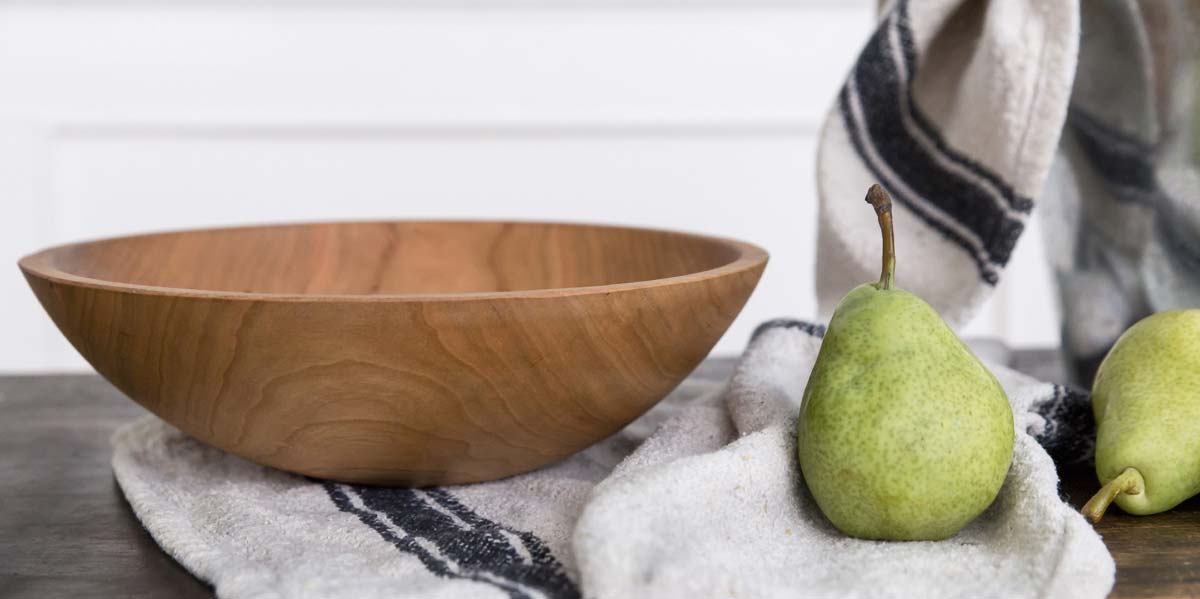
A large wooden bowl often stays out.
On a dining table. On a kitchen island. Sometimes empty, sometimes holding something simple. It doesn’t need to be filled to feel complete.
This is where the material starts to matter more.
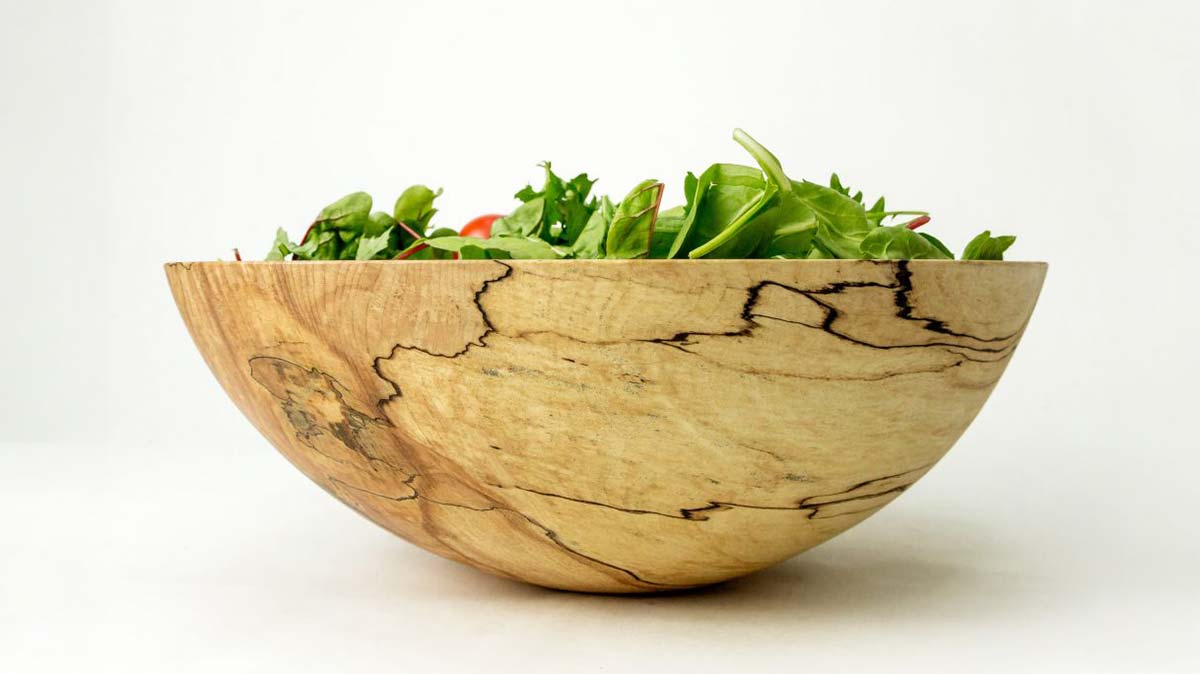
Spalted maple shows movement in the grain. Ambrosia maple brings lighter variation. Cherry deepens over time. Black walnut adds contrast. Oak, especially in finishes like driftwood or black ebony, shifts the tone of the entire piece.
You don’t need all of that explained when you see it.
You just know which one fits the space.
A Large Wooden Bowl Holds Its Place
A large wooden bowl doesn’t move around the house the way smaller ones do.
It settles into a spot and stays there.
The table. The island. Somewhere visible.
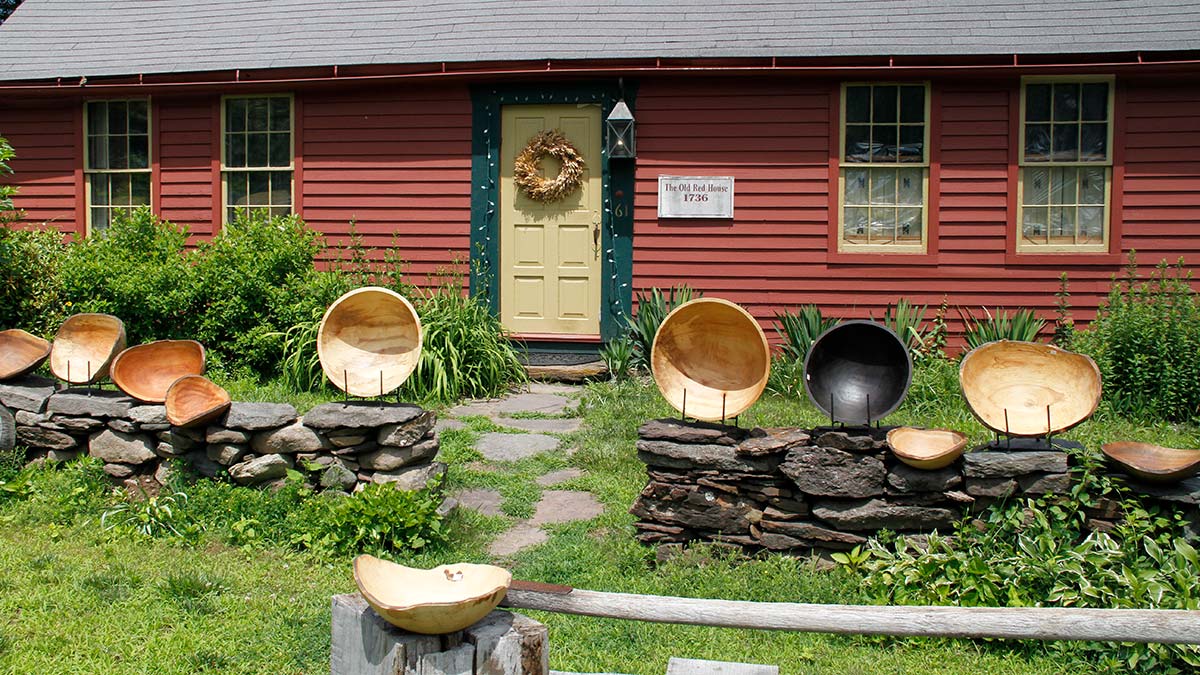
In the Spencer Peterman collection, each bowl is turned by hand from reclaimed wood and shaped based on what the material allows. That’s why sizes vary slightly, even within the same category.
No two come out the same.
At this size, that difference stands out more.