
After a long winter in western Massachusetts, the first warm days don’t feel consistent.
There’s still snow in the shade. Mornings stay cold. You need a jacket, then you don’t.
Then you get a Saturday at the Greenfield Farmer’s Market where things start to change. Not all at once. Just a few tables with early greens. Small radishes. Herbs that actually smell like something again.
That’s usually when it starts.
In the workshop, you notice it in smaller ways. Windows stay open longer. Bowls dry faster. The light shifts across the racks where everything is set out.
Someone brings in greens. Or flowers. They land in a bowl near the bench. No one plans it.
It just happens.
That’s more or less how spring tables come together for us. Not from a layout or a plan. Just from what shows up after a long stretch of heavier food and colder days.
How We Think About Spring Tables
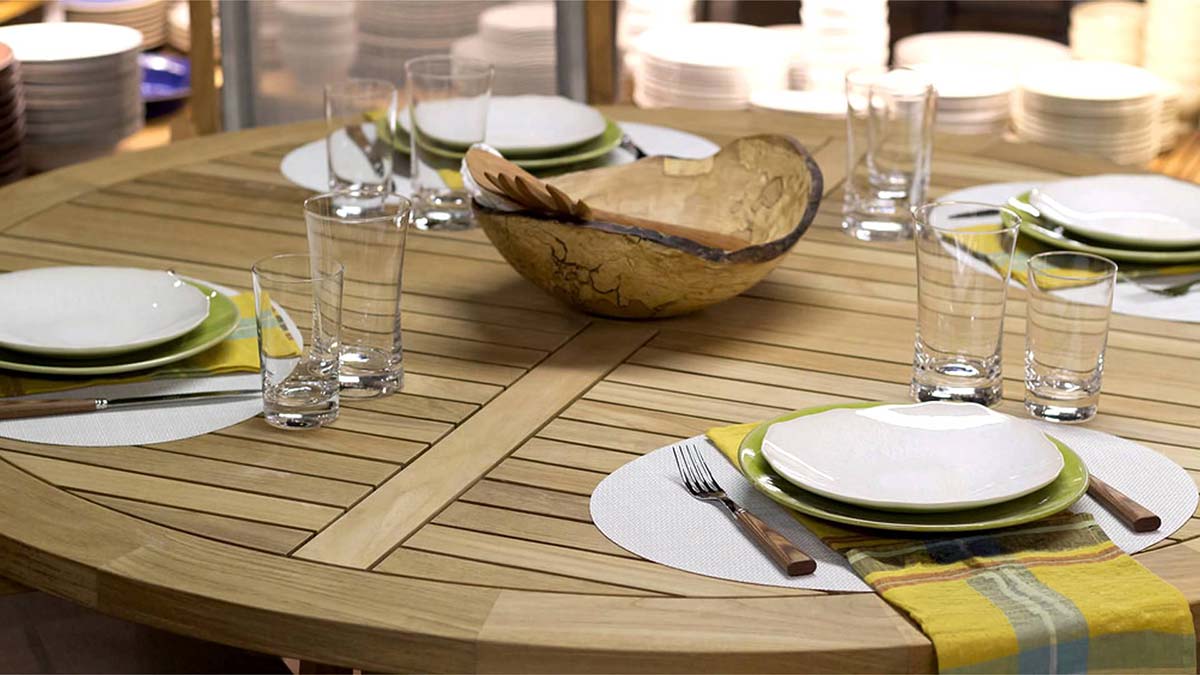
When we set a table this time of year, the bowls usually come out first.
A larger wooden bowl goes in the middle. Something for salad or fruit. It depends on what’s around. Smaller bowls end up spread out across the table. Nuts. Olives. Citrus. Whatever makes sense that day.
Then the boards follow.
A long board for bread. Something wider for cheese or vegetables. It’s not arranged in a precise way. You’re just building out the table as you go.
The wood does some of the work for you. It gives the table weight so everything else doesn’t feel scattered.
After that, color starts to show up.
Early in the season, it stays simple. Linen. A handful of radishes with the greens still on. Later, it shifts. Strawberries. Herbs in jars. Maybe a patterned cloth if things feel further along.
We don’t think in terms of a finished look. It’s more about what’s actually available here at that moment.
Spring tables in our homes, and in the workshop, don’t match perfectly.
There are bowls that have been used for years. You can see it in the surface. Some boards carry old knife marks. Plates come from different sets.
None of that gets corrected.
What matters is what’s on the table and where it came from. Food that grew nearby. Bowls and boards that came from trees that stood in the same weather not that long ago.
The rest fills in around that.
Wood is just one part of it. Linens help. Flowers help. So do the pieces you already have.
In the sections that follow, we’ll point to a few spring table ideas from cooks and designers we like. Different approaches, different styles.
You can take what fits and leave the rest.
Spring Table Ideas From Friends Around the Web
The ideas below come from cooks, stylists, and design writers who pay close attention to how a table feels in spring. Each one brings a slightly different lens. All of them can work alongside wooden bowls and boards.
1. A Pinterest Board Full of Spring Tables
When people start looking for ideas for any kind of decorating or DIY, they often go to one place first. Pinterest.
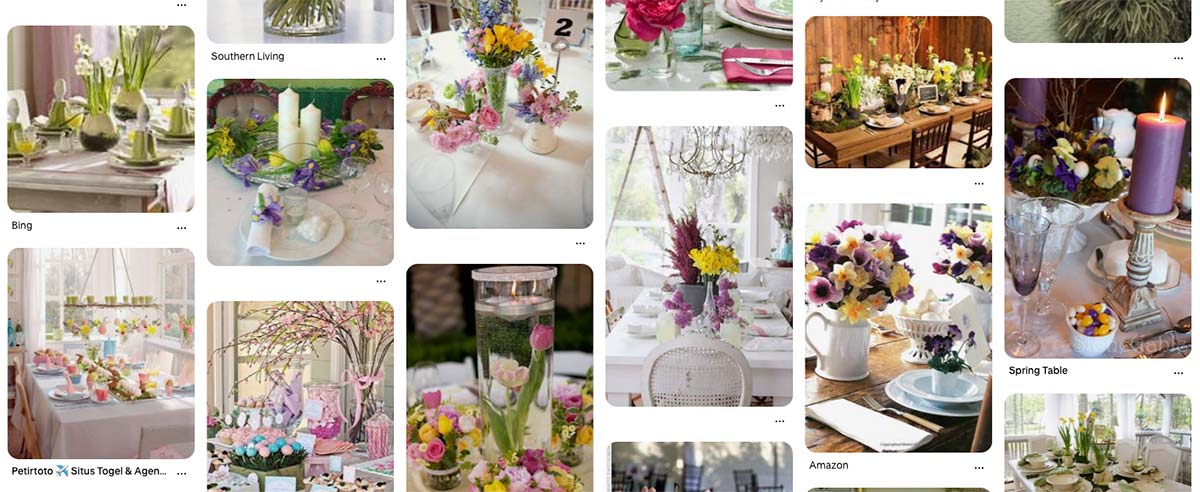
There are hundreds of spring table boards there. Some feel very formal. Some lean heavily into holidays. The board we keep coming back to lands in the middle. The tables look gathered, not staged. You see real plates, simple glass, and flowers that could have come from a local market or a yard.
What we like most is the mix. There are pale linens and soft pastels, but also wood, wicker, and stone. Centerpieces sit low enough so people can talk. Bowls and boards show up among the vases and candles in a way that feels familiar to us. It looks like the kind of table where one of our salad bowls or breadboards could land without any extra planning.
If you only click one link while planning a spring table, this kind of Pinterest board is a good place to start. Scroll until something feels close to home, then build from what you already have on your shelves.
Visit this Pinterest Board for great ideas!
2. Elle Decor – Layered Spring Centerpieces
Elle Decor’s “30 Pretty Spring Table and Centerpiece Ideas” gathers a wide range of spring tables, from very formal to relaxed. There are single‑flower arrangements in bright colors, mixed garden flowers in loose vases, tonal tabletops built around one hue, and playful Easter details like rabbits and baskets.
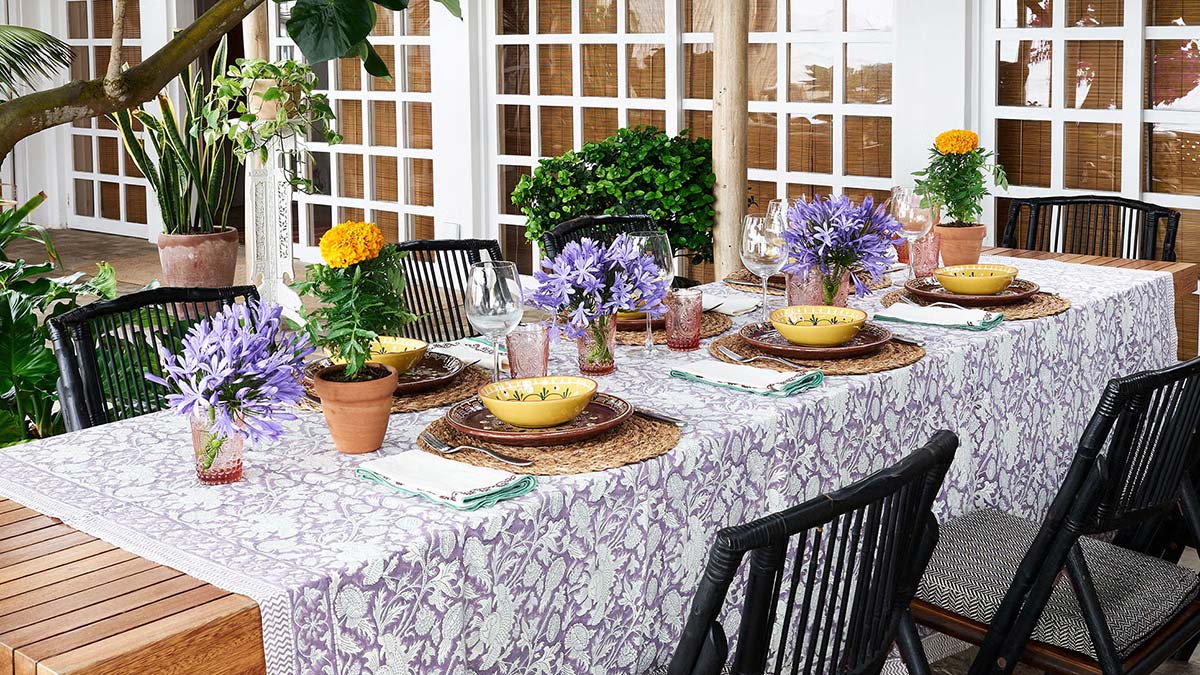
This is a good place to see how flowers, china, and glassware work together when designers are thinking about the whole picture. A wooden salad bowl or fruit bowl can sit beside these centerpieces as the grounded, everyday piece that still feels at home with lace runners, colored glass, and old family plates.
3. The Spruce – Simple Centerpieces for the Whole Season
The Spruce offers a guide to spring centerpiece ideas that runs from very easy to slightly more involved. There are clear glass vases with single flower types, bowls and trays filled with fruit, arrangements that mix branches with blooms, and a few Easter‑leaning ideas that use eggs and nests.
This article is useful if you want to pick one idea and repeat it all season. A low glass vase with tulips can live beside a wooden salad bowl without blocking conversation. A wooden board or shallow bowl can stand in for the trays and baskets they show, filled with citrus, candles, or small potted plants.
4. Saffron Marigold – Patterned Spring Linens
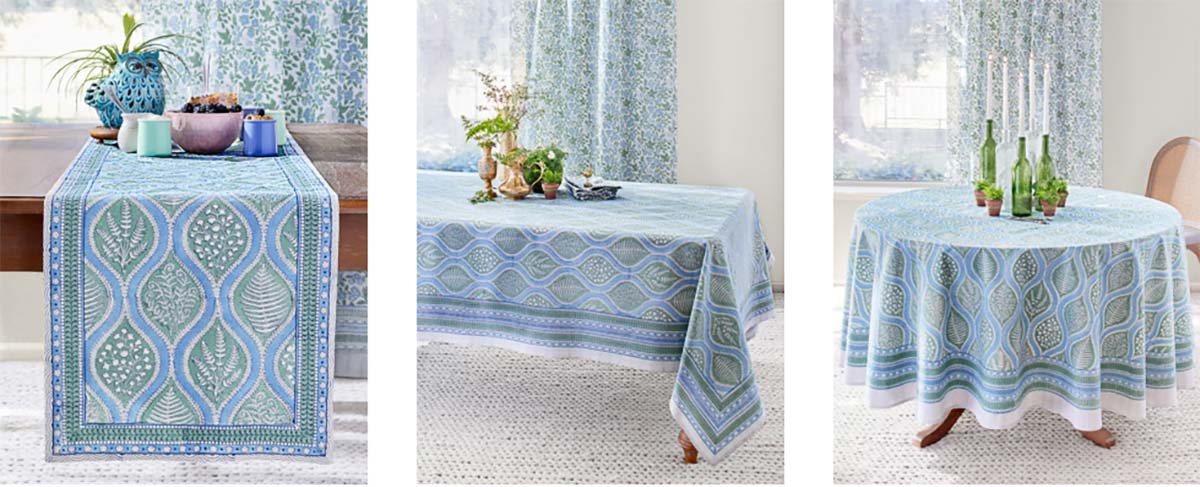
Saffron Marigold’s spring table stories focus on hand‑printed textiles. They show full tables dressed in block‑printed cloths and runners, then break those looks into smaller ideas: an English‑garden floral, a blue‑and‑white setting, a softer green and gold pattern.
If you like the idea of letting the cloth carry most of the color, this is a strong place to look. A simple cherry or walnut bowl, or a driftwood‑finished board, sits calmly on top of those prints. The wood adds texture without competing with the pattern.
https://www.saffronmarigold.com/blog/spring-table-settings/
5. Café Sucre Farine – An Easy Spring Table at Home
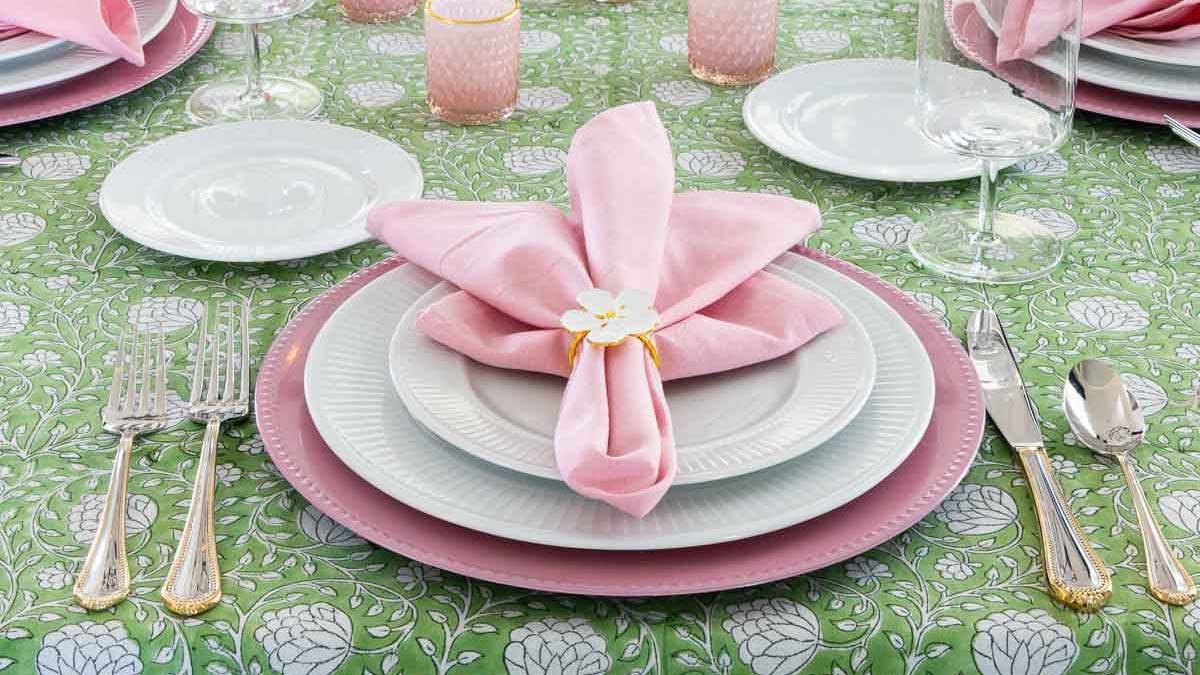
Café Sucre Farine walks through a spring table that feels like a real meal, not a photo shoot. Soft greens and pinks, simple white plates, everyday glassware, and a handful of easy touches like tied flatware and small bud vases.
If you like concrete direction, this piece helps. It shows exactly how one family pulls a table together from what they own and a few seasonal pieces. A wooden salad bowl at the center, or a breadboard down the middle, would fit into this scene without needing any extra styling.
Visit Café Sucre Farine for more
6. ArtDigest – A Guide to Spring Table Decorations
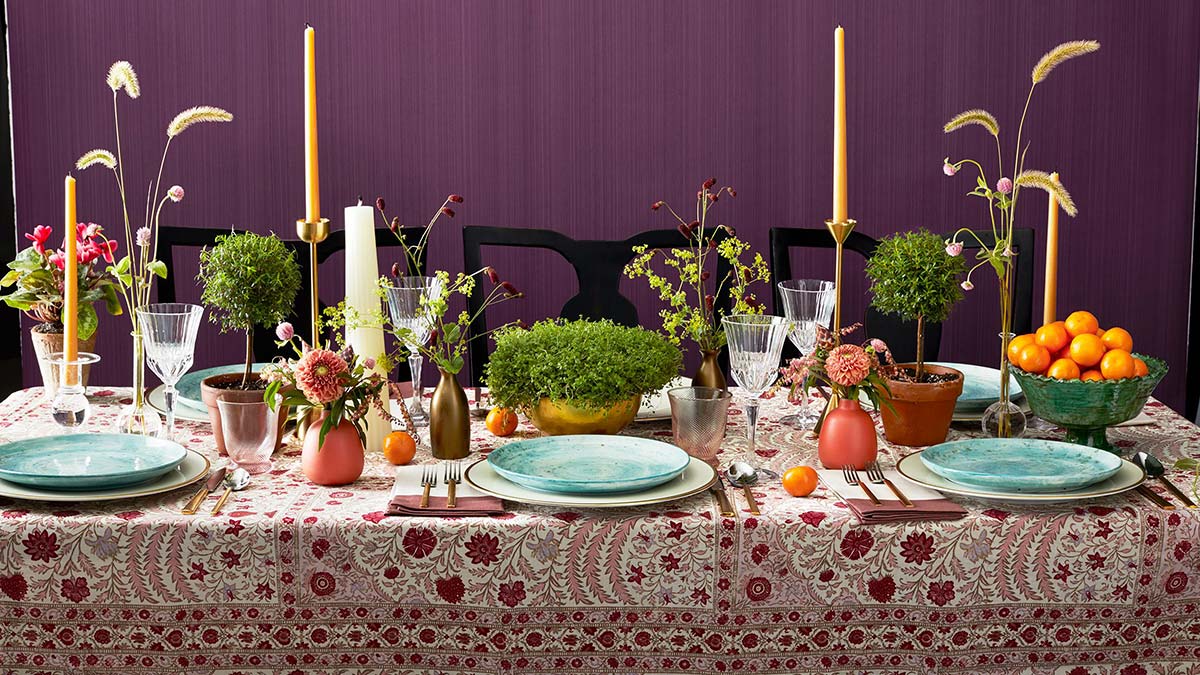
ArtDigest offers a guide that breaks spring tables into a few clear themes: floral centerpieces, pastel color palettes, nature‑inspired details, and layering linens with plates and glass. Each section has examples and simple tips, more like a checklist than a story.
This is a good stop if you like to build a table in steps. Choose one idea, maybe “nature details”, and bring it in with branches in a jar or a wooden bowl filled with moss, eggs, or citrus. Then decide if you want to add pattern or keep the rest of the table quiet.
7. Spring Centerpiece Video Inspiration
For people who like to watch a table come together step by step, video can be helpful.
For you, here are a couple of great videos to inspire.
8. Quick Spring Reels and Short Guides
Short‑form posts and reels offer quick ideas in motion.
Café Sucre Farine shares reels that show a plain table turning into a soft spring setting in a few short clips: cloth down first, then plates, simple glassware, flowers, and small finishing touches. Another spring reel walks through a light, pastel tablescape with greenery, taper candles, and stacked plates, all in under a minute.
These clips are useful when you want to borrow just one detail rather than follow a full plan. You might copy the way citrus is scattered down the center, how napkins are folded, or how flowers are grouped. A wooden bowl can slip into any of those ideas as the place where salad, fruit, bread, or even a small centerpiece finds its home.
Bringing It Back to Your Own Table
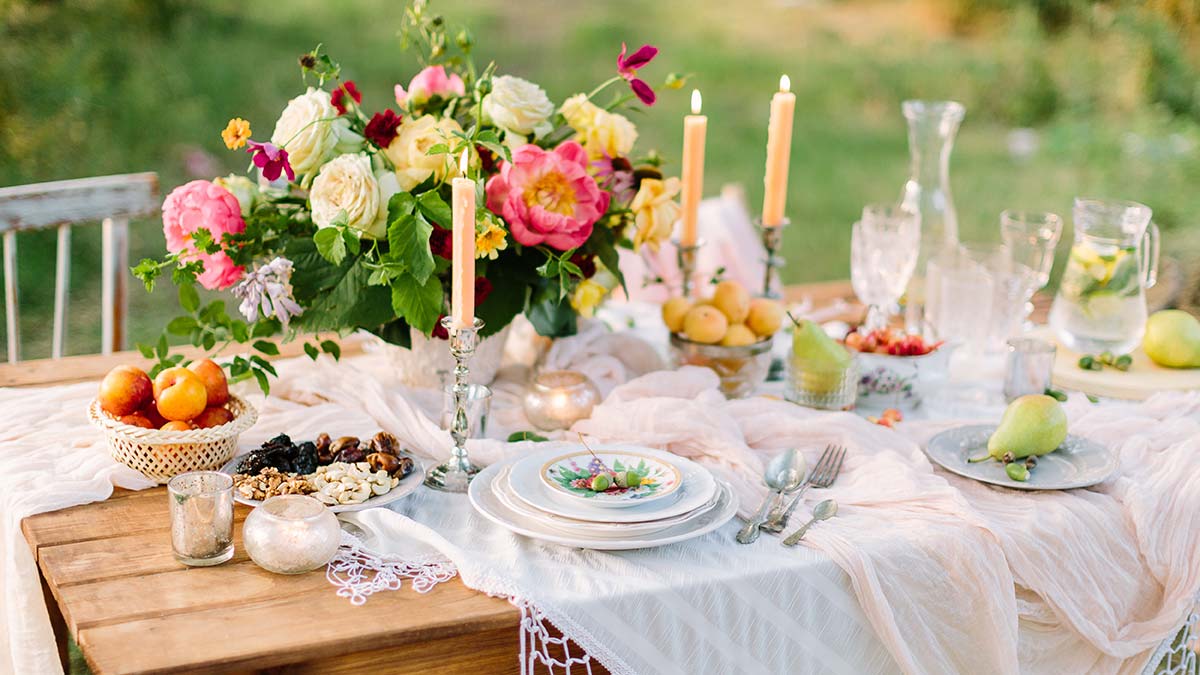
All of these ideas are starting points. None of them know your table, your light, or the weather outside your kitchen window.
Here in western Massachusetts, spring arrives slowly. Snow melts in patches. Markets open with only a few early greens at first. We bring those into the shop, or into our homes, and they almost always find their way into a wooden bowl or onto a board before they reach a plate.
The tables we remember most are rarely perfect. A favorite bowl might carry a small mark from years of use. A board might show a line from an old knife cut. Plates may come from more than one set. What ties everything together is the feeling that the table belongs to the season and to the people around it.
If a hand‑turned bowl or board can help with that, holding salad, bread, fruit, or flowers, then it has done its work. The rest can come from whatever you already own, plus a few good ideas from cooks and designers who love spring as much as we do.