From Winter Comfort to Spring Greens
By late February, our salad bowls have already done a lot of work. They’ve held big winter salads next to pots of soup. They’ve been carried to the table with roasted vegetables piled high. They’ve dried upside‑down on a towel while snow slid off the roof outside.
We don’t box them up when the weather shifts. The same hand‑turned bowls that feel right beside a heavy stew in January look just as at home under spring greens and citrus in April. Wood doesn’t belong to one season. It just keeps showing up.
Winter Bowls: Hearty Greens and Warm Sides
In the cold months, “salad” in our house often means something warm tucked into greens. A large bowl of kale or mixed leaves will catch roasted squash, potatoes, or carrots straight from the pan. A handful of farro or lentils goes in. A little cheese. Some nuts if we have them. It’s the kind of meal that doesn’t need a recipe, just a good bowl to land in.
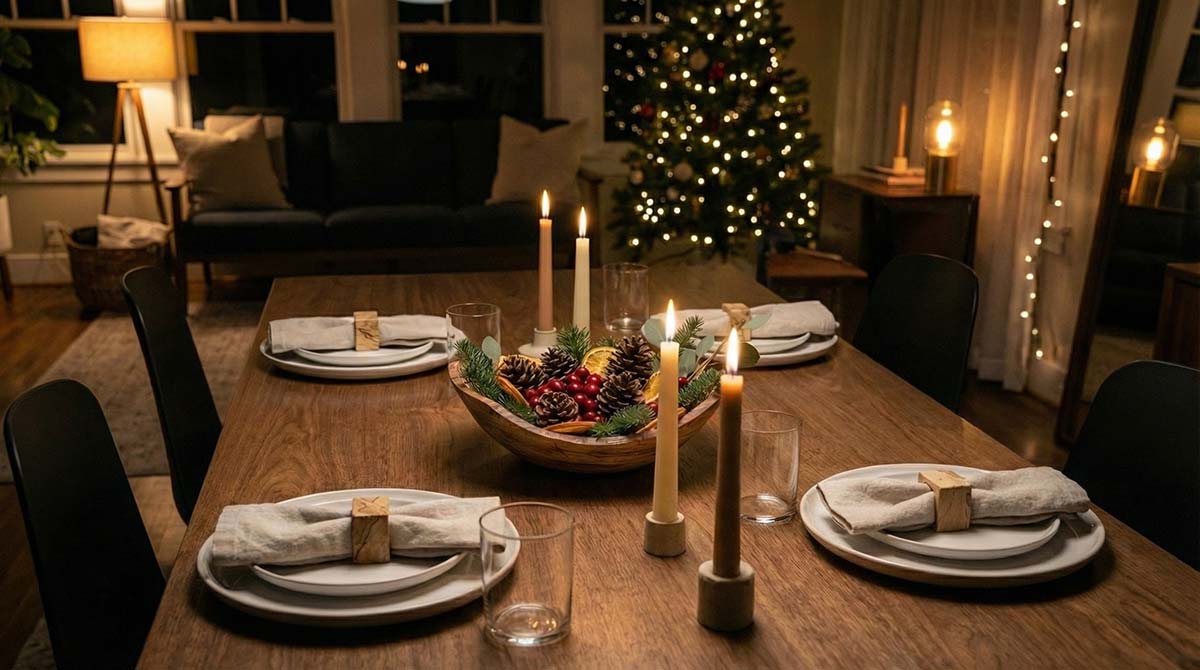
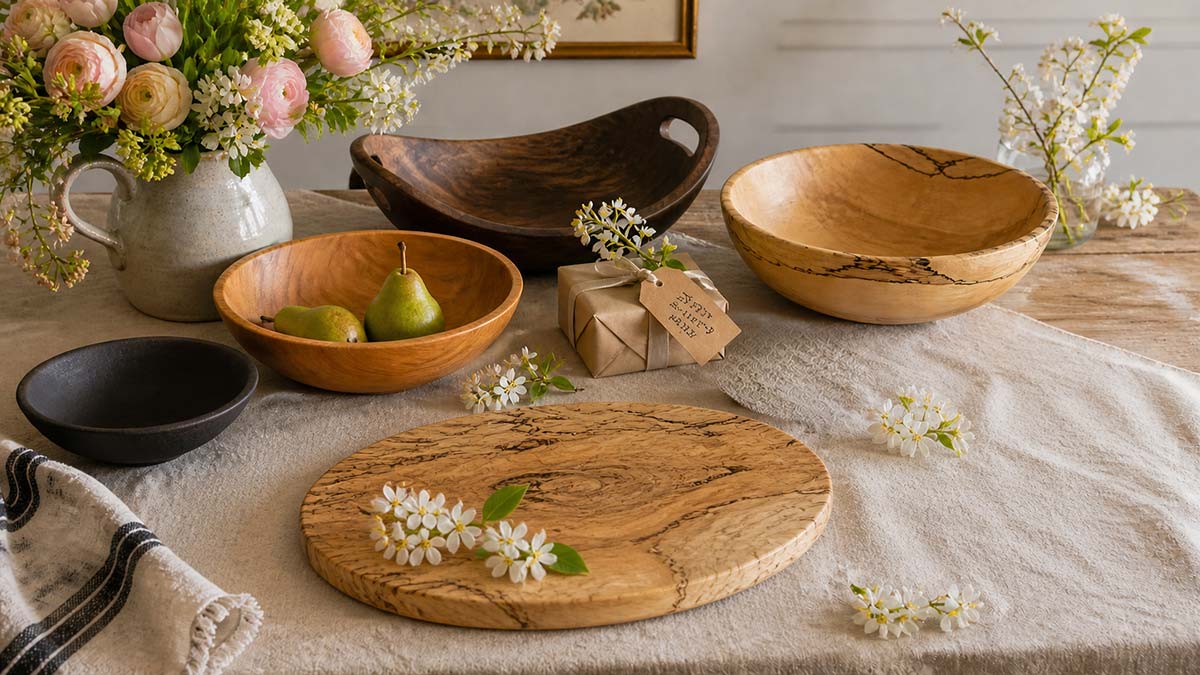
On deep snow days, we usually reach for the 15-inch black walnut bowl. It’s heavy. It holds its place in the center of the table.
The dark grain sets off winter greens without much effort. There’s room for serving tongs, room for seconds.
If we’re feeding more people, that bowl stays put while everything else moves around it. Soup simmers. Bread gets sliced. The walnut bowl just holds whatever greens we’ve pulled together.
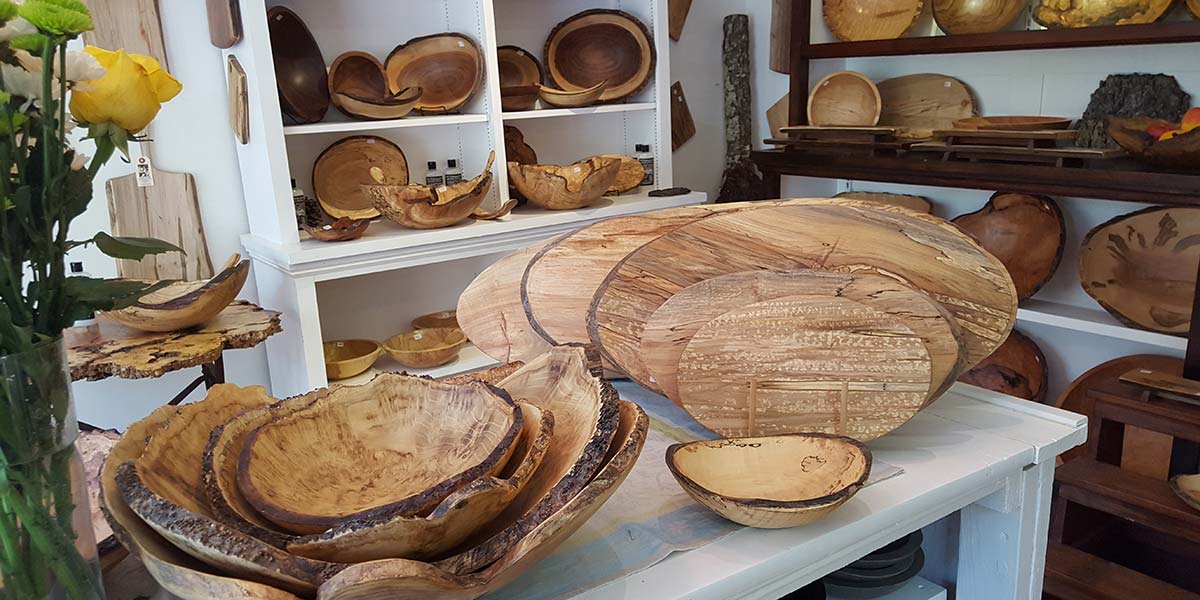
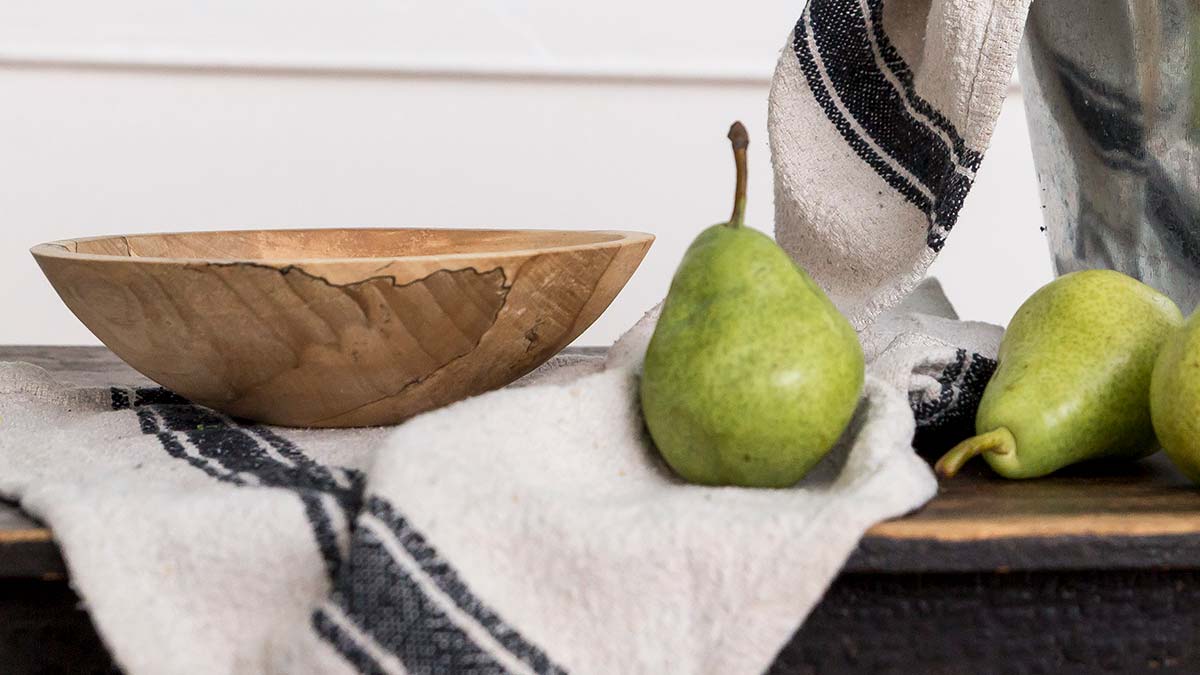
We notice the wood itself more in winter. The way the curve of the rim feels warm in your hands. The way the grain in a large spalted maple salad bowl carries pale streaks and dark inked lines under roasted beets or sweet potatoes. Each washing and oiling adds another layer of character. By February, a bowl that was new in the fall already feels like it belongs to the house.
Early Spring: Lighter Greens, Same Bowls
Spring doesn’t arrive all at once here. For a while, there’s still snow in the shadows while the first sharp greens show up at the market. Our bowls don’t change for that in‑between time. What we put in them does.
We start seeing tender leaves again. Arugula. Baby lettuce. Young spinach. Those go into the larger wooden bowls, dressed lighter than they were in winter. Olive oil and lemon most nights. Sometimes a little mustard shaken into a jar.
Radish or fennel gets sliced thin and tossed in. Nothing complicated.
When the brighter salads show up, we reach for the 15-inch spalted maple more often. The pale surface makes citrus slices and strawberries stand out. You can see everything clearly against it.
Some evenings the bowl ends up outside. It moves from the counter to the porch table. Salad beside grilled bread or vegetables. Same bowl, different setting.
That’s really all that changes.
Easter and Mother’s Day at the Table
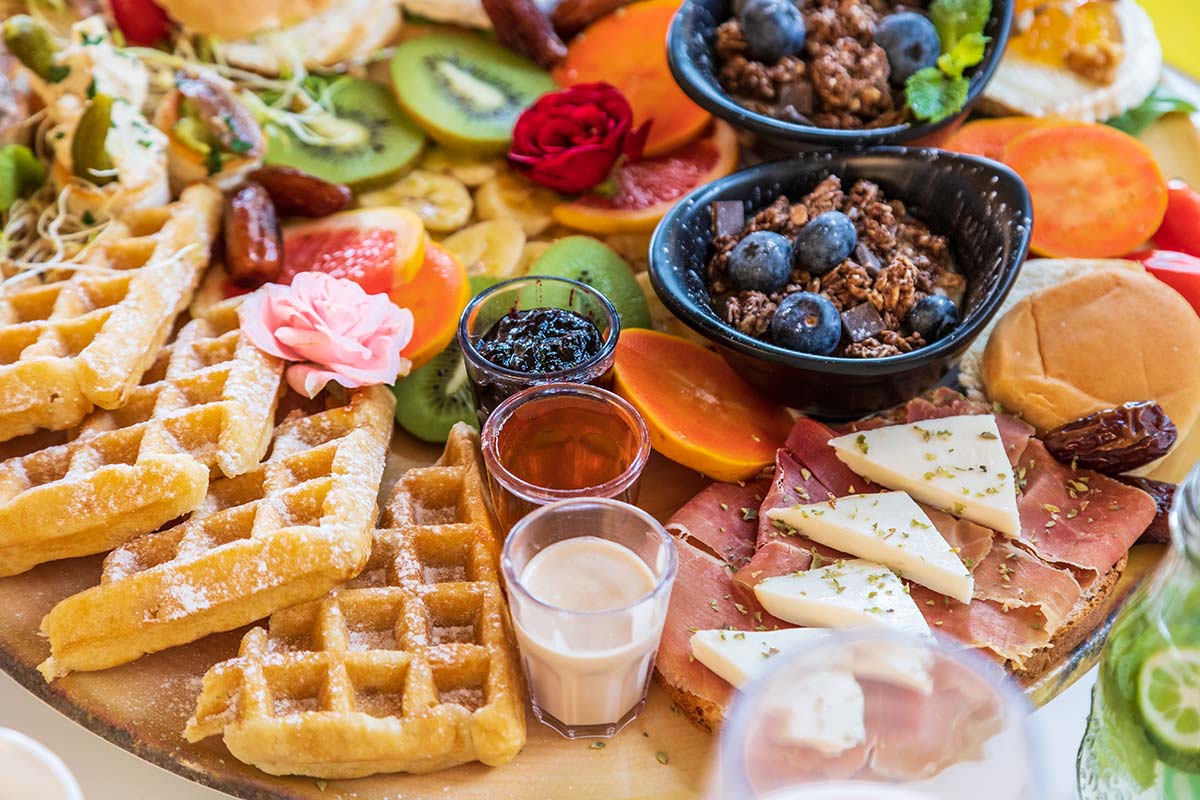
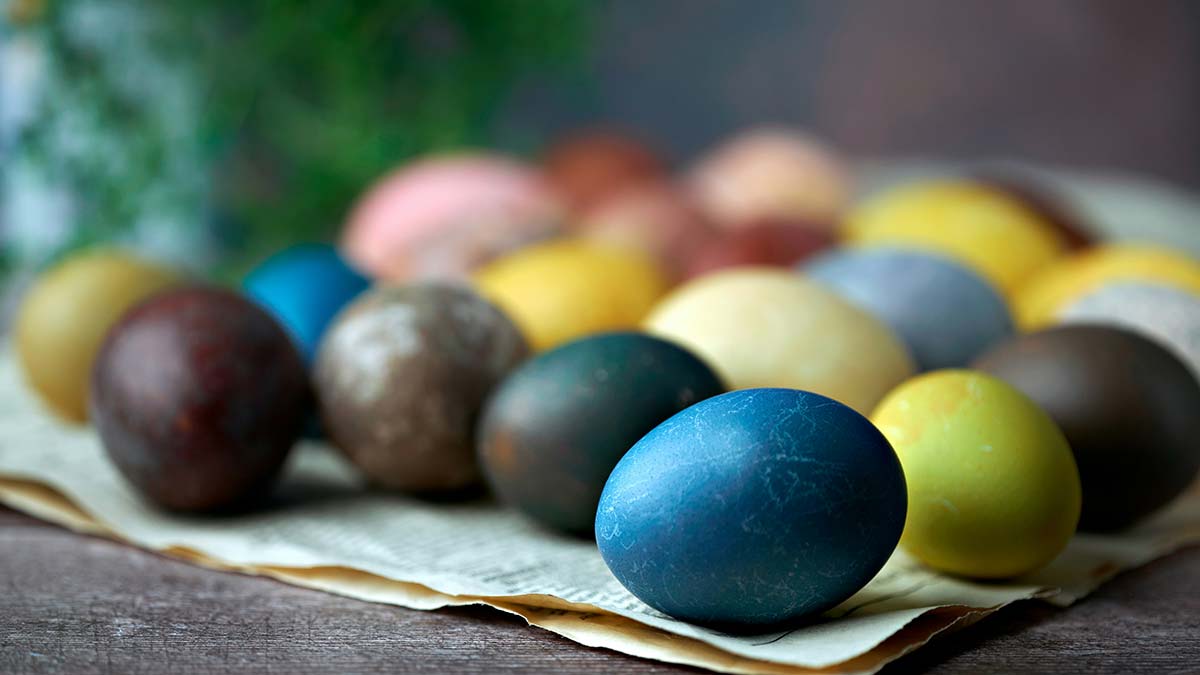
Our salad bowls rarely miss the spring holidays. Easter brunch is usually less about matching napkins and more about what ends up in the middle of the table. A big wooden bowl nearly always shows up holding a mix of greens, citrus, maybe a few early berries if we’ve found them in time. It’s the kind of salad that people actually reach for before the eggs are gone.
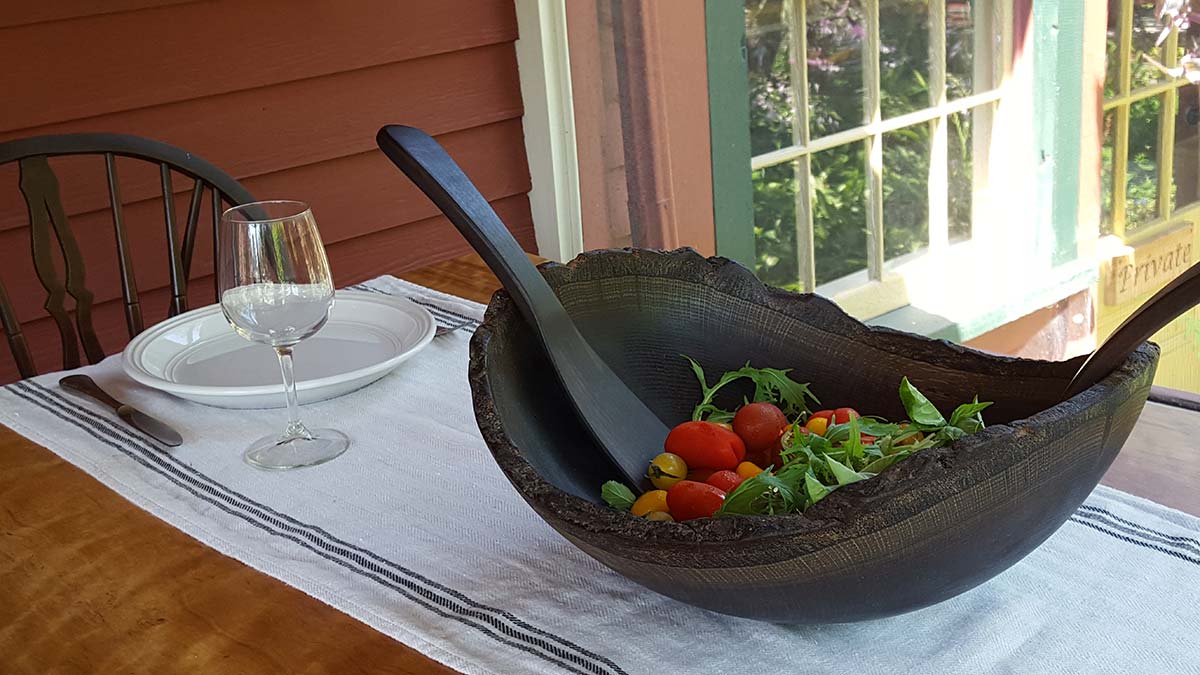
By the time Mother’s Day comes around, the trees are leafing out and the bowls have had a little care. We’ll often give them fresh oil in early spring—our food‑safe finish worked in by hand until the surface looks awake again. A 15‑inch large live edge black ebonized oak bowl, with its dark rim and raw edge, makes a striking home for bright greens on those days. It does double duty as salad bowl and centerpiece. People comment on it even before they know what’s inside.
We like that these bowls feel like something you can hand down without having to treat them like museum pieces. They come to the table full. They get passed from hand to hand. They go back to the sink with a few dressing trails on the sides. That’s the kind of history we want them to collect.
The Boards That Travel With the Bowls
When a salad bowl comes out, a board usually isn’t far behind. On soup nights or simple suppers, we’ll lay bread and a few extra things on a long board and let it keep the bowl company.
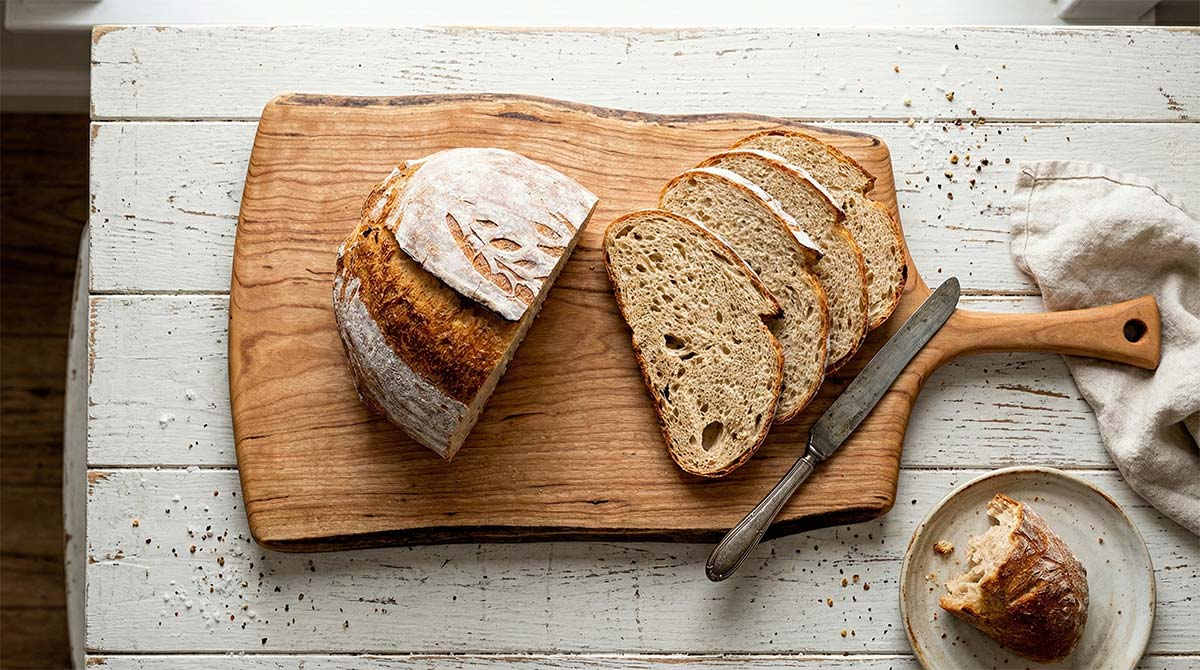
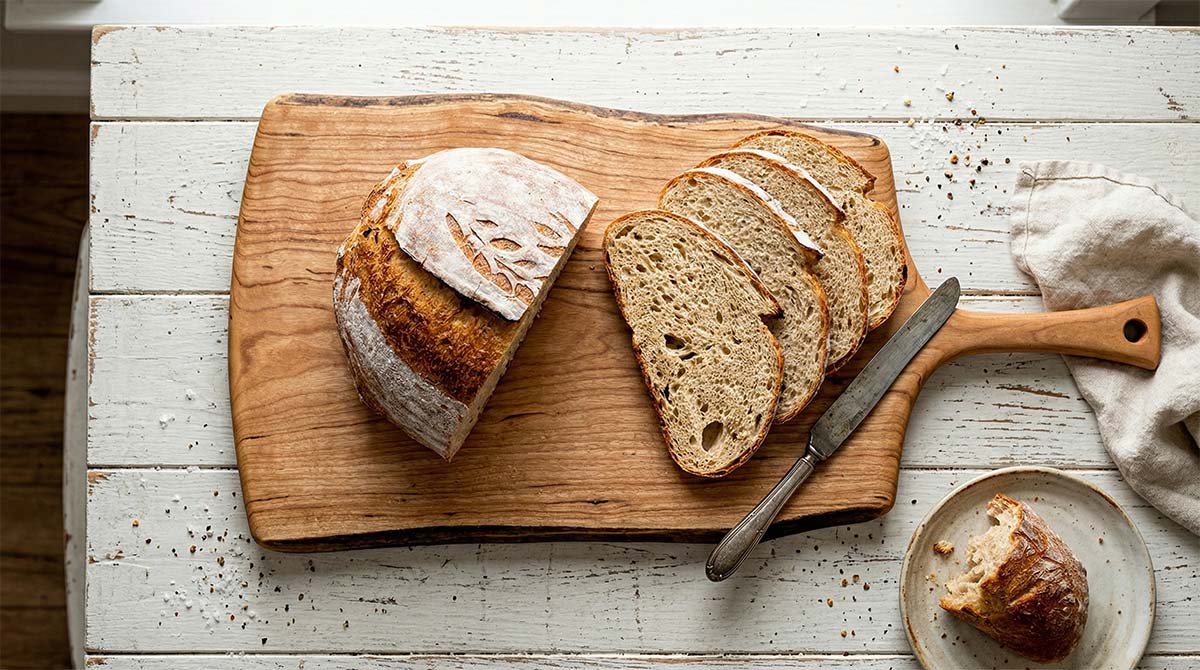
A large live edge cherry wooden cutting board with handle has become one of our go‑tos for this. The handle makes it easy to carry from counter to table, even when it’s loaded with sliced baguette, a small wedge of cheese, and a little dish of olives. Set next to a walnut or spalted maple salad bowl, the cherry brings its own warmth to the mix.
Other nights we reach for the large spalted maple round wooden cutting board. Sometimes it holds bread. Sometimes a small second salad, or fruit to pass around after the plates are mostly empty. When the round board and a spalted salad bowl are on the table together, their matching grain makes it look like the tree is still telling its story in two different voices.
How We Think About Bowl Size at Home
People often ask us what size bowl they should buy. We have charts, and they’re helpful, but at home our choices are simpler.
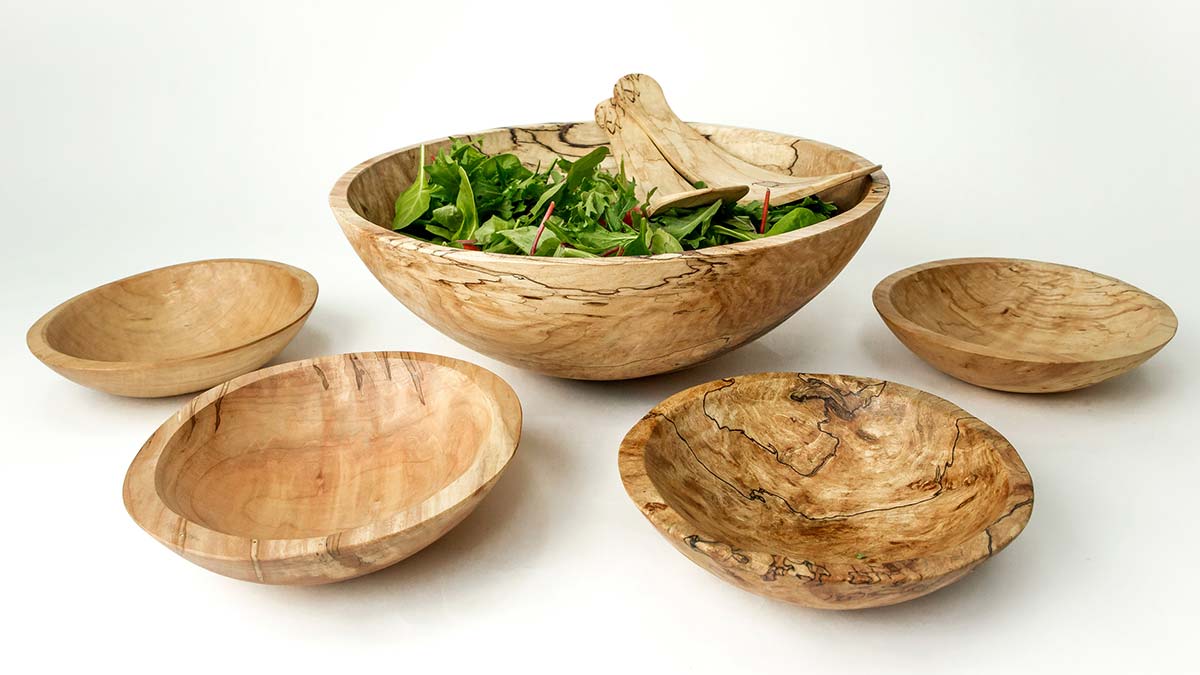
If it’s just two of us and the salad is a side, a smaller bowl feels right—something that sits easily in one hand and doesn’t tower over the rest of the meal. When salad is the main event for two or three, we’ll reach for a medium bowl and fill it until the greens sit high enough to invite a serving spoon. It looks generous, not overwhelming.
For a table of six or more, the big bowls come down from the shelf. The 15‑inch size is the workhorse here. It can carry a huge amount of salad if you need it to, but it also holds the center of the table even when it isn’t full. You can see every swirl of grain under the leaves. It reminds you that what you’re passing around once stood as a tree.
Caring for Salad Bowls Through the Seasons
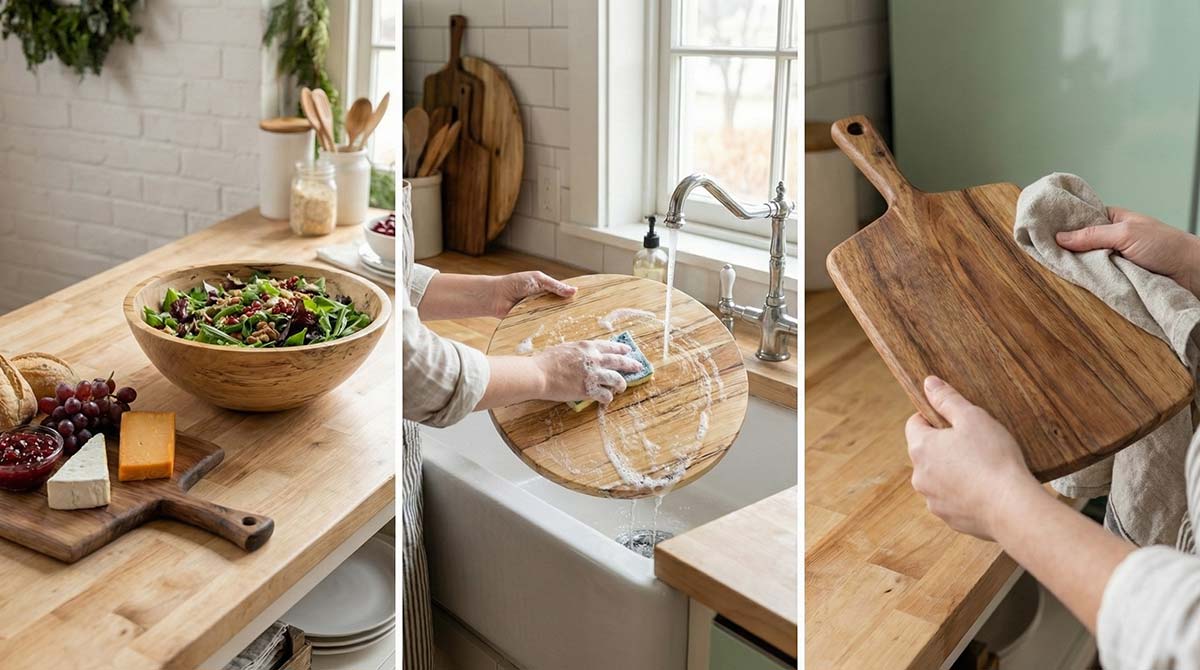
Using wooden salad bowls all year means taking care of them. We wash ours by hand in warm water with mild soap. Then we dry them right away and leave them on the counter until there’s no moisture left. No soaking. No sitting in the sink.
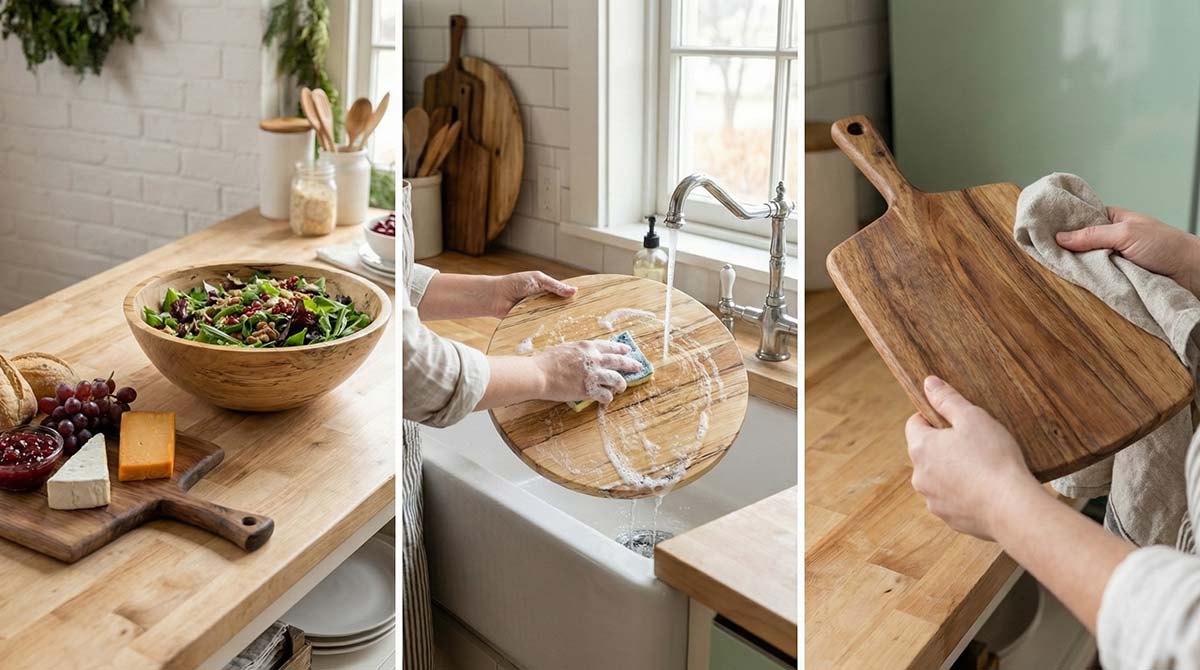
A few times a year, and more often in winter if the house feels dry, we oil them with a food-safe finish. We use a soft cloth and work it in by hand. It doesn’t take much. The surface darkens slightly as it absorbs the oil.
We store the bowls where air can move around them. Not next to the stove. Not in direct sun. After a while, you’ll see small fork marks or a faint ring from dressing that sat too long. That’s normal.
It means the bowl is being used.
Why These Bowls Stay Out, Not Away
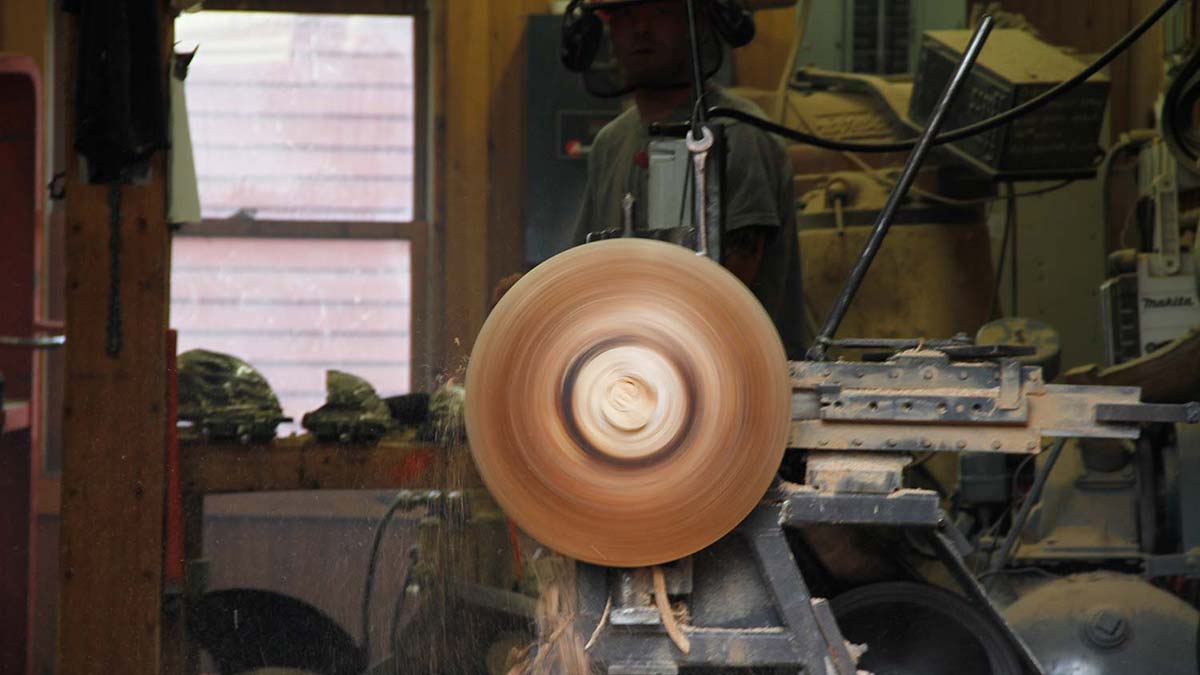
We make salad bowls because we like living with them. That’s the simple truth. Logs come into our New England workshops marked by weather and time. We cut into them, turn them, watch the grain rise and change, and somewhere along the way it becomes clear whether a piece wants to be a deep winter salad bowl, a wide spring centerpiece, or something in between.
Once these bowls leave the workshop, we hope they don’t spend much time in cupboards. We picture them on tables in January and in June, filled with whatever the season offers. We picture them years from now, a little more worn, still doing their job. That’s how we use ours. All year.