What is ambrosia maple? While the term might remind you of Greek mythology and the immortality-giving “nectar of the gods,” ambrosia wood has far humbler origins: a tiny beetle which burrows into wood, creating striking, unique patterns.
Ambrosia maple is simply the wood harvested from maple trees affected by the ambrosia beetle in this way.
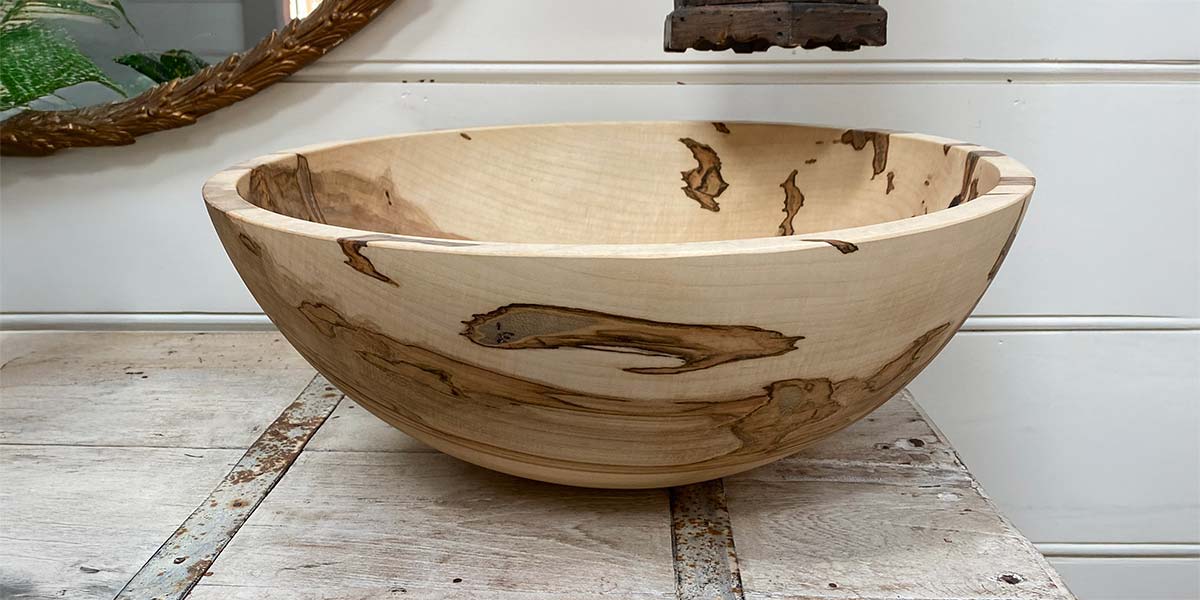
While ambrosia beetles can be found in many types of wood, at Spencer Peterman we work with locally and sustainably sourced ambrosia maple. All of our ambrosia maple bowls are adorned with one-of-a-kind natural markings created by the ambrosia beetle.
The ambrosia beetle is a symbol of transformation, which only seems appropriate for an insect that can turn a simple piece of wood into a natural, lasting work of functional art
What is Ambrosia Maple Wood?
Ambrosia maple starts out as a normal maple tree. What changes it comes later.
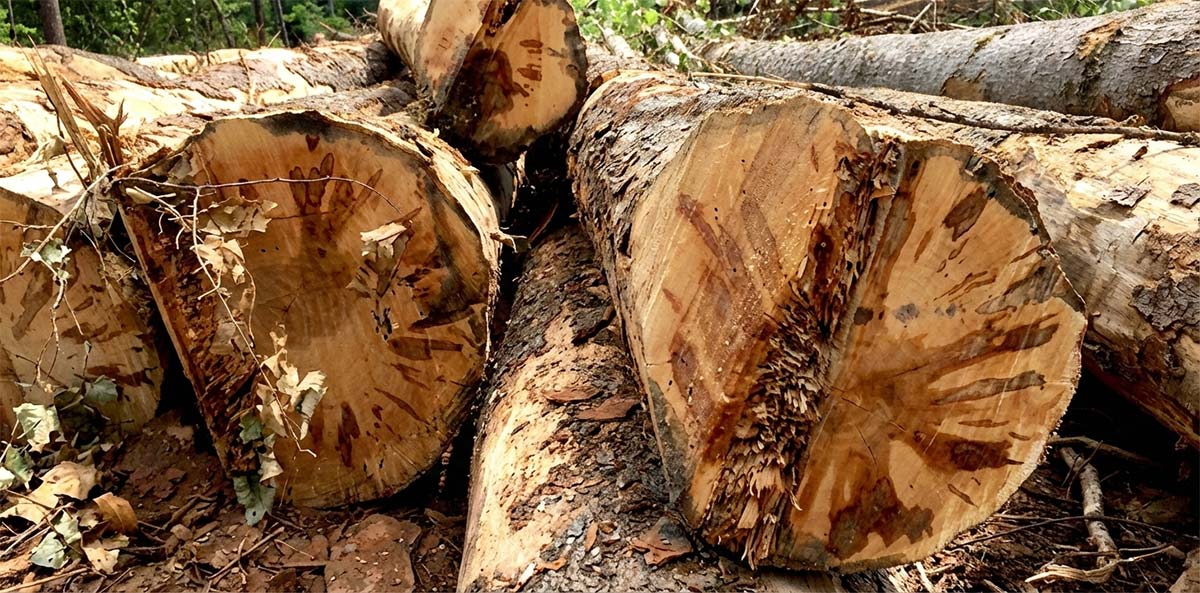
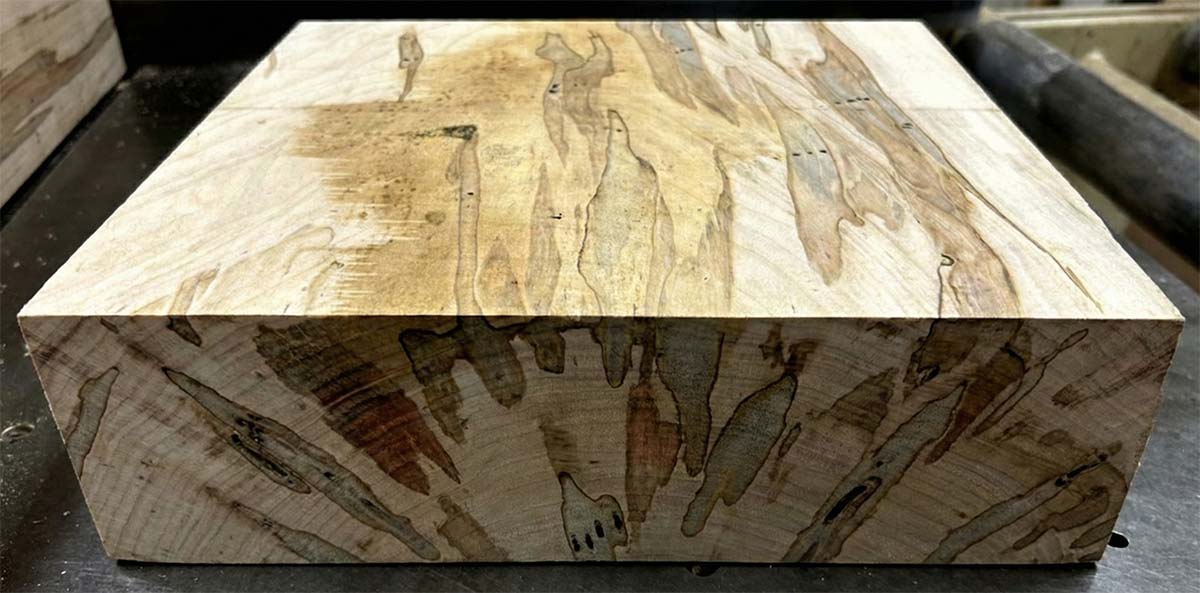
A small beetle moves into the sapwood and brings fungus along with it. That combination leaves streaks behind as the tree grows and dries. Once the log is milled into lumber, those marks show up clearly in the grain. Some lines stay faint. Others spread and darken. No two boards react the same way.
At Spencer Peterman, ambrosia maple is a favorite for bowls and boards because those markings don’t feel decorative. They feel earned. The patterns come from time, insects, and weather doing their thing. Not from anything added later. What might look like an imperfection at first is often the most interesting part of the finished piece.
What Is Ambrosia Maple?
Ambrosia maple isn’t a separate species of maple. It’s what happens when certain maple trees are altered by insects while the tree is still alive. This is most common in red maple and sugar maple trees.
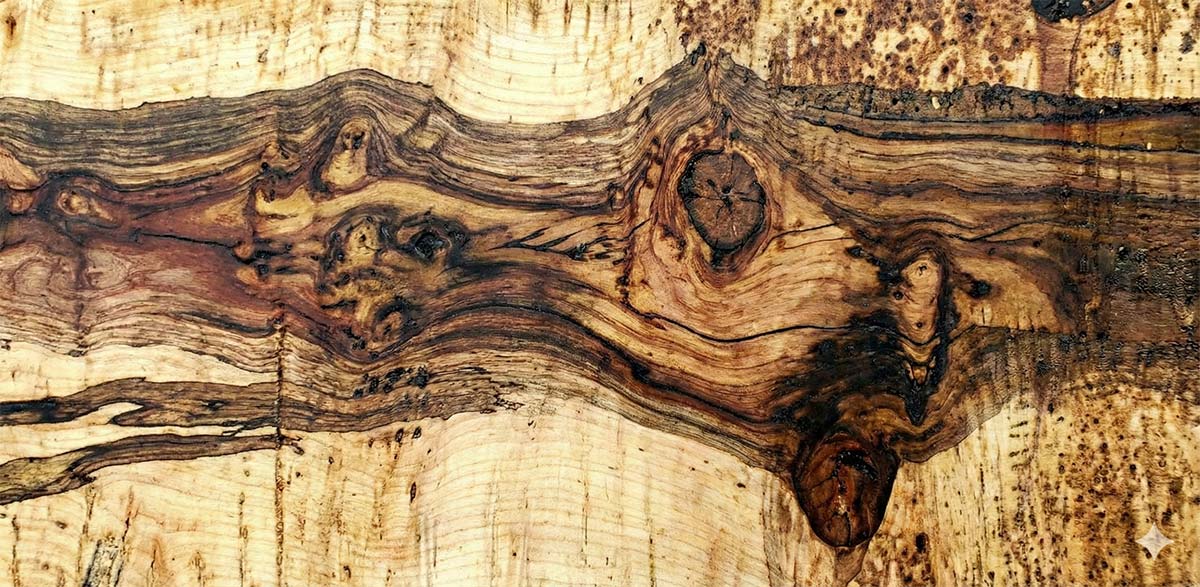
Ambrosia beetles bore into the sapwood and bring fungi with them. As they move, they leave behind streaks and small holes in the wood. That’s where the markings come from. In the lumber and furniture trade, you’ll sometimes hear this wood called wormy maple or ghost maple, depending on how pronounced those marks are.
The streaking stays close to the surface. It shows up in the sapwood, the lighter band just beneath the bark. The inner heartwood usually keeps its familiar warm maple color. Once the tree is harvested and sawn into boards, that contrast becomes visible. The result is maple lumber with natural patterning you won’t see in plain, unmarked maple.
How Ambrosia Beetles Create the Pattern in Maple Wood
Ambrosia beetles are tiny, fungus‑farming insects. They typically seek out stressed, dying, or recently cut trees. They bore narrow tunnels, called galleries, deep into the log, pushing out fine boring dust called frass. You can sometimes spot piled at the base of an infested maple tree.
As they tunnel, these beetles introduce ambrosia fungi from specialized structures in their bodies, inoculating the walls of each gallery. They don’t eat the wood itself.
They “farm” the fungus inside the tunnels. That fungus feeds the adult beetles. It also feeds their larvae. It’s a close relationship between insect and fungus. It’s also where the staining begins.
The ambrosia fungi cause the discoloration you see in ambrosia maple. As they spread through the sapwood, they leave streaks and bands of color that follow the grain. You’ll often see the pattern start near an entry hole and then drift outward.
In some cases, the fungi can clog vessels that move water and nutrients through the tree. A heavily infested maple can decline faster because of that stress.
The lumber can still be structurally sound once it’s carefully selected and properly dried.
Ambrosia Maple vs Wormy Maple and Plain Maple Lumber
In everyday woodworking, “ambrosia maple” and “wormy maple” usually mean the same thing. It’s figured maple lumber marked by ambrosia beetles and the fungi they carry. The result is streaking in the grain, plus tiny beetle entry holes. Up close, those holes can look like “worm holes” scattered across the surface.
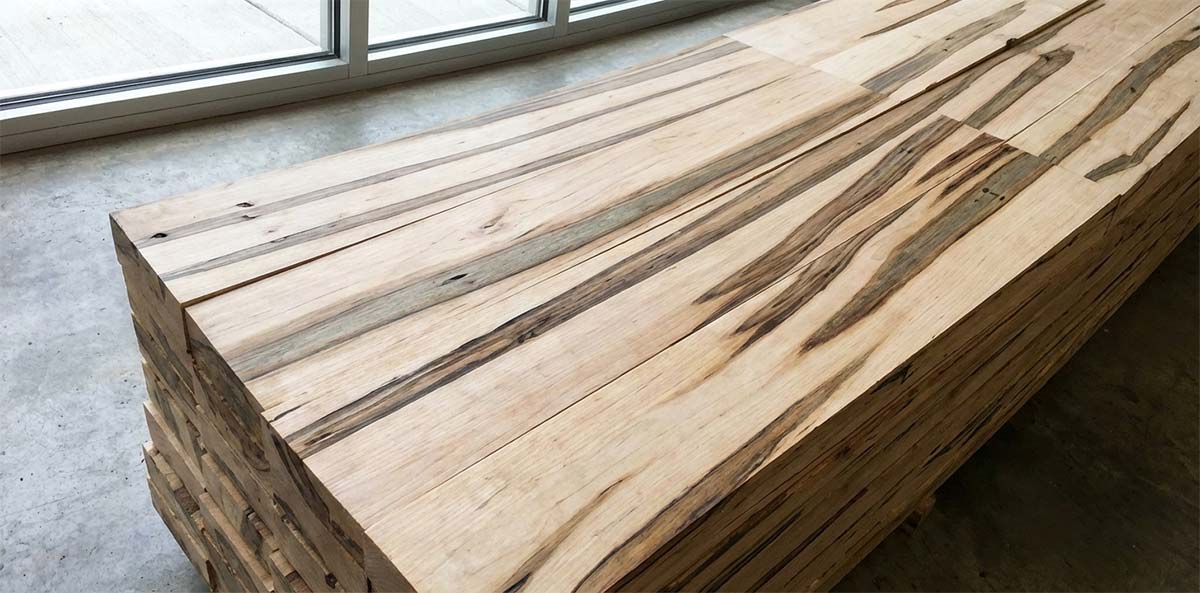
Plain maple looks different. Soft maple and hard maple are often more uniform in color, with straighter grain and fewer surprises. Ambrosia maple doesn’t behave that way. It shows streaks and bands. You might see knots. Some boards read as striped. Others have that pale, hazy “ghosted” look people talk about.
That extra movement in the grain is the point. Woodworkers and furniture makers reach for ambrosia maple when the surface will be seen. Tabletops. Serving boards. A cabinet panel. Even luthiers will use it for things like guitar tops, where the figure and natural patterning are part of the finished piece.
Color, Grain, and Pattern: Why Ambrosia Maple Is a Beautiful Wood
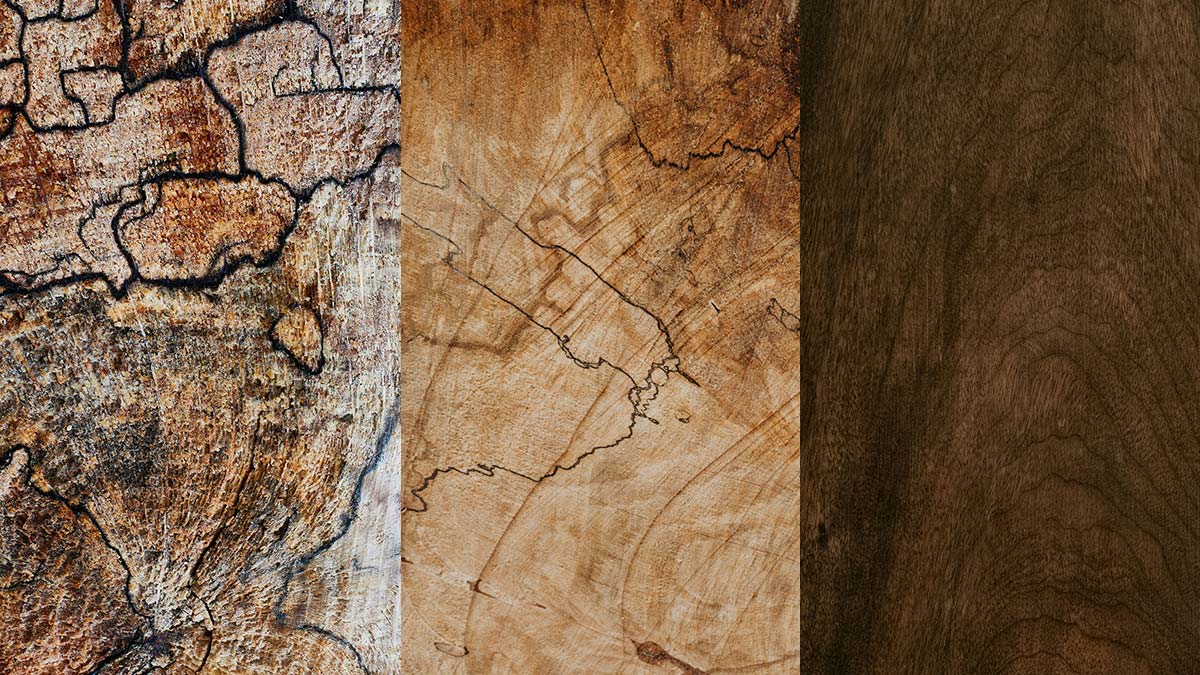
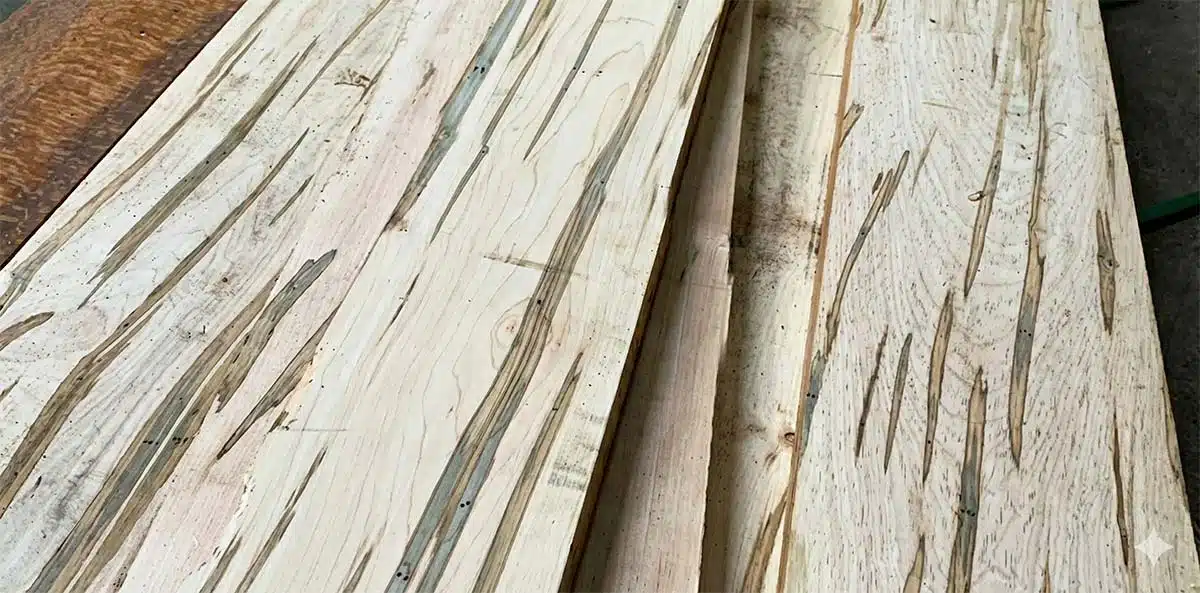
The beauty of ambrosia maple starts with the natural contrast between pale maple sapwood and the darker ambrosia stains. Streaks can range from soft bluish‑gray to warm brown or olive, often tapering along the grain and fanning out from tiny holes where the beetles first entered.
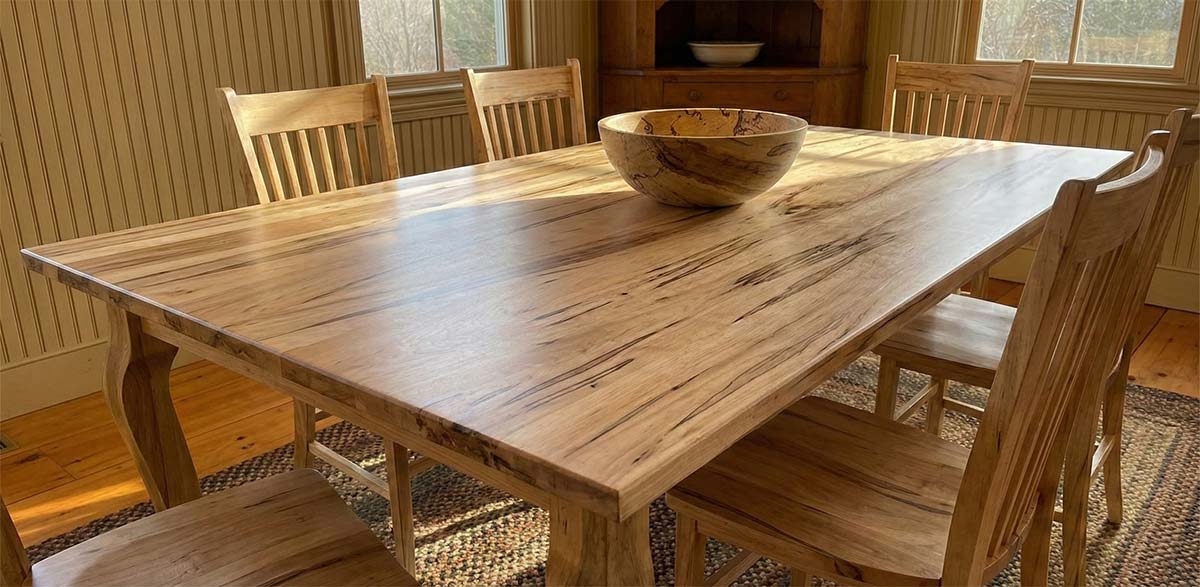
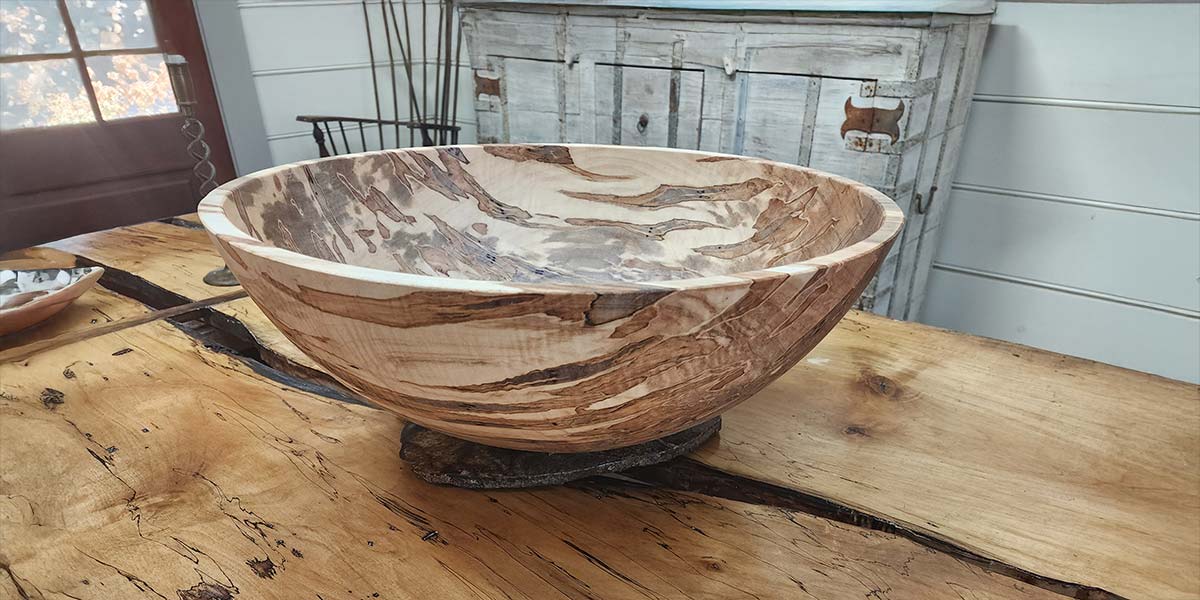
Because each beetle’s gallery network is unique, the pattern on one board—or one bowl—can never be repeated. Sometimes those stains intersect with naturally curly or striped figure in the maple, creating particularly dramatic grain patterns that woodworkers treat almost like artwork in every piece of lumber.
Is Ambrosia Maple a Durable Hardwood? Janka Hardness and Everyday Use
Ambrosia maple is hard because it’s maple. The markings don’t change that.
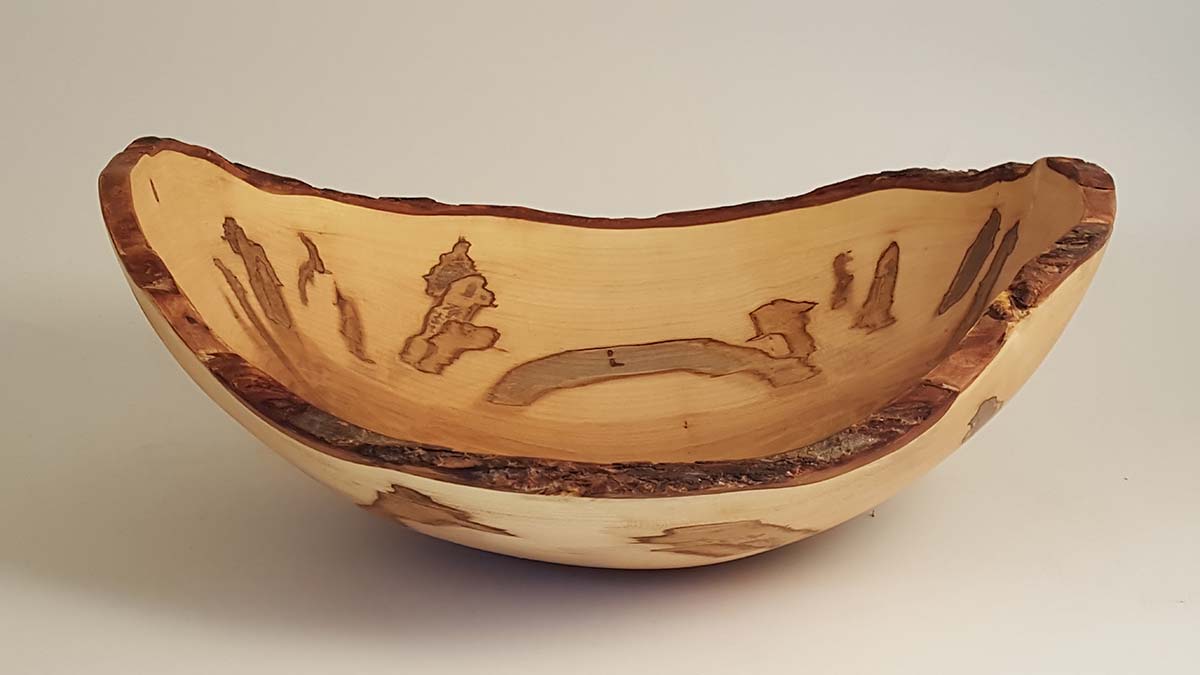
The beetle activity is what creates the streaks, not the strength. In most cases, the wood underneath is soft maple, like red maple. Sometimes it’s sugar maple with staining limited to the sapwood. That’s why the Janka hardness of ambrosia maple usually lands in the same range as other common hardwoods used for everyday furniture and household pieces.
The ambrosia fungus mainly changes the color. In a sound board, it usually doesn’t mean deep decay.
When the wood is carefully selected and properly dried, ambrosia maple used for furniture, butcher block, and kitchenware is typically just as stable and workable as plain maple lumber. It machines well. It turns well. Sanding feels familiar if you’ve worked with other maple species.
Those tiny holes are the one place makers make a choice. If the goal is a glass-smooth tabletop, they may fill them. In more rustic or organic designs, the holes are often left visible on purpose.
Ambrosia Maple vs Spalted Maple
Ambrosia maple and spalted maple get mixed up for a simple reason: both can show dramatic discoloration in otherwise familiar maple wood.
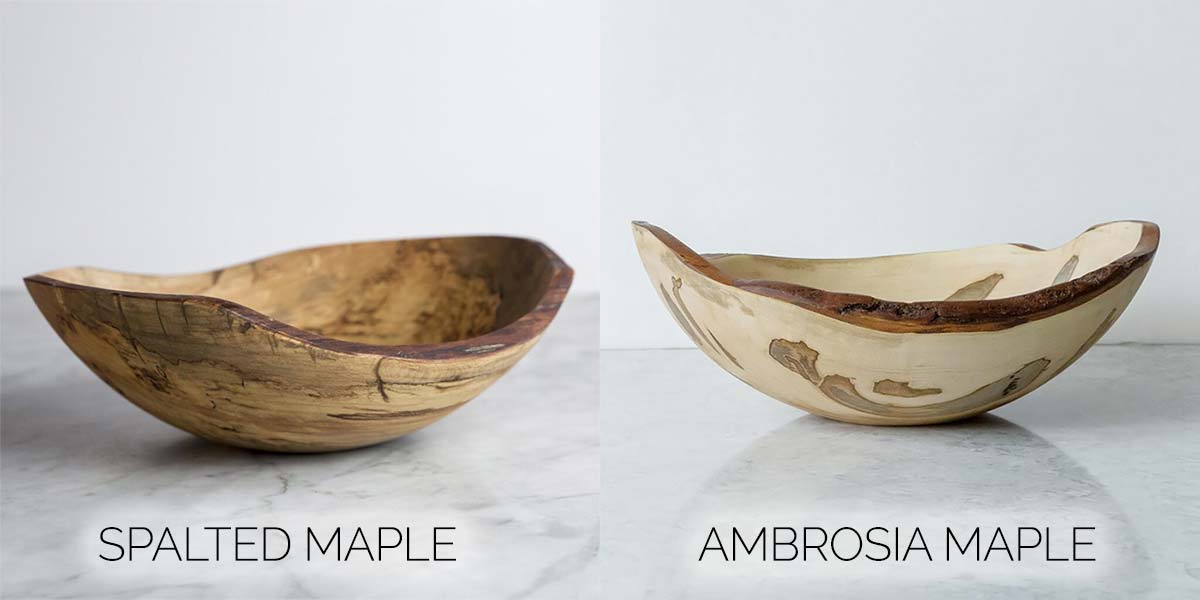
Ambrosia maple has a clear source. Beetles enter the sapwood and leave tiny holes and narrow galleries behind. The fungi they carry do the staining, so the streaks tend to follow the grain and often appear to “radiate” out from those entry points.
Spalted maple happens differently. No beetles are required. Fungal colonies spread through the wood on their own, and the result is usually darker zone lines and patches that cut across the grain in more unpredictable ways. Some boards stay firm. Others develop softer areas if the process goes too far.
At Spencer Peterman, we work with both. The choice usually comes down to the look you want and how the wood behaves in the finished piece, whether it’s a bowl or a board.
From Log to Bowl: How Spencer Peterman Works With Ambrosia Maple Lumber
In the Spencer Peterman workshop in western Massachusetts, ambrosia maple starts out as locally and sustainably sourced maple logs that might otherwise be chipped, burned, or discarded because of their unusual streaks and worm holes. Instead of treating that coloration as a flaw, the team looks for logs whose grain and discoloration suggest especially interesting ambrosia patterns once they’re sawn into maple lumber.
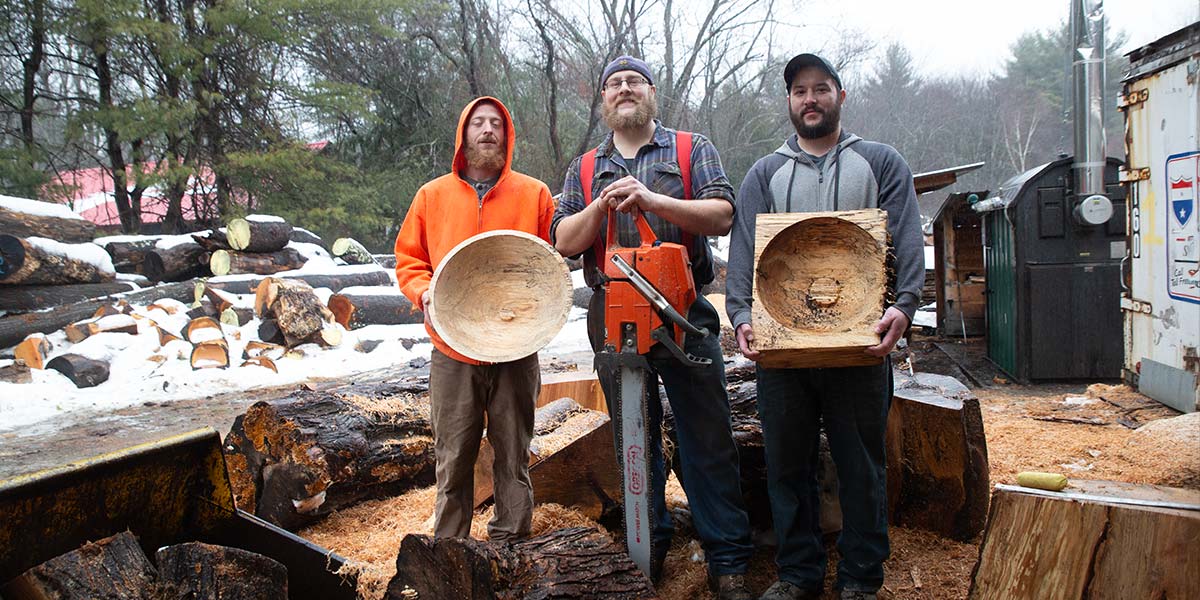
After the logs arrive, they’re milled into blanks and kiln dried to around six percent moisture content. That step stabilizes the hardwood and gets it ready for turning.
Drying matters. It helps prevent future cracking and checking once a bowl or board is finished. It also ensures that any ambrosia beetles or fungi inside the wood are no longer active.
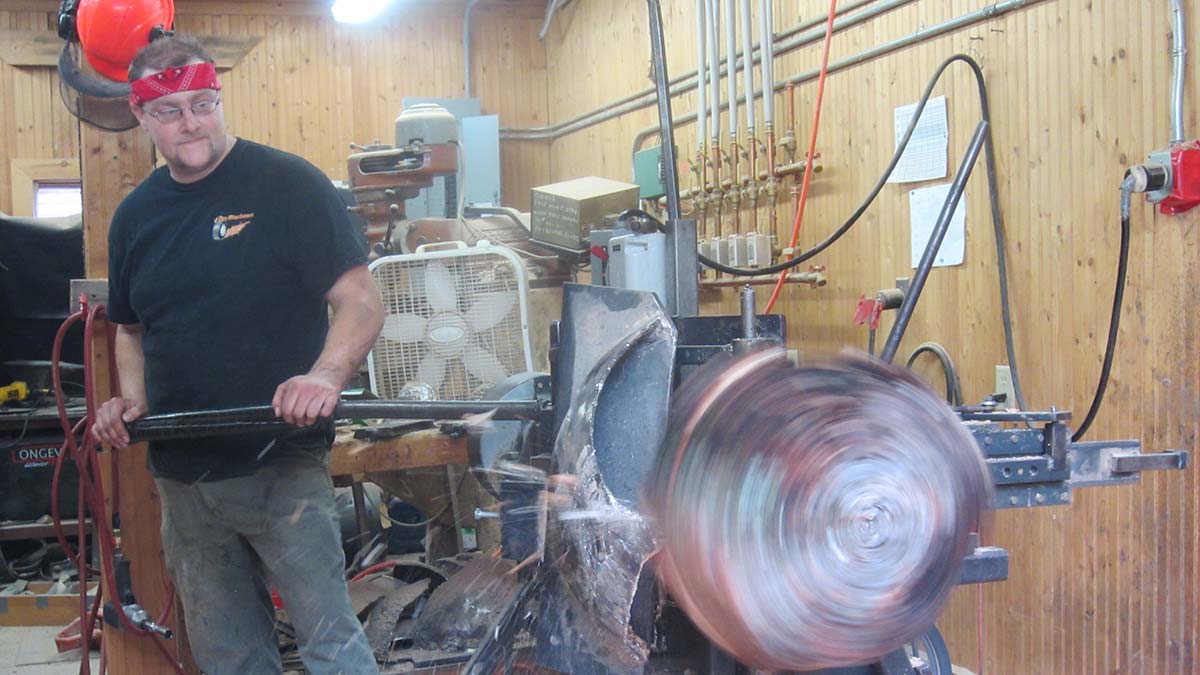
Woodturners then spend time with each ambrosia maple blank. Grain direction matters. The goal is to decide how the streaks and galleries will move through the finished piece. Sometimes the markings wrap around the rim of a bowl. Other times they’re allowed to run straight across the face of a cutting board.
Blanks with especially bold striping or curl often become larger statement bowls. Pieces with more subtle patterning are usually set aside for everyday boards and smaller serving pieces.
Is Ambrosia Maple Food Safe for Bowls, Boards, and Butcher Block?
Yes. Ambrosia maple is food safe when it’s properly dried and finished for kitchen use.
At Spencer Peterman, ambrosia maple bowls and boards are kiln dried as part of the production process. The goal is to bring the moisture content down and make sure there’s nothing living in the wood. No active insects. No active fungi.
After that, each piece is finished with a food-safe finish that protects the surface and brings out the natural staining in the grain. Those streaks aren’t a sign of something “still happening.” They’re simply the visual record of where the ambrosia beetle carried fungus in the past.
People also worry about the tiny holes you sometimes see in wormy maple. That’s a fair question. In practice, those pin holes are shallow and they’re sealed by the finish. They’re no more of a problem than the natural pores you see in other hardwood kitchenware, as long as you follow normal cleaning and care.
One important note: we don’t use punky or structurally compromised ambrosia lumber for food-contact pieces. Only sound, stable wood makes it into bowls, boards, and butcher block.
How to Care for Ambrosia Maple Bowls and Boards
Caring for ambrosia maple isn’t complicated. Treat it like any good wooden bowl or board.
Hand wash with mild soap and water. Dry it right away with a towel. Don’t soak it, and don’t put it in the dishwasher. Too much water and high heat can stress the grain and wear down the finish faster than it needs to.
Spencer Peterman finishes bowls and boards with a food-safe finish, and a little regular conditioning helps keep that protection in place. Mineral oil works well. The shop’s Boards and Bowl Conditioner works, too. About once a month is a good rhythm, or simply whenever the surface starts to look dry.
That small habit goes a long way. It helps prevent staining. It also keeps the ambrosia streaks looking rich and defined as the wood ages and picks up a gentle patina. Each piece will change a little with use. That’s normal. It’s part of what makes the wood feel alive in the kitchen.
Why Choose Ambrosia Maple for Your Home?
Ambrosia maple brings real variation into a kitchen. The streaks and small holes aren’t decoration. They’re part of how the wood formed, when a beetle moved through the sapwood and fungus left its stain behind.
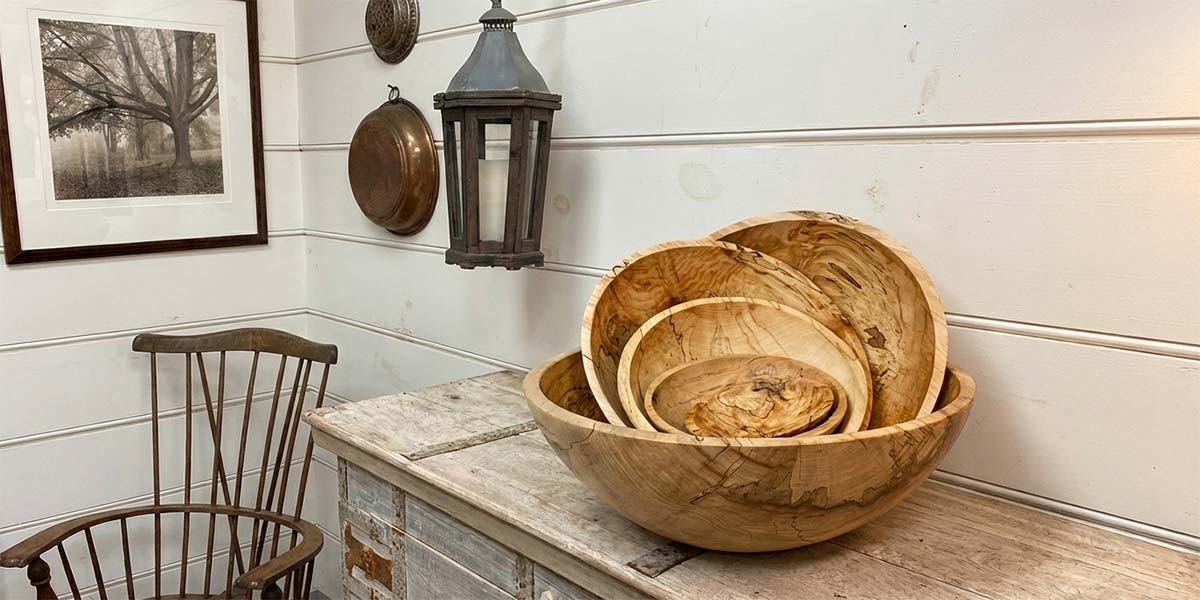
That’s why no two pieces match. Even two boards cut from the same log can show different coloration and grain pattern. A bowl might have one long streak that wraps around the rim. Another might carry a handful of small marks that only show up once the finish goes on.
If you’re choosing a piece as a gift or an heirloom, that uniqueness matters. You’re not buying something that can be copied by the thousand. You’re buying one specific piece of wood, shaped by hand into something useful. A bowl you’ll actually use. A board that earns its place on the counter.
At Spencer Peterman, that’s the point. Ambrosia maple lets the full history of the tree show up in the finished piece, without turning it into a novelty. It stays practical. It just happens to be beautiful, too.